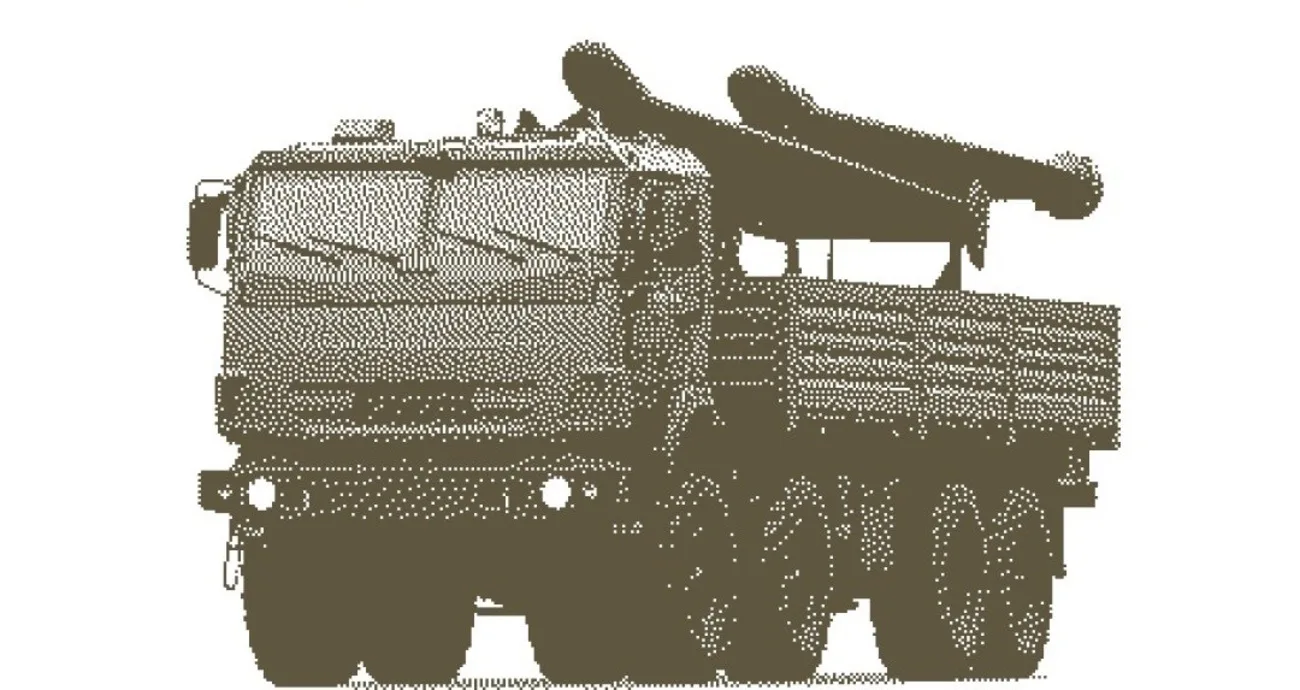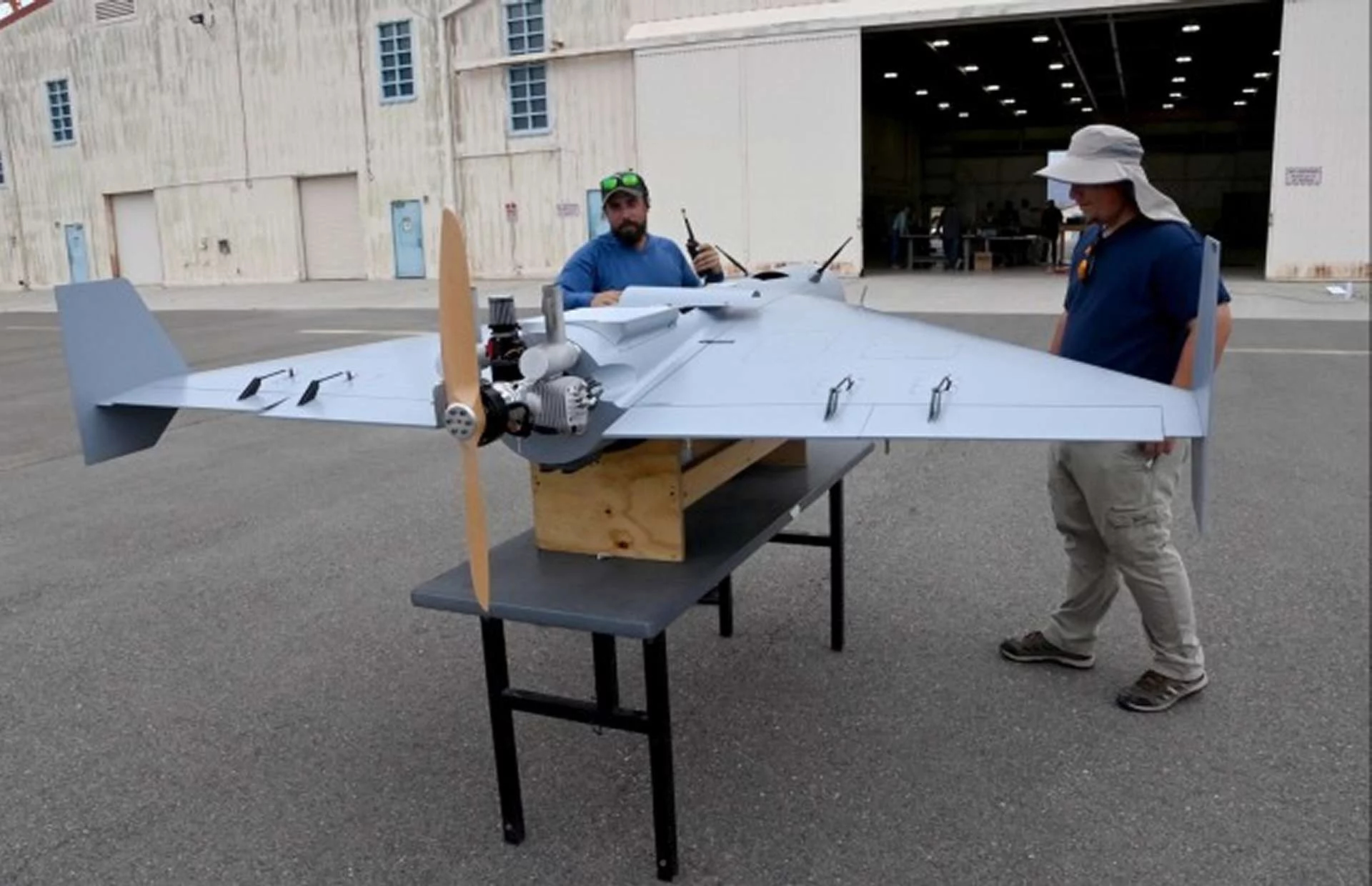
At the Yuma Proving Ground in Arizona, testing has begun of the LUCAS strike drone, developed on contract for the U.S. Marine Corps. The project is designed for serial production and use as a cheaper alternative to the Shahed-136.
Technical characteristics
LUCAS has a delta-shaped wing and a propeller engine and can remain airborne for up to six hours. The platform is designed with a modular payload, allowing equipment to be changed depending on the mission — warheads, reconnaissance sensors, or electronic warfare systems. The drone connects to a network through which the aircraft exchange target data, coordinate joint swarm attacks, and perform communications relay functions.
Advantages and production
The main advantage of LUCAS is its low cost, which allows it to be used instead of more expensive missiles. The system is intended to be launched en masse from trucks to strike air-defense systems, vehicles, and depots. Unlike the Shahed, LUCAS was developed from the outset with scalability in mind so that multiple manufacturers could produce it in large volumes.
Separately from the project mentioned, China recently tested a similar platform with a reported range of about 1,600 km and endurance of up to nine hours; Chinese armed forces have also integrated the DeepSeek artificial intelligence into some types of equipment.