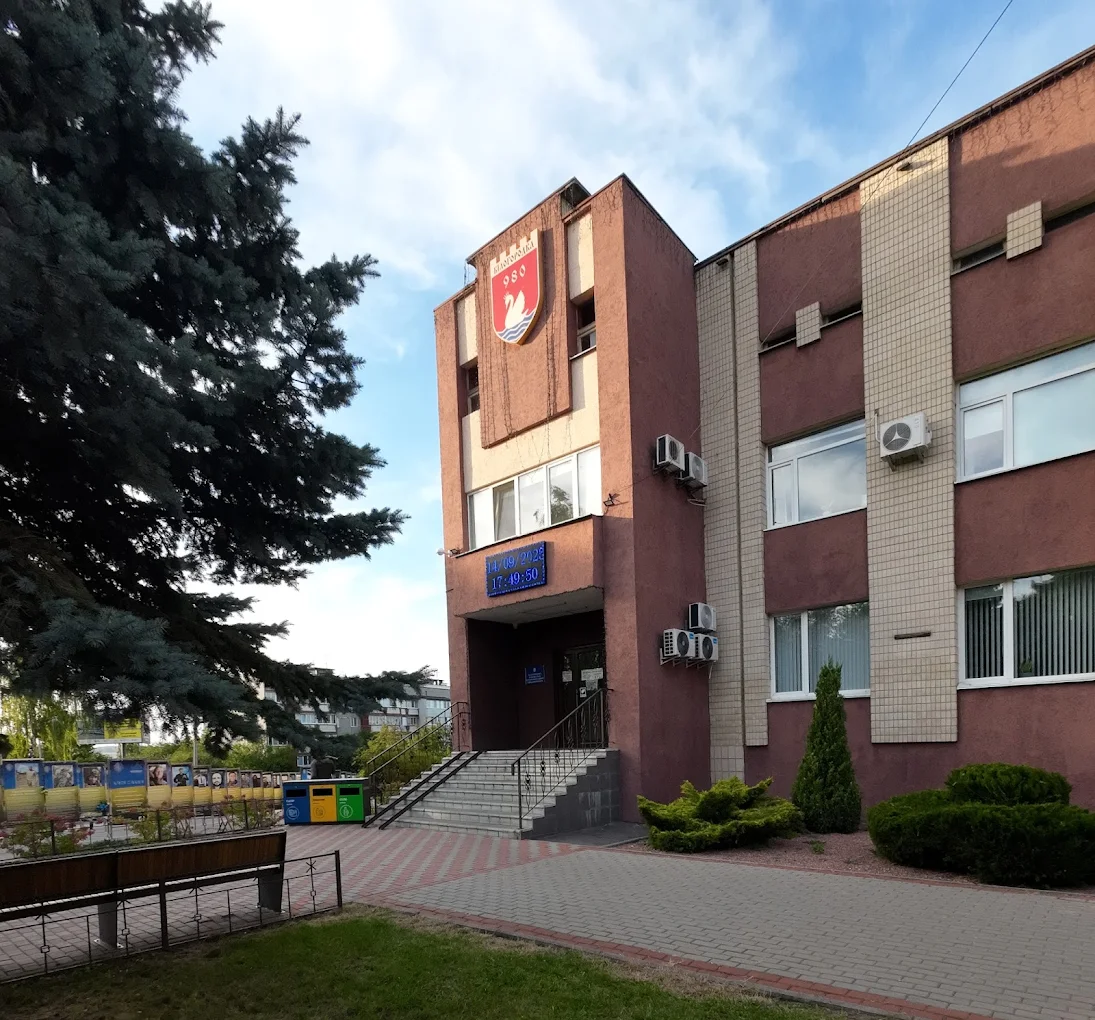
The construction of a veterans' space in Bucha is not a local community project. The city became one of seven pilot sites of the nationwide program of the Ministry of Veterans, alongside Kryvyi Rih, Lutsk, Zhytomyr, Uzhhorod, Kremenchuk, and Ivano-Frankivsk. In other words, Bucha is a kind of test case: if it succeeds here, the model will be replicated across the entire country.
What is being built and for whom
The center will have two functional blocks: physical rehabilitation and psychological support, social assistance, training and employment. Coworking spaces and rooms for individual work are planned. The idea is to create a space for veterans and female veterans and their families from throughout Kyiv region, not just Bucha residents.
Funding is three-channel: state subvention, regional and local budgets. The government established a mandatory condition: the local budget covers at least 40% of construction costs. For the Bucha community, which experienced occupation and is still restoring its infrastructure, this is not a symbolic contribution.
Symbolic place, real problem
The choice of Bucha is symbolically understandable — the city became one of the synonyms for Russian brutality in this war. However, as analysts note, the geography of construction still lacks public justification from the Ministry of Veterans. There is no procedure for selecting communities and rating assessments of needs. In fact, two criteria are at work: the availability of a land plot and willingness to co-finance — meaning those who can afford it win, not those who need it most.
"Over 150 veterans' spaces already operate in Ukraine. Their support and standardization would have a greater effect for specific individuals."
Analysts on the Ministry of Veterans program
Scale and money
For seven pilot facilities in 2025, the state allocated 450 million hryvnias. In 2026, the budget increases to almost 1.1 billion hryvnias — with plans to launch 15 to 20 new spaces, as announced by Minister Natalia Kalmykova. Meanwhile, the Cabinet of Ministers approved subventions for the following year that will allow scaling the model to all regions.
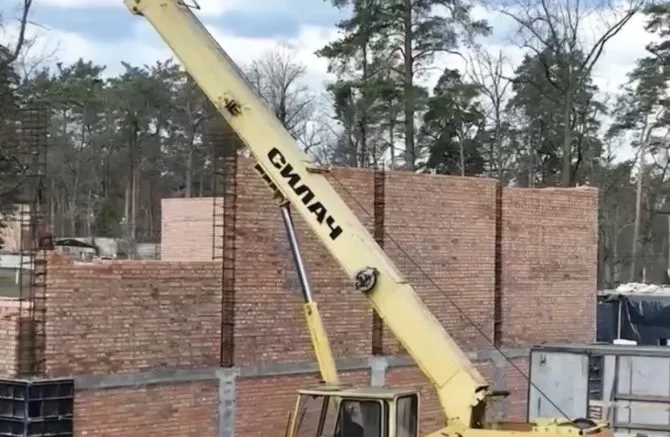
In Bucha itself, construction on Kyievo-Myrodetska Street was accompanied by legal disputes: the Kyiv Commercial Court ordered contractor LLC "BK-Budgrup" to return 1.47 million hryvnias that were illegally included in contracts as VAT — contrary to the Tax Code provisions.
What's next
The Ministry of Veterans is building a centralized model: a standard architectural project, unified standards, central control. The advantage is predictable quality. The risk is that the network will develop where there is money and land, rather than where there is the largest concentration of veterans without access to rehabilitation.
If by the end of 2025 the seven pilot spaces truly open and operate — the program will have an argument for scaling. If not, or if they remain half-empty due to lack of specialists, the question of the expediency of new construction instead of supporting the existing 150+ centers will become uncomfortable for the Ministry.