About the transfer
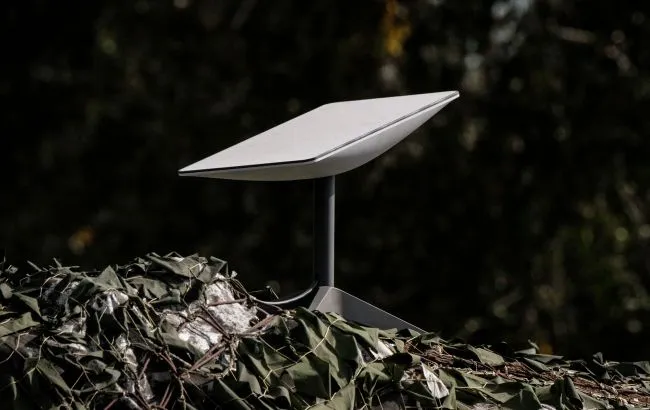
The Bucha community handed over satellite modems Starlink to the military, which were received by fighters of the 116th Separate Mechanized Brigade. This was reported by the Telegram channel of the Bucha City Council. The equipment is intended to provide stable communications in field conditions — a key element in carrying out combat missions.
"The Bucha community continues to support Ukrainian defenders who are carrying out combat missions on the front line. This time the assistance went to the fighters of the 116th Separate Mechanized Brigade."
— Telegram channel of the Bucha City Council
Why this matters
Stable communications in the field are not about comfort, but about effectiveness and safety. Satellite modems allow maintaining the exchange of data where terrestrial networks or radio communications are unreliable or absent. For units, this means faster decision-making, more precise fire coordination, and rapid sharing of intelligence.
Implications for operations
Some practical effects of having Starlink at a unit's disposal:
- faster transmission of intelligence and fire correction;
- stable channels for command and control during maneuvers;
- increased survivability of communications in case of attacks on infrastructure;
- moral and practical support from the community — a signal that the home front is working on behalf of the front lines.
Context and conclusion
The local initiative to transfer equipment to the military is part of a broader practice: the public, volunteers, and local authorities supplement logistical chains that sometimes cannot respond centrally. This is a temporary but critically important solution for responsiveness on the ground.
Looking ahead: will it be possible to turn ad hoc transfers into systematic support with equipment and maintenance? The answer will determine how quickly such local initiatives transform into a long-term contribution to defense capability.