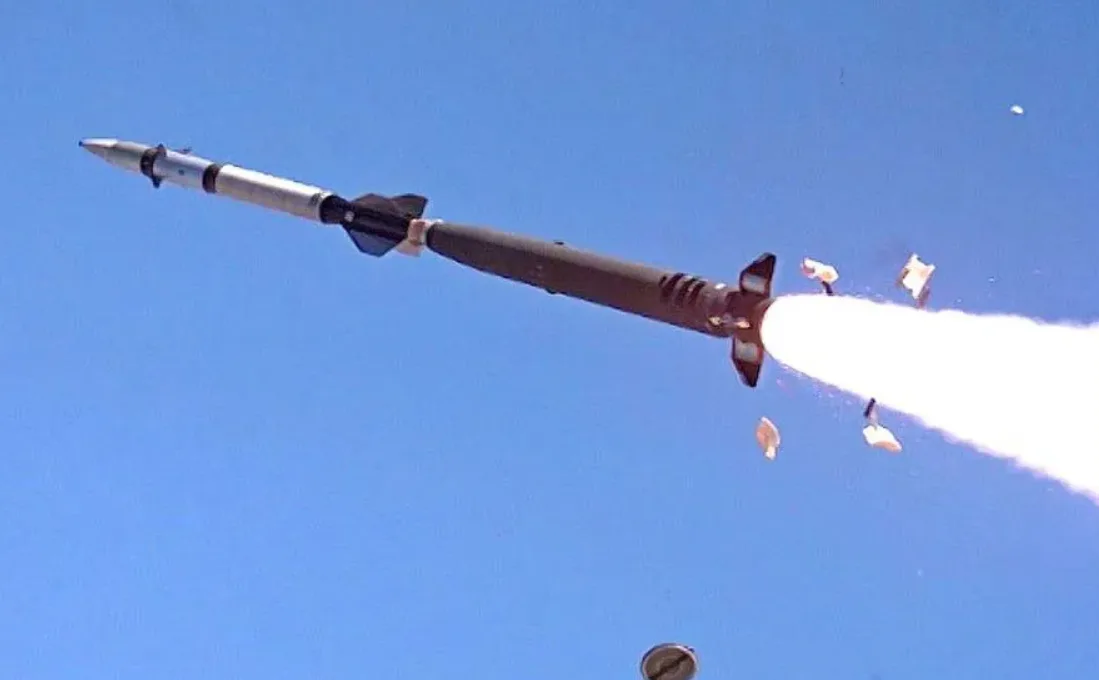
Imagine an engineer who has spent three years straight repairing equipment under fire, replacing components from sanctions lists with whatever is at hand, and cutting production cycles because every extra day costs lives. Now imagine that this engineer gained access to documentation for an American missile system worth four million dollars per unit. This is exactly the picture behind Washington's refusal to grant Ukraine a license to produce Patriot — and the reason for the refusal is far more pragmatic than "technology security."
An American official quoted by The Atlantic put it bluntly: officially, Raytheon and Lockheed will talk about protecting intellectual property, but the real fear is different — Ukrainians will find ways to improve Patriot and produce it in greater volumes, faster, and for far less money than existing U.S. production lines allow.
Conflict of Interests Under the Guise of Security
This is not a hypothetical scenario. Ukraine has already taken this path with another class of weapons — drones. Three or four years ago, the country imported most strike unmanned vehicles or assembled them from foreign components. Today, over 80% of losses in the war are caused by drones, and Ukraine manufactures the lion's share of this weaponry itself, often cheaper and more effective than foreign analogues.
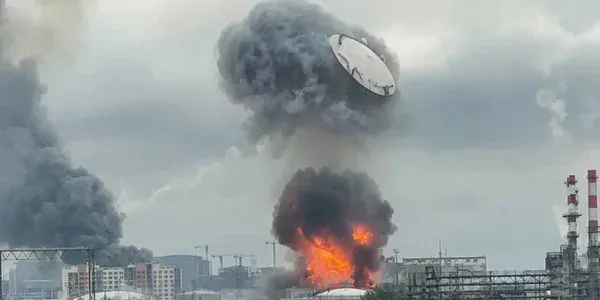
The FP-1 from Fire Point reached the Omsk refinery at a distance of over 2,500 kilometers in a straight line — and Russia is still searching for alternative explanations because it is not ready to admit that Ukrainian engineering can achieve such range without foreign technology. This is not an isolated case: attacks on the oil refining industry have reduced Russia's oil processing volumes to the lowest level in 21 years.
"If any country in Europe has the incentive and experience to become a key node in America's military supply chain, it is Ukraine," writes Michael Weiss in The Atlantic.
Market, Not Charity
A telling example is Florida-based company Powerus, which develops drones and among whose investors are Eric Trump and Donald Trump Jr. The company is seeking Ukrainian equipment and licenses not for ideological reasons, but because Ukrainian solutions work and cost less. This is no longer aid in the "donor-recipient" format — this is commercial interest in a product that has proven effective in combat conditions.
This is precisely where Washington faces a dilemma: supporting Ukraine as a partner means acknowledging that part of the American defense market could shift to Ukrainian manufacturers. Refusing means losing access to technologies and experience that cannot be replicated in laboratory conditions, without real war as a testing ground.
What This Means in Practice
- Ukrainian companies gain a market argument that did not exist two years ago: not "give us weapons," but "buy our solution, it's cheaper and faster."
- Licensing refusals like the Patriot situation may become the norm — until American manufacturers find a way to integrate Ukrainian improvements without losing control of production lines.
- The drone industry, where Ukraine already leads, becomes a model for other weapons classes — from electronic warfare systems to ground roboticized systems.
The question now is not whether Ukraine needs Western weapons — but whether the West is ready to acknowledge that some contracts will have to go to a country that recently was considered only an aid recipient. If Raytheon and Lockheed continue to block licenses on competitive grounds rather than security grounds, Ukraine's next step will not be a request, but its own proposal on the global arms market.