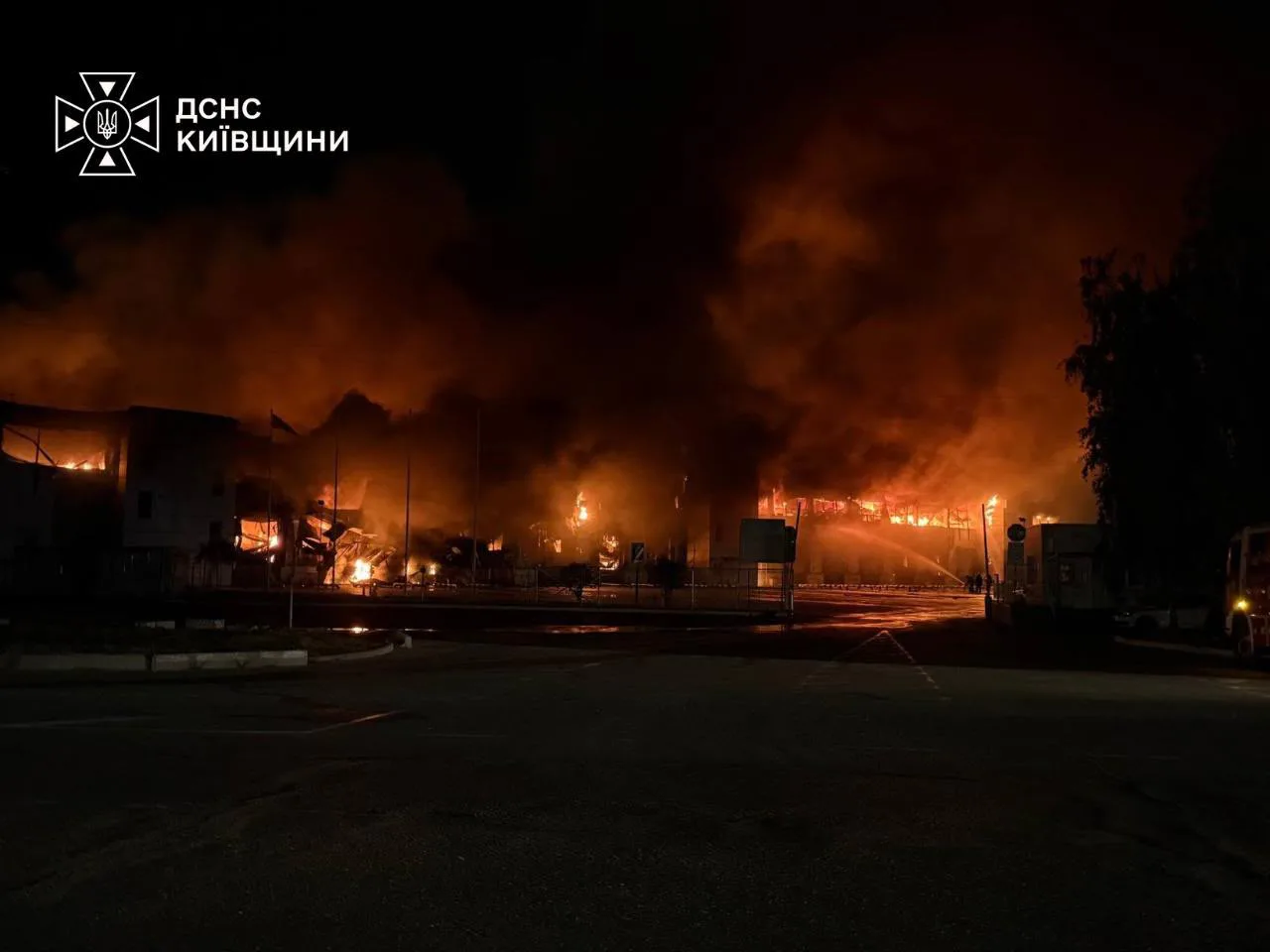
Massive air attacks and prolonged air raid sirens in Ukraine could continue for weeks more — this is linked to both Russia's resources and its domestic political calendar. Political scientist and international relations expert Stanislav Zelikhovskyi shared his assessment of the situation with UNN journalists.
Resource base: reserves, production, imports
According to the expert's assessment, it is premature to speak of a swift end to the current wave of attacks — Russia is simultaneously relying on accumulated reserves, continuing to produce missiles and drones, and receiving weapons from abroad.
I think that in the coming days, possibly weeks, the Russian Federation will be able to do this, since it is not ruled out that they have accumulated a certain amount of ammunition, missiles, drones and so on. I do not rule out that this could last until the so-called parliamentary "elections" in Russia
Apart from the reserves they have, there is still missile and drone production and other capabilities. Russia imports weapons, imports the same ballistic missiles. We can mention North Korea here
Periods of relative calm are possible — for example, if certain types of drones or missiles temporarily run short. However, according to Zelikhovskyi, the available options are currently sufficient to continue strikes, especially since Russia is preparing for the autumn-winter period.
Psychological and territorial calculation
Apart from purely military objectives, the strikes have a distinct psychological dimension — pressure on Ukraine's readiness for negotiations.
Putin wants to break Ukrainians, force them to agree to the ceasefire conditions we all know about, including territorial aspects. It is clear that for him it is important to gain control over entire Donetsk and Luhansk regions
The consequences of the attacks are not only human casualties, but also economic damage to business, energy infrastructure and life support systems. Zelikhovskyi emphasizes the need to strengthen protection against such strikes, as the damage accumulates on both sides — both in security and material terms.
The "elections" to the State Duma factor
A separate issue is the Kremlin's possible interest in Ukraine responding with massive strikes on major Russian cities on the eve of State Duma elections.
Putin, I think, would like Ukrainians to strike back, especially if we are talking about major Russian cities like Moscow, St. Petersburg. In this way he wants to demonstrate to his citizens: look, Ukrainians are getting angry with us, they are killing and destroying
The logic is simple: increased support for the ruling party would mean a mandate for harsher actions against Ukraine, including new mobilization measures.
Support for "United Russia" would mean that citizens are voting for tougher action against Ukraine. In fact, the elections would become a kind of referendum — do Russians support the war or not
What's next
The number of attacks may vary depending on available resources, but the regularity of air raid sirens, according to the expert's assessment, will persist — especially for Kyiv and the capital region.
Not a day will pass without an alert, at least in Kyiv and some other cities. This could last at least until the State Duma "elections," and after that we will see from the situation what Putin will want to do
The benchmark that Zelikhovskyi points to is September 20, the date of State Duma "elections." If the forecast proves accurate, the key question will not be whether the intensity of attacks will decrease after this date, but whether the Kremlin will have new domestic political incentives for escalation or, conversely, for pauses after the electoral cycle.