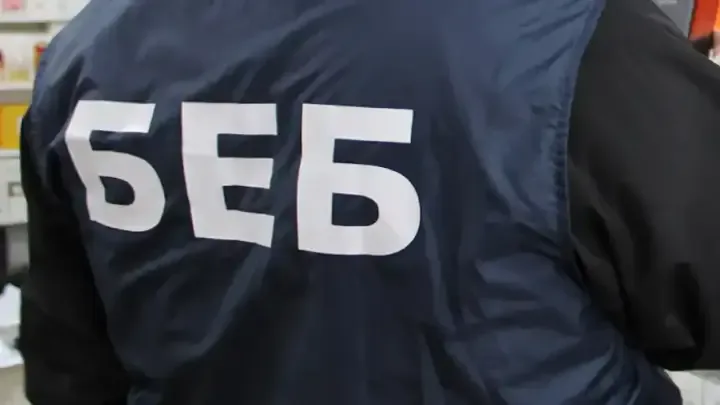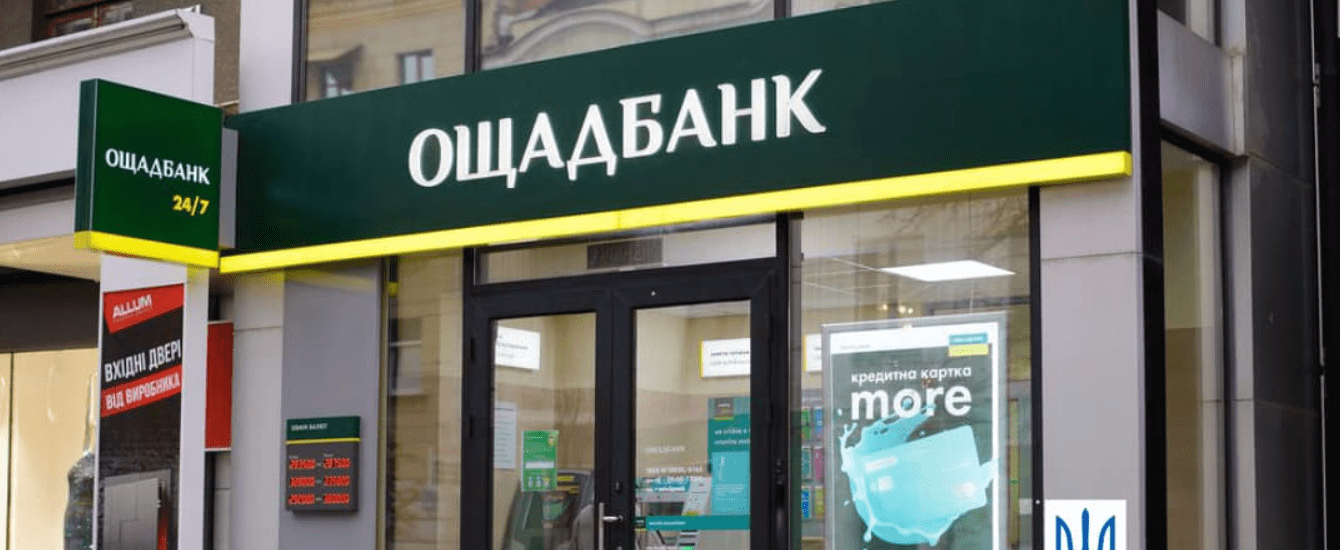
On March 5, 2026, Hungary's counterterrorism center (TEK) stopped two armored vehicles of Oschadbank on the M5 motorway. The convoy was transporting $40 million, €35 million, and 9 kg of gold — as part of a standard route between the Austrian branch of Raiffeisen Bank and Ukraine. Seven security guards were detained. Budapest called it a "security measure" and opened a money laundering case.
A few weeks later, when the opposition party "Tisza" led by Peter Magyar won a constitutional majority in parliamentary elections on April 12, the diplomatic context changed radically. President Zelensky stated that negotiations on the return of assets would be conducted with the new leadership. Now the money and valuables are in Ukraine.
What and how was returned
According to Zelensky, Hungary returned all Oschadbank funds and valuables — the amount corresponds to what was seized: $40 million, €35 million, and 9 kg of gold. The security guards were released earlier. The bank's armored vehicles were handed over to the Ukrainian side on March 12 — with damaged equipment, and some gold bars had disappeared by that time. Now, according to the president, "the money and valuables are already on the territory of Ukraine."
"An important step in relations with Hungary: today the funds and valuables of Oschadbank, which were seized by Hungarian special services in March this year, were returned."
President Volodymyr Zelensky
Why now and who benefits
The timeline is telling. The new Hungarian authorities effectively closed the case before Magyar's official appointment as prime minister — and before any court proceedings. Throughout April, Magyar publicly cautioned against haste, saying that society saw "only propaganda content" and that there were "more important matters" than Oschadbank. However, the return happened quickly.
For Magyar, this is a way to distance himself from Orbán's legacy and immediately establish a pro-European course — without formally acknowledging his predecessor's guilt. For Kyiv, it's a precedent: if the new Hungary returns assets without lengthy court battles, it signals a qualitatively different dynamic in relations after 15 years of Orbánism.
The context is broader. According to the National Bank of Ukraine, Ukrainian banks imported over $1.7 billion in cash currency in January-February 2026 alone. The security of cash transport routes through the EU is not a banking detail, but a matter of liquidity for the war economy. This is why the Foreign Ministry immediately prepared lawsuits, and Oschadbank suspended currency imports from the EU after the incident.
- March 5 — TEK stops the convoy on M5, security guards are arrested
- March 6 — seven security guards return to Ukraine, funds remain
- March 12 — armored vehicles returned, but without money and gold
- April 12 — Magyar's "Tisza" wins constitutional majority, Orbán admits defeat
- May 2026 — funds and valuables returned to Ukraine
What remained unanswered
No official statement on closing the criminal case that Orbán's authorities opened. No accountability for damage to the armored vehicles and missing gold bars. Financial analyst Andriy Shevchishin characterized the detention in March as political revenge rather than a legal procedure — and the return without a court verdict essentially confirms this.
If Magyar is truly building a "new Hungary" in relations with Ukraine, the next test will not be rhetoric, but specifics: whether the illegality of the March seizure will be officially recognized — and whether Oschadbank will receive compensation for damaged property and months of frozen assets.