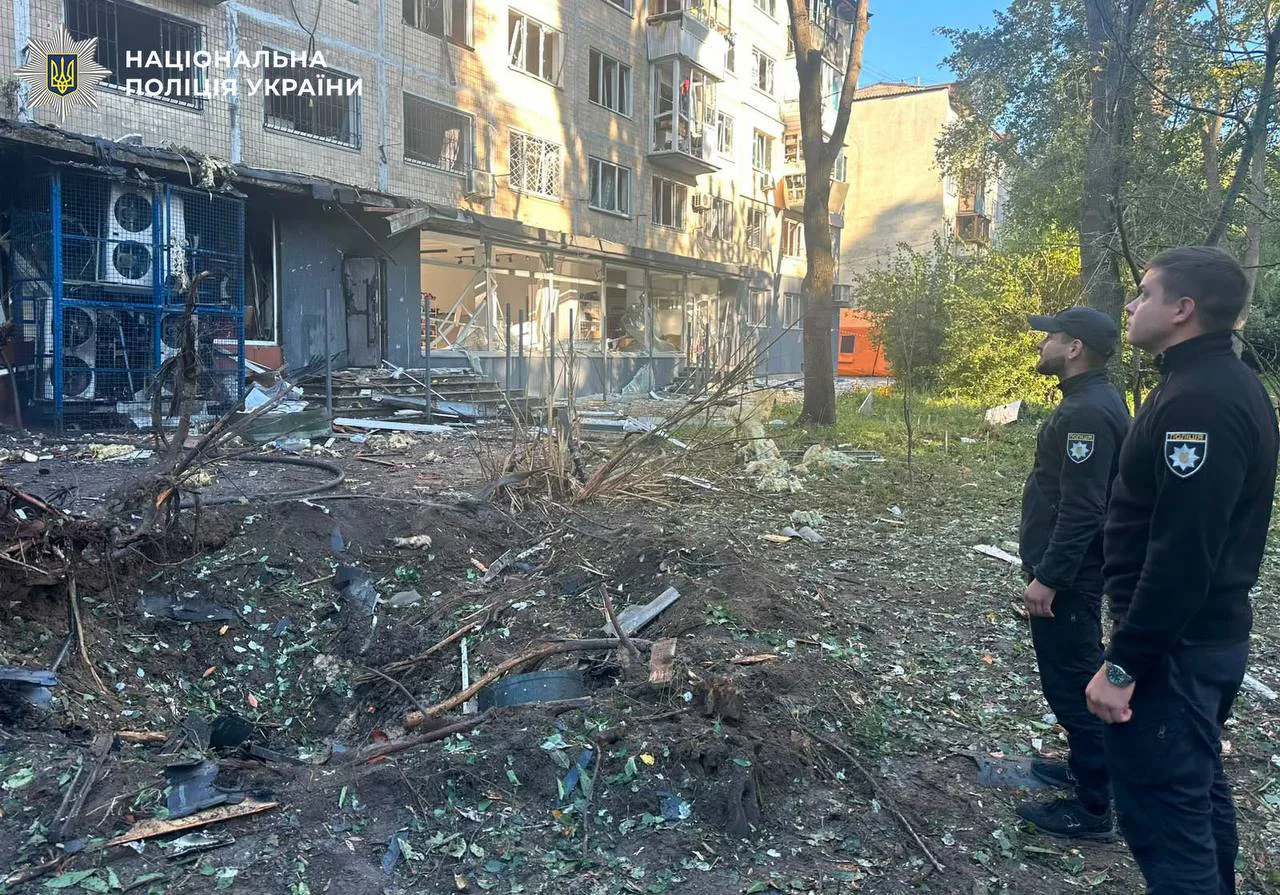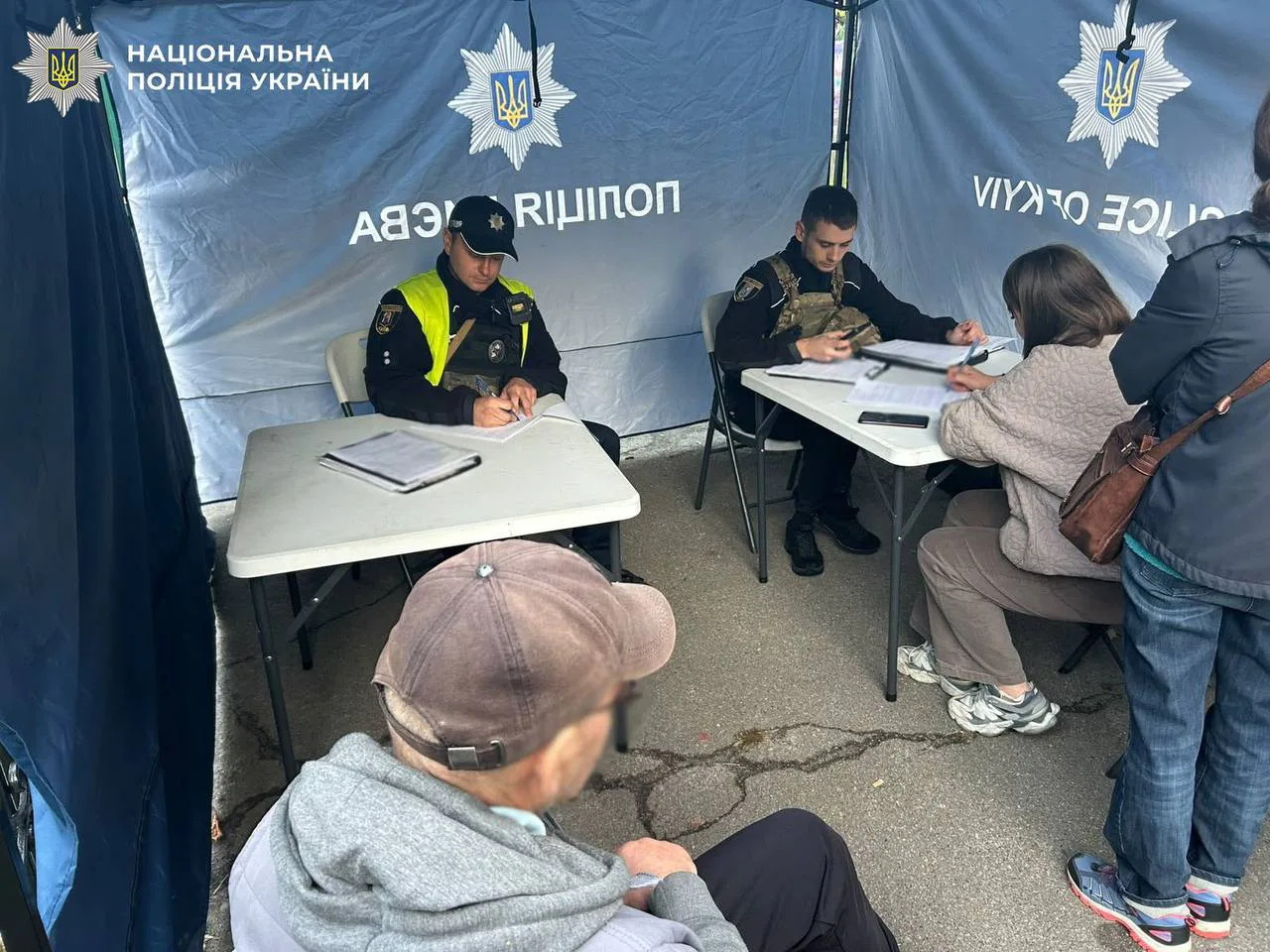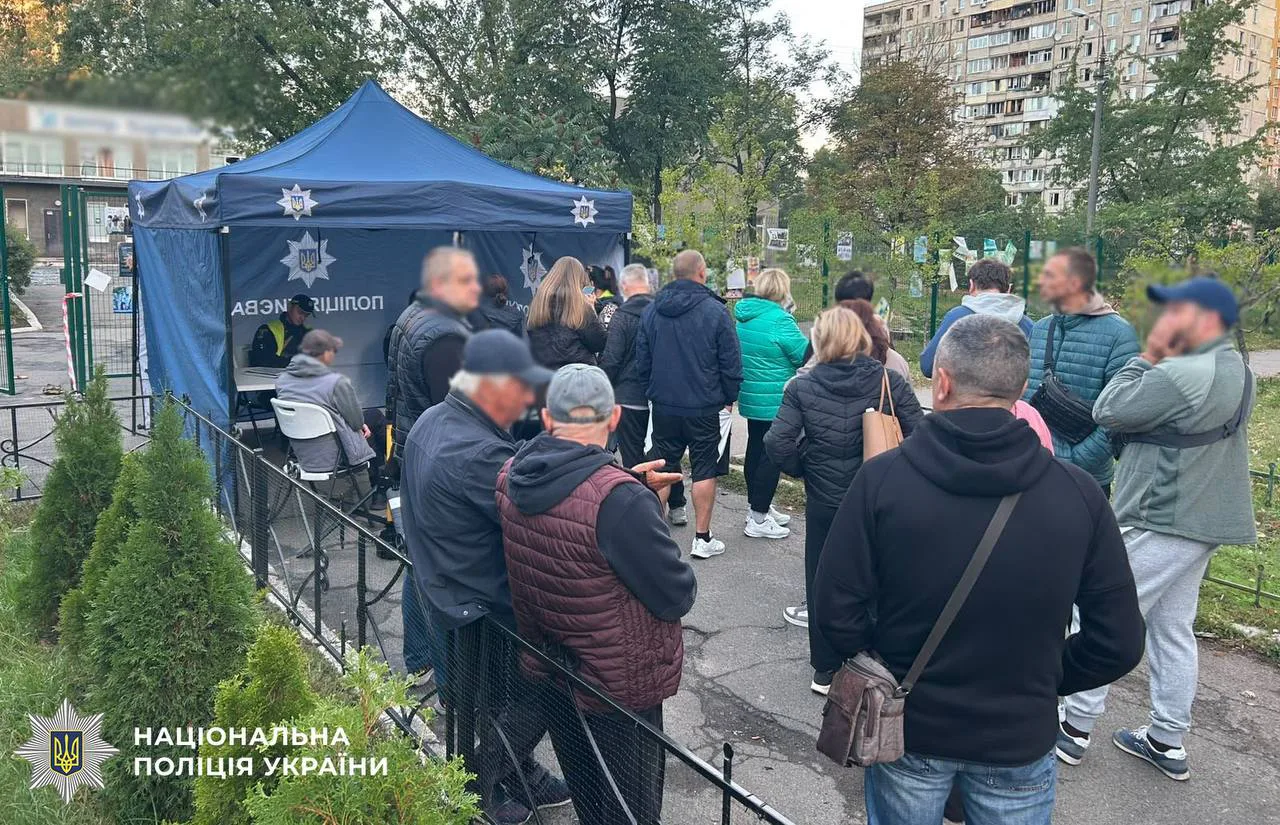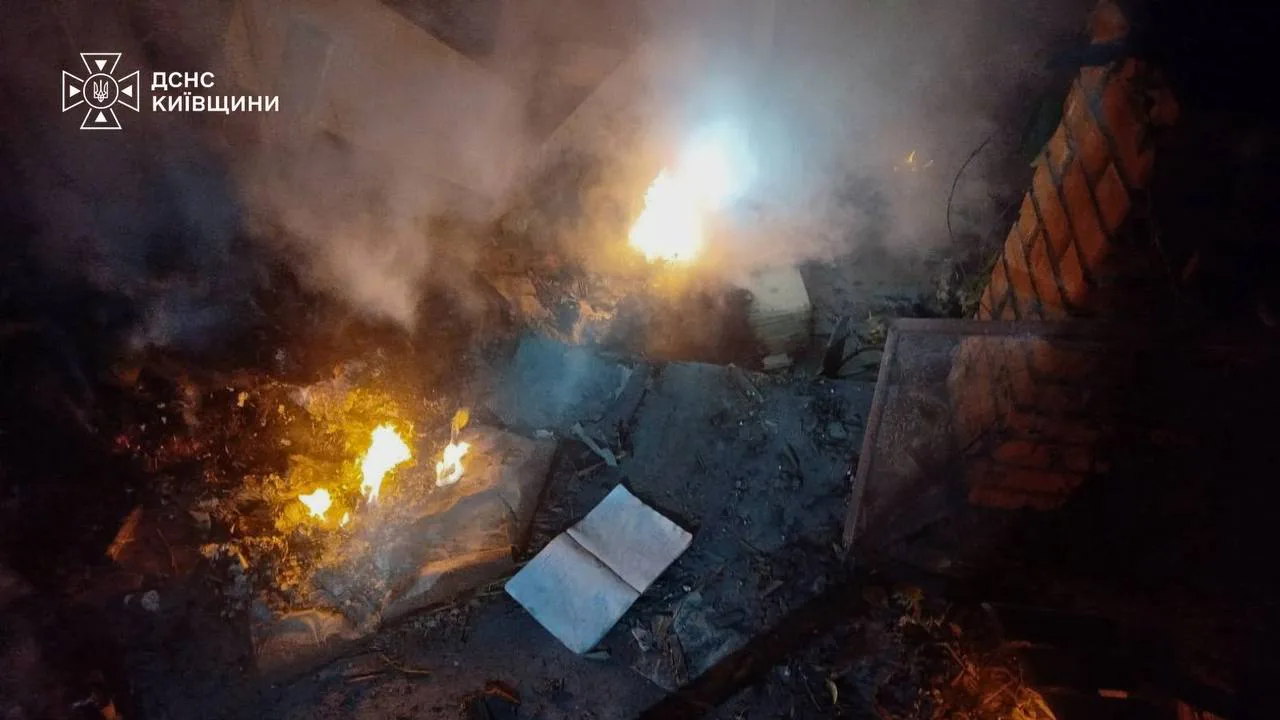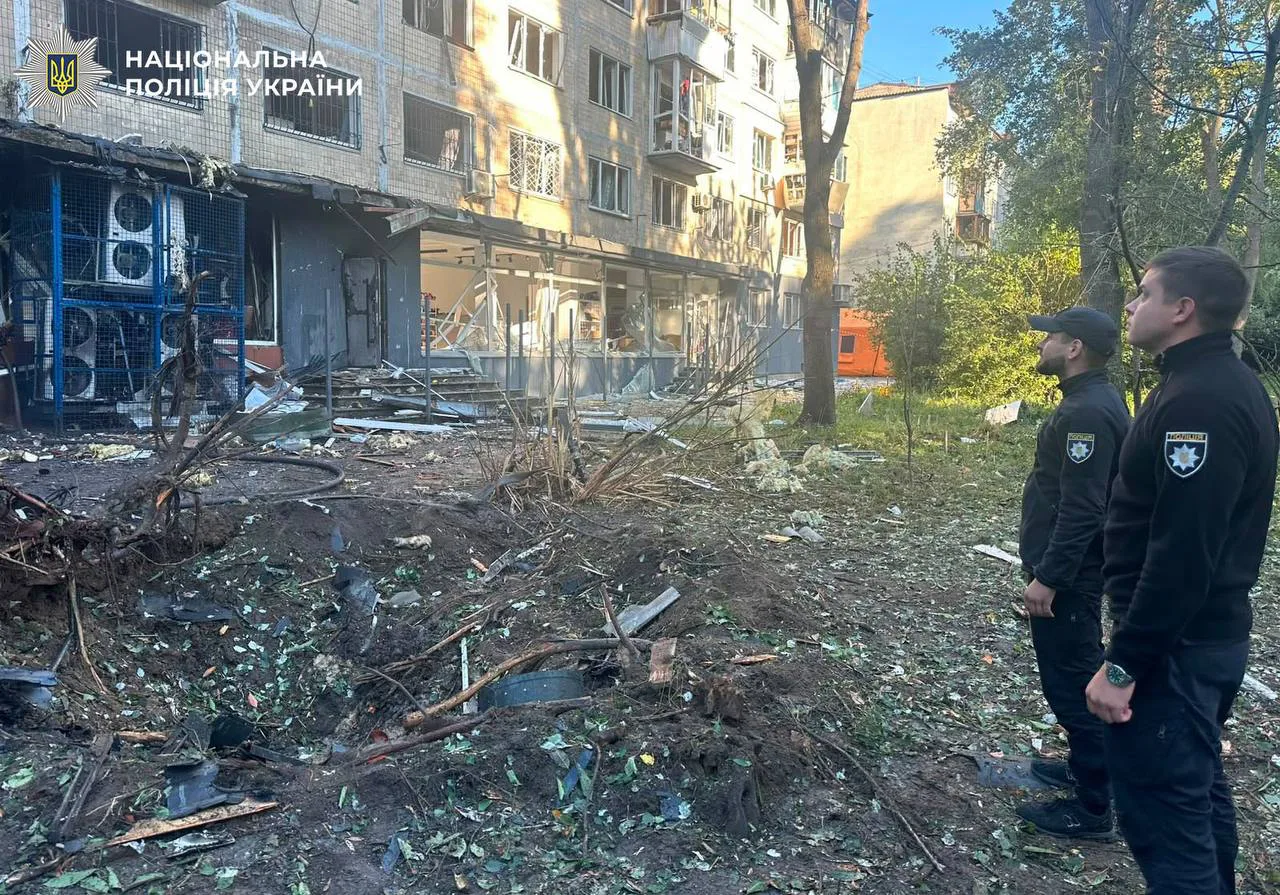
On the night of September 26, Russia attacked Kyiv with drones again, and while some rescuers were extinguishing the roof of an office building in the Solomyansky district, others were already climbing the floors of a residential building, searching for people under the rubble. According to Kyiv Mayor Vitali Klitschko and the State Emergency Service of Ukraine, five people were injured in Kyiv itself, and two more in the Kyiv region. The numbers are not yet final: search and rescue operations in one of the buildings in the Solomyansky district are still ongoing.
Geography of One Night
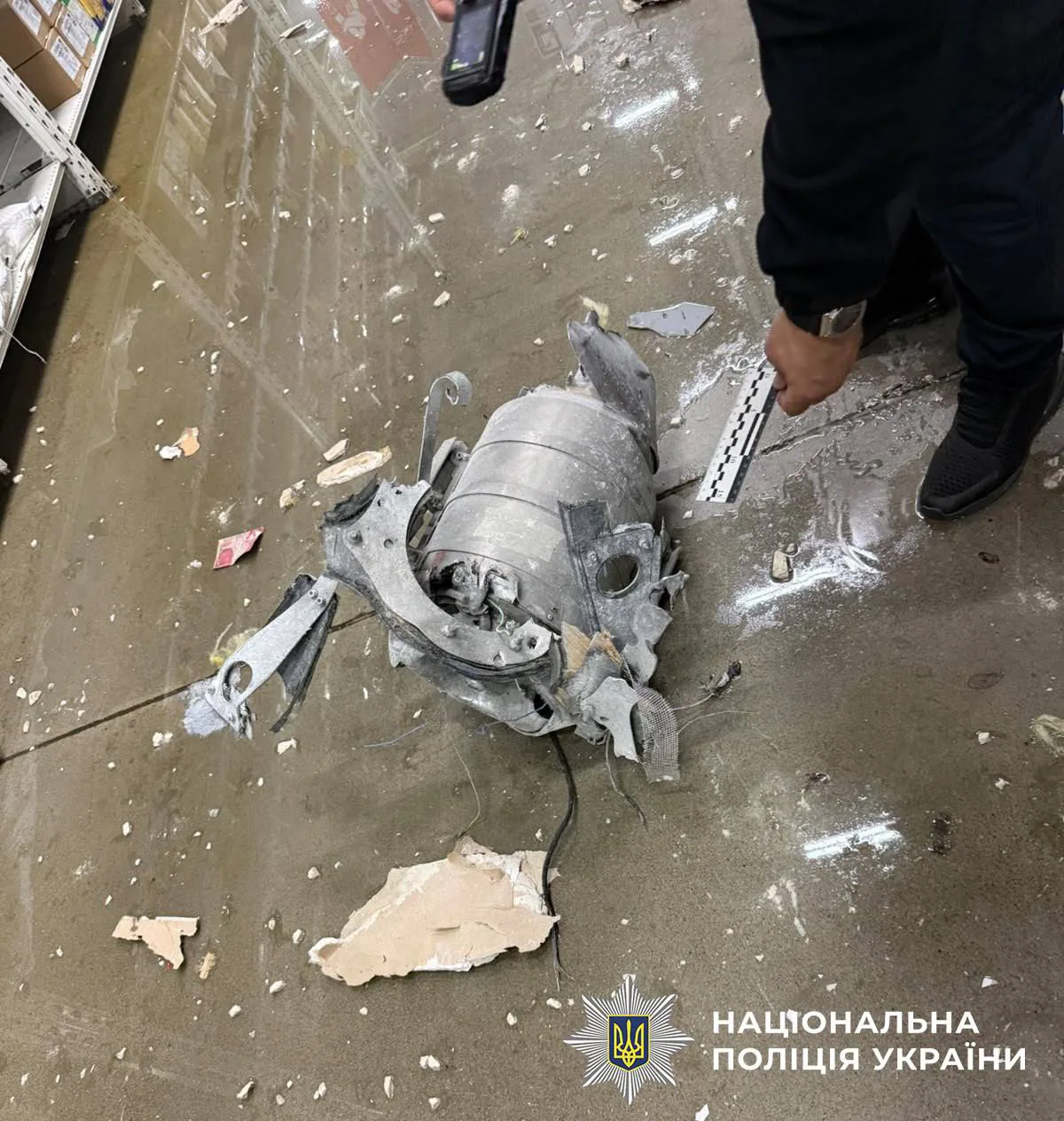
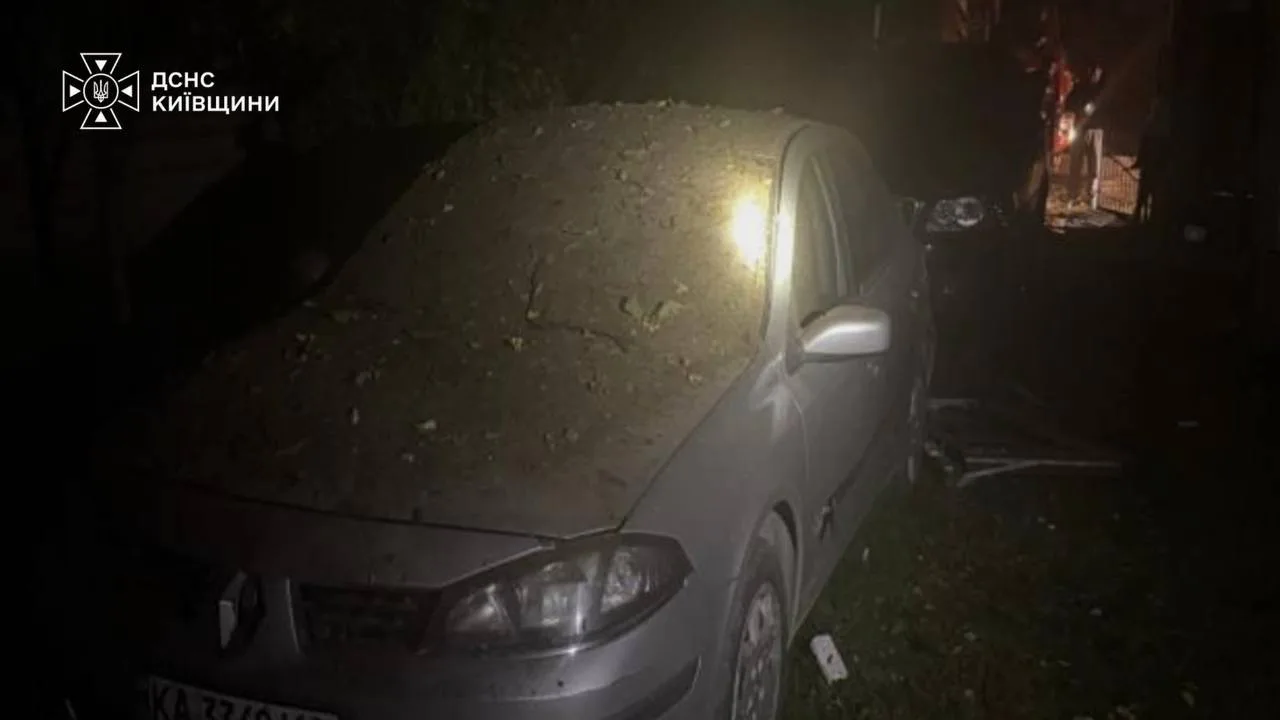
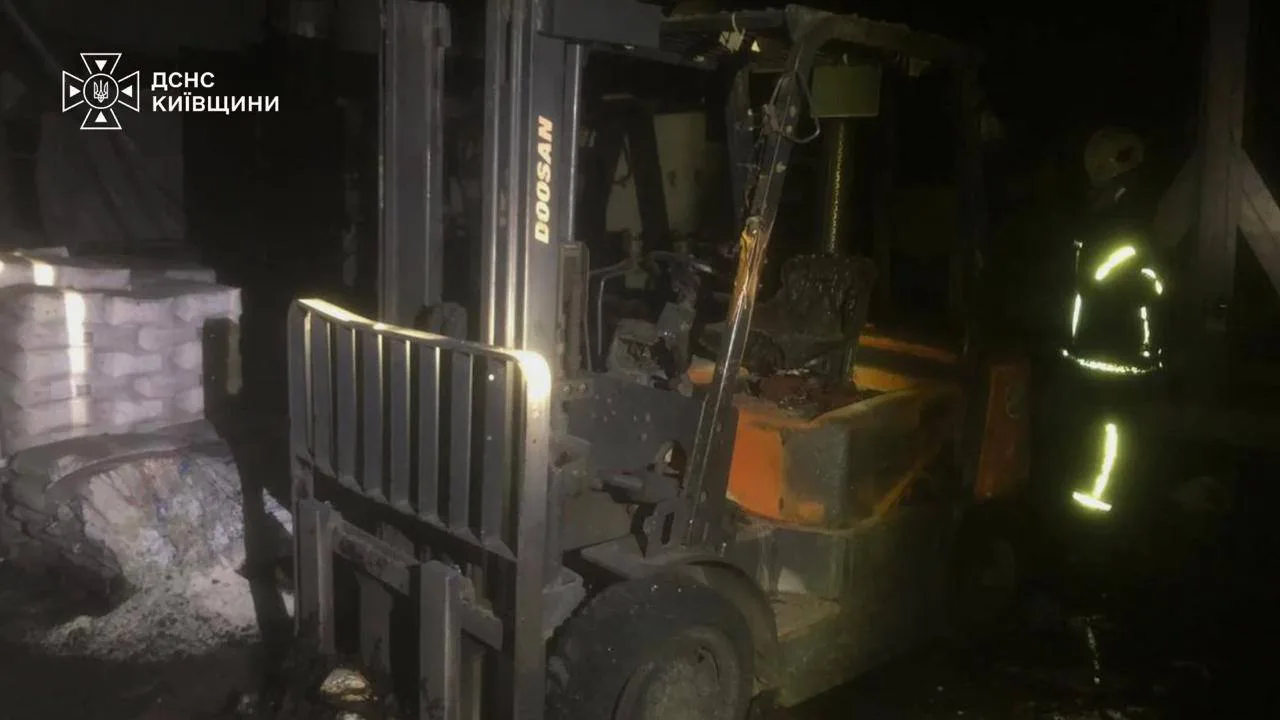
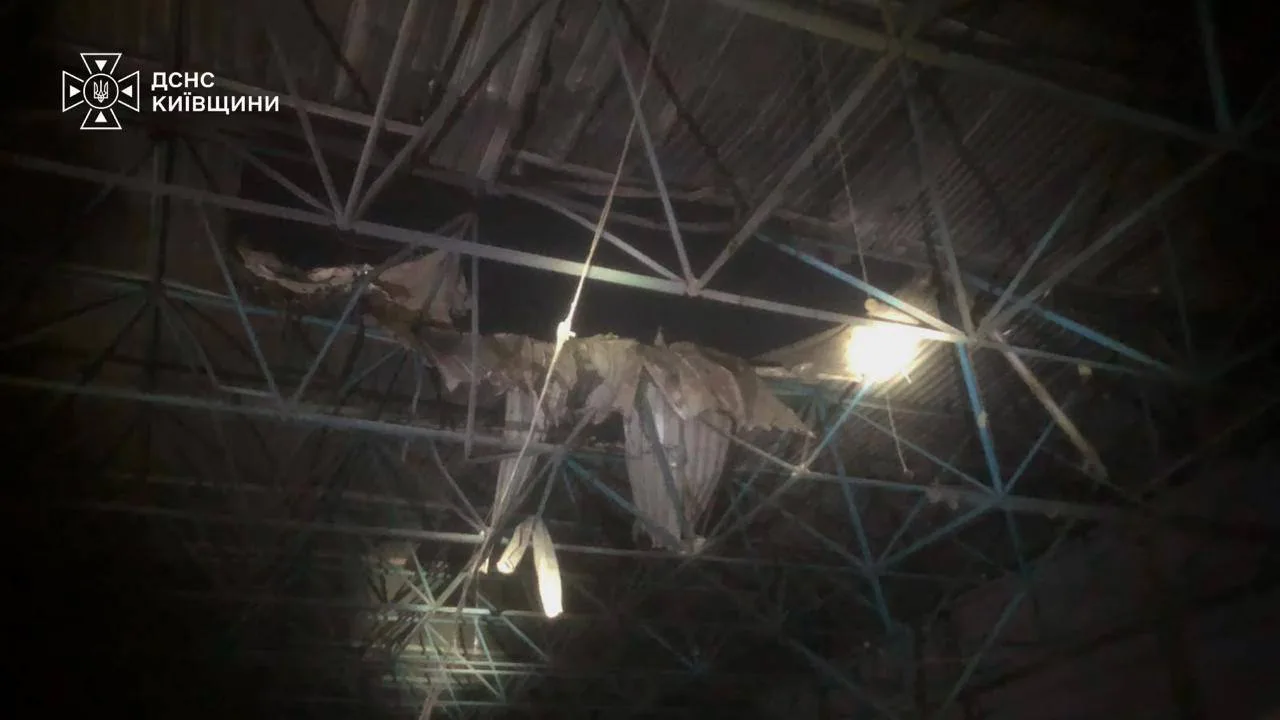
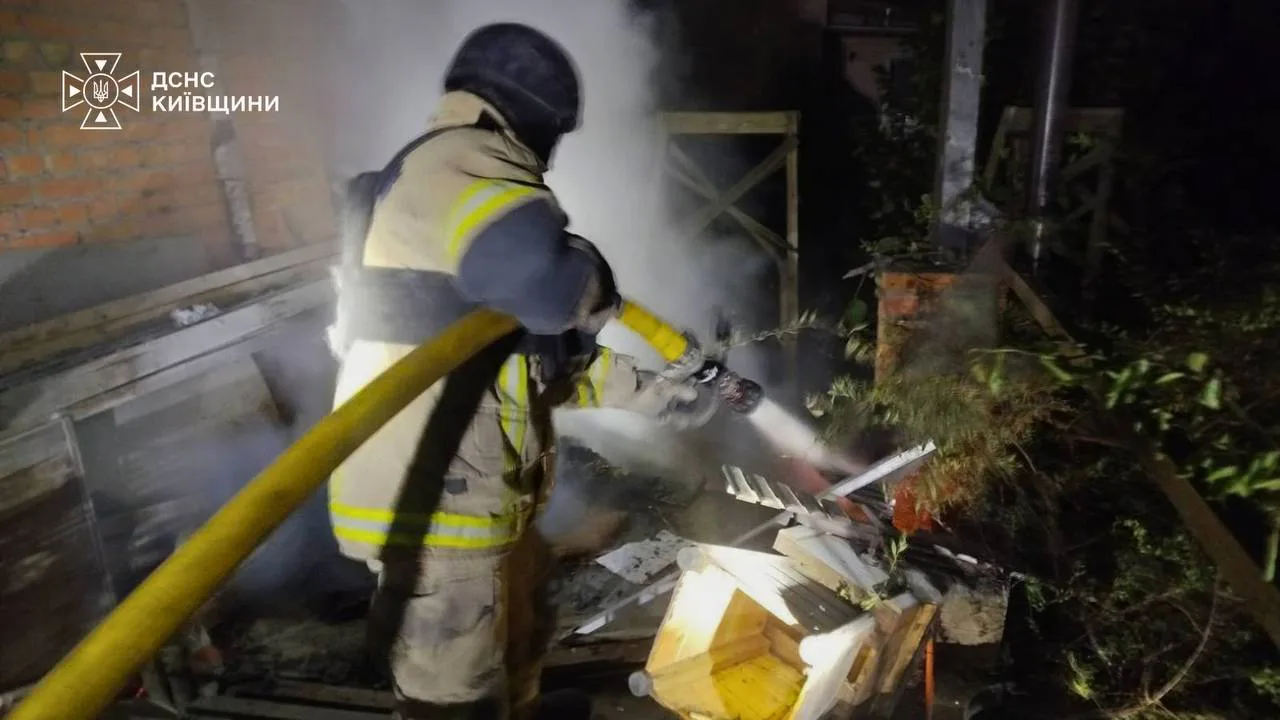
The attack affected four districts of the capital at once. In the Darnytsky district — a fire near warehouse buildings, in the Obolonsky district — debris near a residential building and one injured person after a drone fell on a non-residential structure. In the Solomyansky district — the most severe situation: a roof fire in an office building, followed by another drone crash with fire and smoke in another office building, and simultaneously — a search and rescue operation in a five-story building where four injured people were found. In the Sviatoshynsky district, a drone hit the territory of a shopping center, one of the stores was burned.
Currently, as a result of the enemy's attack on the capital on September 26, five people were injured. Medics provided them with ambulatory and on-site assistance — Klitschko reported on social media.
The Region is Also Under Fire
In the Kyiv region, according to the State Emergency Service, two people were injured — in the Boryspil district, where a warehouse building caught fire and one of the injured was hospitalized. In the Obukhiv district, a private house and two cars were damaged, in the Bucha district — another residential building.
The Practical Side: Why Response Speed Matters
The fact that none of the fires escalated into a large-scale fire, and there were only a few injured rather than dozens, is not a matter of chance but of logistics: DESNZ rescuers and local fire departments worked in parallel in several districts of the city and region simultaneously. But each such night is an exhaustion of the same resource: equipment, personnel, time to recover between calls. If the frequency of attacks continues at the current level, the question is no longer 'will rescuers cope,' but 'how many consecutive nights can the response system operate at its limit without failures.'