Brief
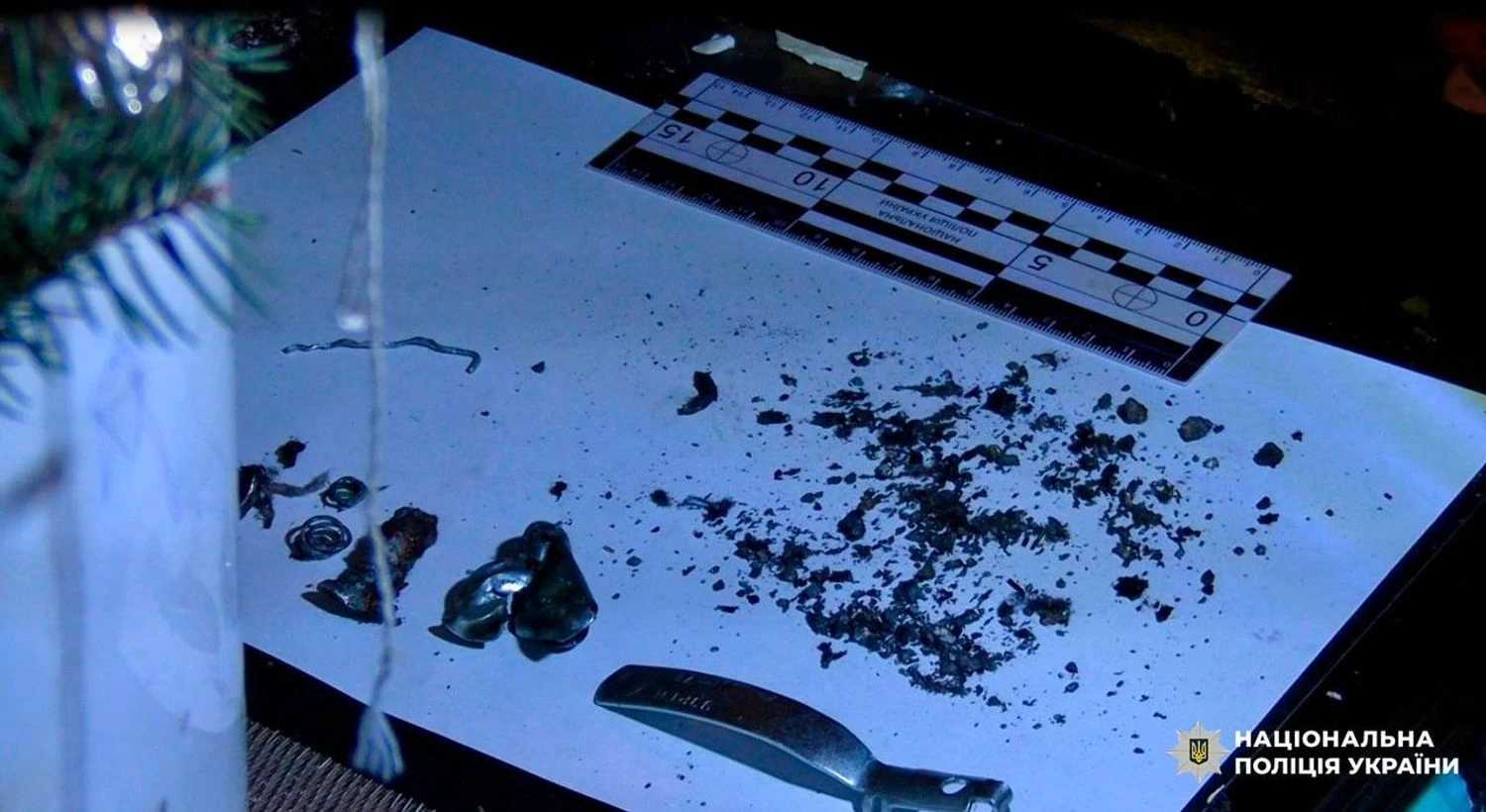
At around 02:00 in the Obolon district of Kyiv, during a gathering, a 29-year-old serviceman who is AWOL (absent without leave) detonated an F-1 grenade. As a result of the explosion the 45-year-old owner of the apartment was killed and two other people were wounded. The incident was reported by the Main Directorate of the National Police in Kyiv; the information was shared by the UNN news agency.
What happened
According to preliminary police data, seven people were in the apartment consuming alcoholic beverages. During a sudden conflict the suspect detonated a grenade in the kitchen. The apartment owner died at the scene; a 36-year-old guest was hospitalized with injuries, and the offender was detained — he has a shrapnel wound to his leg and is under the care of medical personnel and law enforcement officers.
"Preliminary findings indicate that a 29-year-old serviceman... during a sudden conflict detonated an F-1 grenade in the kitchen, as a result of which the 45-year-old apartment owner died at the scene."
— Main Directorate of the National Police in Kyiv (quote, police statement)
Legal qualification and course of the investigation
A criminal proceeding has been opened under paragraph 5 of Part 2 of Article 115 of the Criminal Code of Ukraine — intentional murder committed in a manner dangerous to the lives of many people. Investigators will establish how the munition ended up in the residence and whether other persons are involved. At present the suspect is detained and is under the supervision of doctors and law enforcement officers.
Why this matters
This incident has several dimensions that go beyond a single criminal case. First, the presence of ammunition in civilian housing during peacetime is a direct public safety issue. Second, the fact of unauthorized departure from the unit points to problems with personnel control and the system of accountability in some units.
Security experts note that such cases undermine trust in the armed forces as an institution that should set an example of discipline. At the same time, the investigation must establish not only individual guilt but also — if necessary — organizational gaps so that similar incidents do not recur.
What’s next
Expected steps: completion of investigative actions, forensic medical examination, determination of the grenade's origin, and possible disciplinary or criminal consequences for other persons involved. For society and the authorities this is a signal: it is necessary to strengthen control over the storage and circulation of ammunition, as well as to pay attention to support services and psychological rehabilitation for military personnel to reduce risks associated with absence from duty and alcohol.
Brief conclusion: the tragedy in Obolon is not only a criminal incident but also a test of institutions' ability to respond — from the police to military leadership. Public attention and an expeditious investigation are necessary steps to protect peaceful cities and maintain trust in the armed forces.