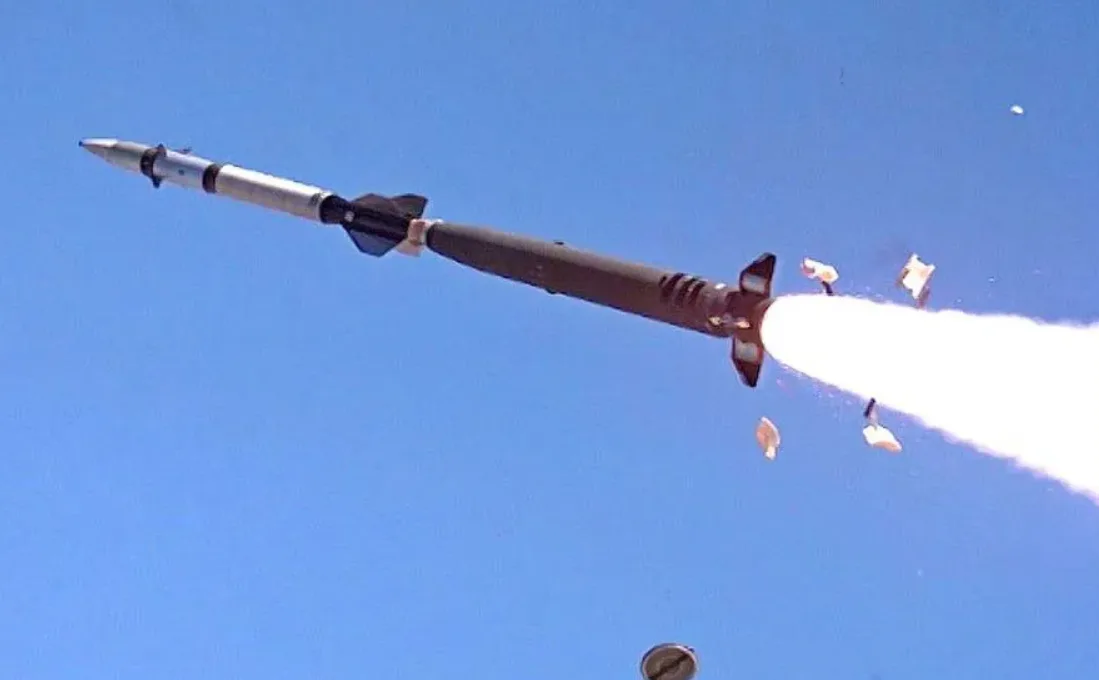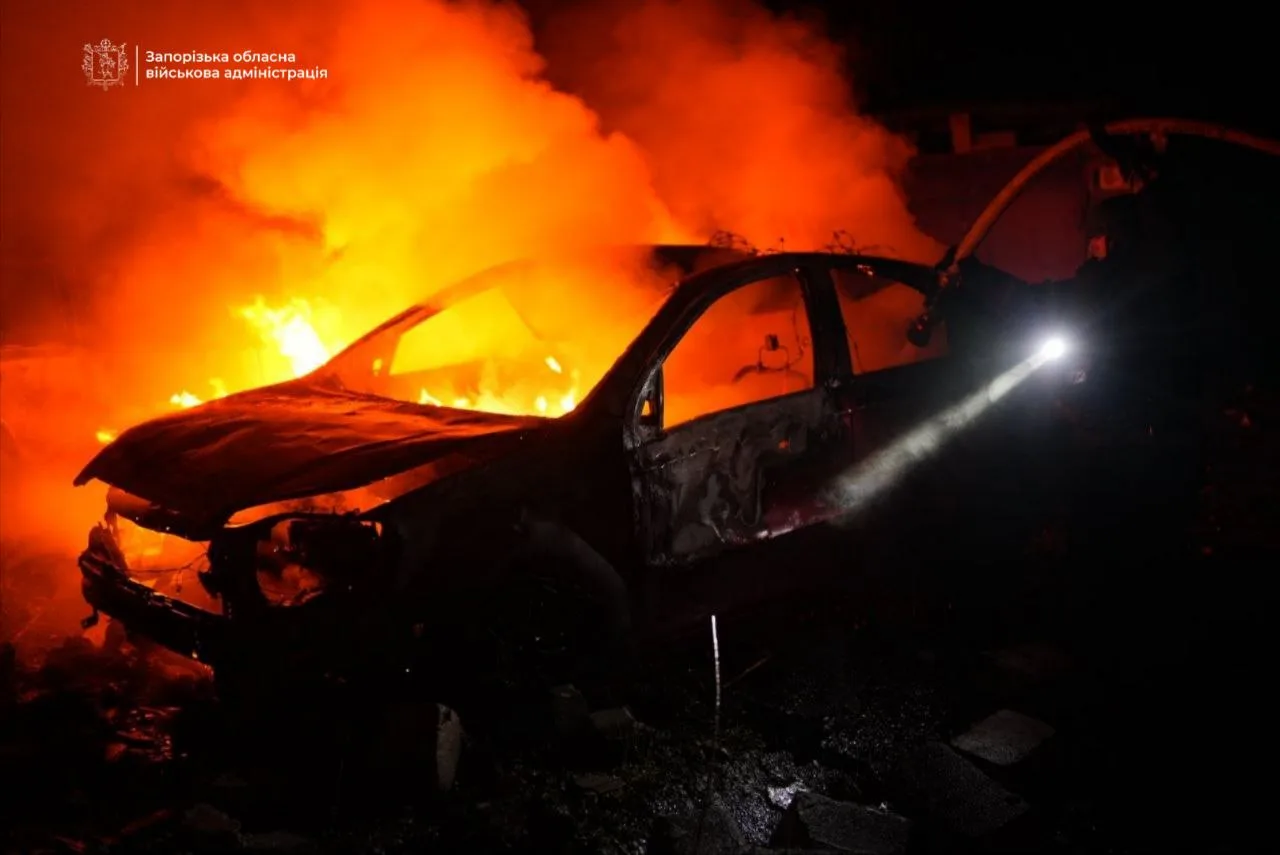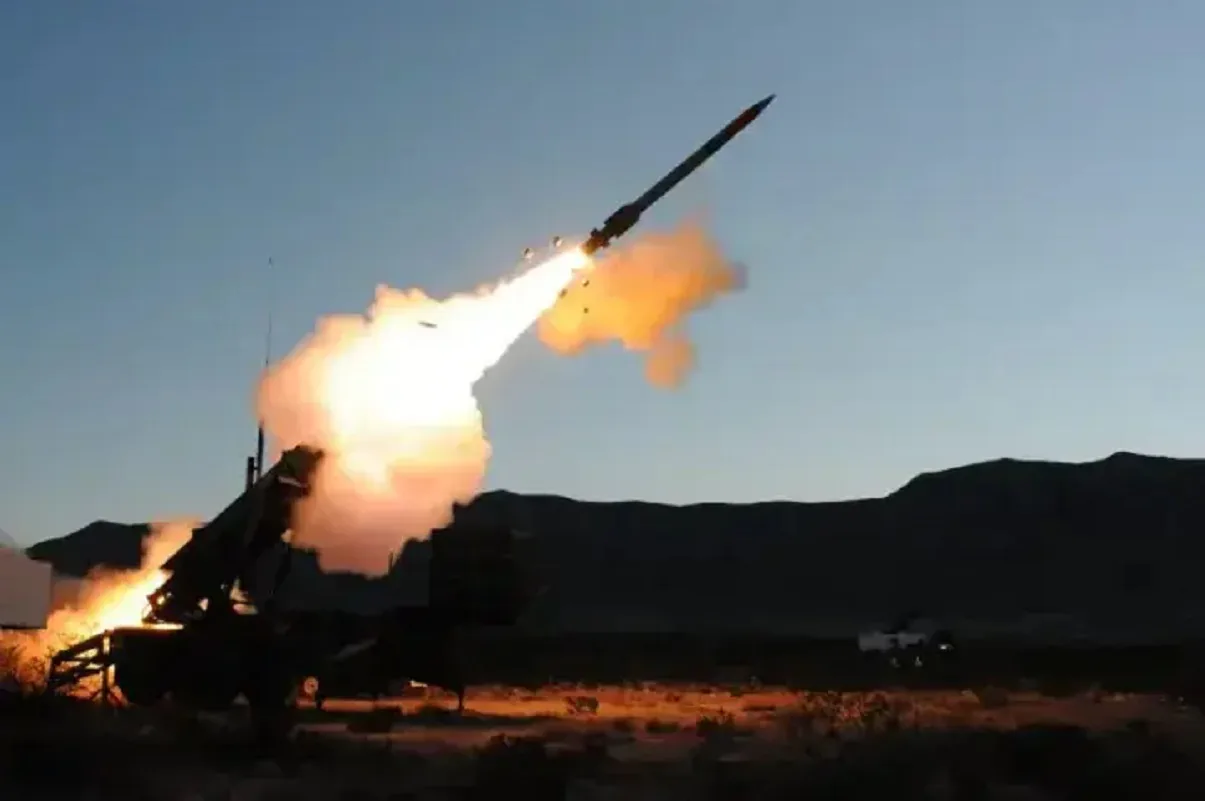
The Atlantic writes that the key obstacle to granting Ukraine a license to manufacture Patriot missiles is not technical but commercial. The official position of Raytheon and Lockheed Martin: the risk of intellectual property theft and technology transfer to third parties. A source cited by the publication names a different reason — concerns that Kyiv will improve the system and begin producing missiles en masse and cheaper than American manufacturers.
What Zelenskyy says
On August 8, President Volodymyr Zelenskyy announced an agreement with Donald Trump regarding the provision of a license: "We have now reached an agreement with President Trump that he will grant licenses, but imagine if we had received them four years ago. By now we would already be manufacturing Patriot for everyone."
Washington had not confirmed this agreement at the time of the article's publication. Zelenskyy indicated that the main delay now is bureaucratic procedures.
Context: interceptor shortage
In July, Zelenskyy asked Trump for an emergency "winter package" of air defense interceptor missiles for Patriot — to protect energy infrastructure before the heating season. In response, Trump cited the reduction of American stockpiles.
In parallel, Ukraine is developing its own air defense project Freyja under the leadership of Fire Point company. This is a direction that does not depend on Washington's licensing decisions and American production capacity.
Where the real conflict of interest lies
For the United States, the licensing issue is not just about Ukraine. If Kyiv really establishes cheaper production, this will change the balance in the air defense market for all allies who purchase Patriot through American contractors. That is why the decision is being dragged out: Ukraine's technical readiness outpaces the manufacturers' willingness to relinquish control over the technology.
The verification will be straightforward: if the licensing agreement is actually signed, the first details about production volumes and timelines will emerge within weeks. If the matter is limited to statements without documents — this will mean that the manufacturers' commercial concerns currently outweigh military necessity.