On July 17, the EU Council added six subjects of the Russian military-industrial complex to its sanctions lists — five companies and one individual. The formal reason: combined strikes on Kyiv on the nights of July 1 and 5. The real context — a specific link in the production chain that was successfully identified.
Who is under sanctions
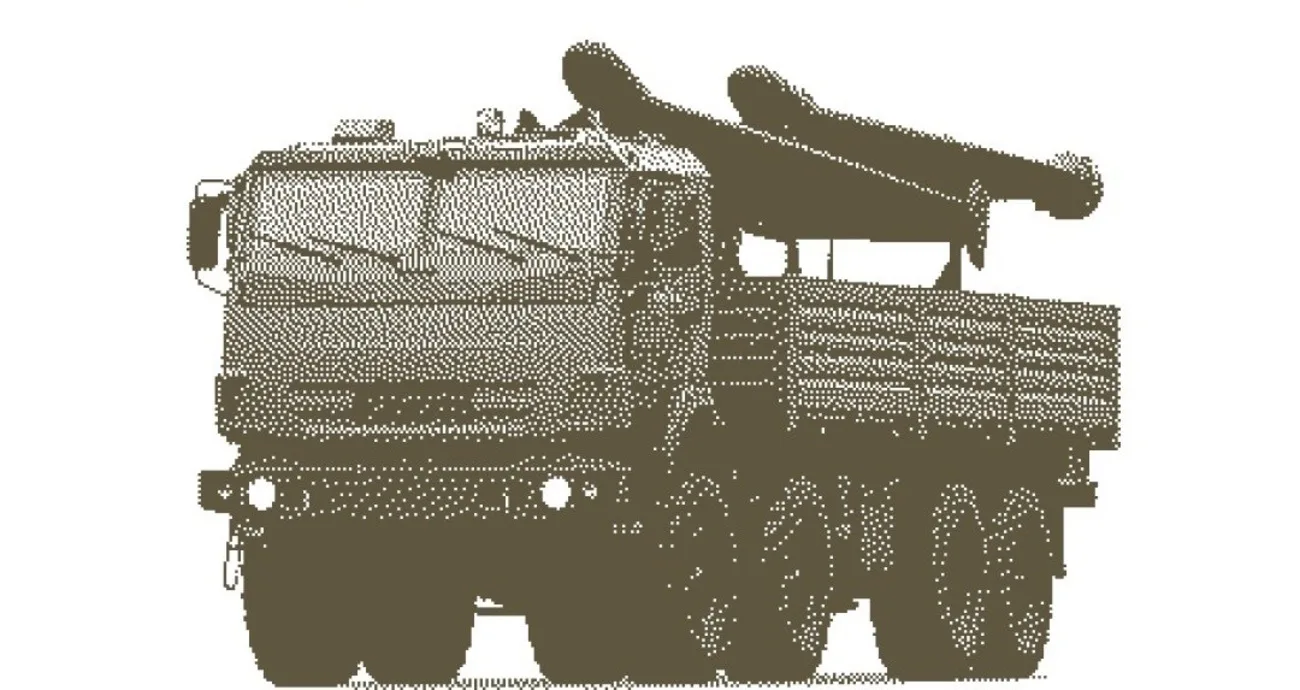
All five companies belong to the ABS Electro group. According to the EU Council, it develops and manufactures electronic and radio-electronic components intended directly for drone warfare. The key detail: these components increase the resistance of unmanned aerial vehicles like Shahed and Geran to electronic warfare systems — that is, they address the very problem due to which Ukraine shoots down hundreds of drones per night. Additionally, several enterprises in the group manufacture automated control systems for the Russian energy sector, which generates revenue that finances the war itself.
The individual on the list is Irina Kharisova, chairperson of ABS Electro and director of several group companies.
"In view of Russia's ongoing and escalating aggression against Ukraine, including recent deadly strikes on Kyiv on the night of July 1st and July 5th, 2026, the Council has decided to introduce restrictive measures against one individual and five organizations".
EU Council, July 17, 2026
What happened in Kyiv
The July 1-2 strike destroyed more than 30 locations across all districts of the capital. At least 23 people were killed, with people being pulled from the rubble. On July 5, Russia struck again: a total of 19 dead across Kyiv region, over 60 wounded — including five children. A missile hit a nine-story residential building in the Podil district. On July 7, Kyiv declared a Day of Mourning.
These very strikes became the direct reason for sanctions. EU foreign policy chief Kaja Kallas announced the package the day after the first attack: "The more Moscow strikes civilians, the more sanctions we impose".
Why this matters — and where the weak point is
Sanctions against a specific group of companies are rare: usually, broad categories of goods or banks come under restrictions. Targeting a manufacturer of EW-resistant components is a step toward more precise pressure on the supply chain.
But in parallel, there is another problem. An OCCRP investigation revealed: downed Gerans continue to contain components manufactured by approximately 20 European companies from eight countries — despite existing sanctions. Trade data records 672 shipments of sanctioned components to Russia between January 2024 and March 2025 alone — mostly through China and Hong Kong. Introducing new restrictions without strengthening the verification mechanism for third countries leaves this scheme operational.
- EU's 20th sanctions package (April 2026) for the first time allowed blocking re-exports through third countries — Kyrgyzstan became the first precedent.
- But the 21st package remains unagreed due to disagreements between member states.
- ABS Electro is a Russian company, so freezing assets within the EU will have limited effect if production does not extend beyond Russia.
Sanctions against ABS Electro establish accountability and narrow the scope for legal transactions. But if the EU does not close re-export routes through third countries, the next batch of components for Geran may come from the same eight countries — just through a different intermediary.