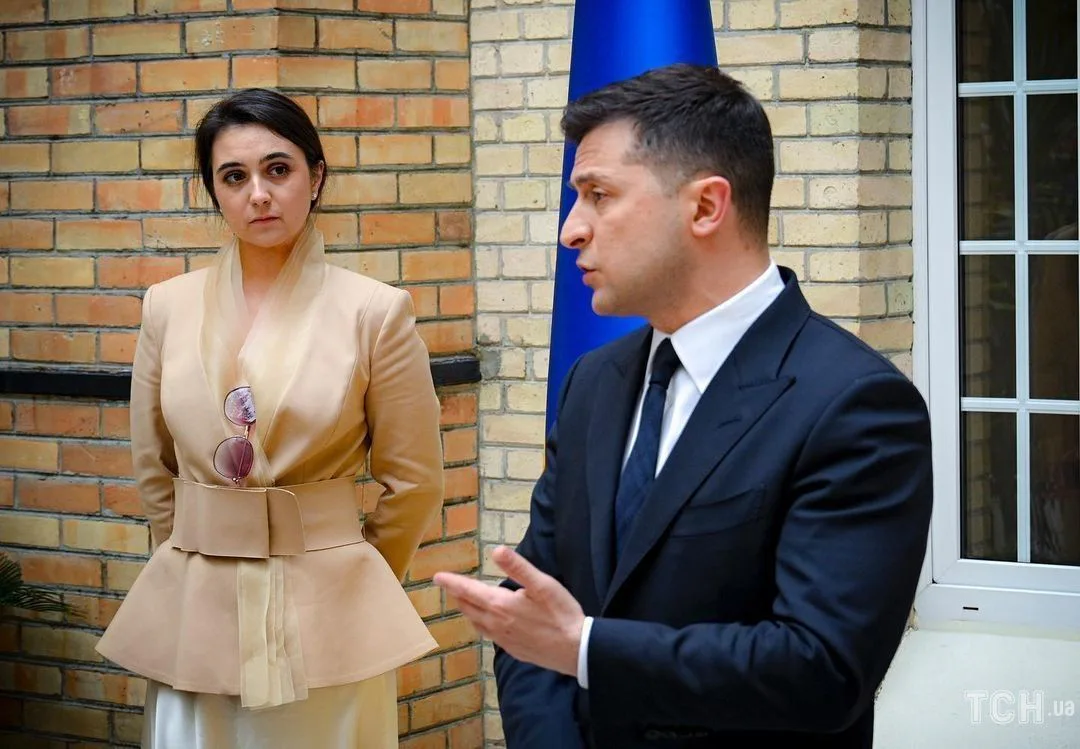
Prime Minister Koretsky announced two key personnel decisions: Yevhenii Khmara becomes acting minister of defense, Andrii Sybiha becomes acting minister of foreign affairs. Simultaneously, the government launched a reorganization of the structure of both ministries.
The status of "acting" is not a technical detail. In wartime, an acting official has ministerial powers but without full parliamentary approval. This means faster decision-making — and less accountability to the Verkhovna Rada at the start of the term.
The Ministry of Defense is an especially sensitive point in this context. The department controls the country's largest budget, coordinates weapons procurement, and interacts with dozens of international partners. Khmara takes the chair at a moment when previous scandals involving defense tenders have not yet received judicial resolution.
Sybiha at the Foreign Ministry is a choice with a diplomatic background: he was deputy minister and led negotiation tracks with several European capitals. However, right now the ministry is conducting the most complex diplomatic season in years — negotiations on security guarantees and EU membership require not a temporary, but a fully empowered voice.
The reorganization of the ministries' structure announced by Koretsky exists so far only as an intention — details of the new configuration have not been disclosed. Without a specific plan for changes and timelines, it is unclear whether this is about management optimization or a redistribution of influential posts.
If the reorganization is completed before official parliamentary approval of the ministers, the new composition of the departments will be formed without a public vote on their heads.