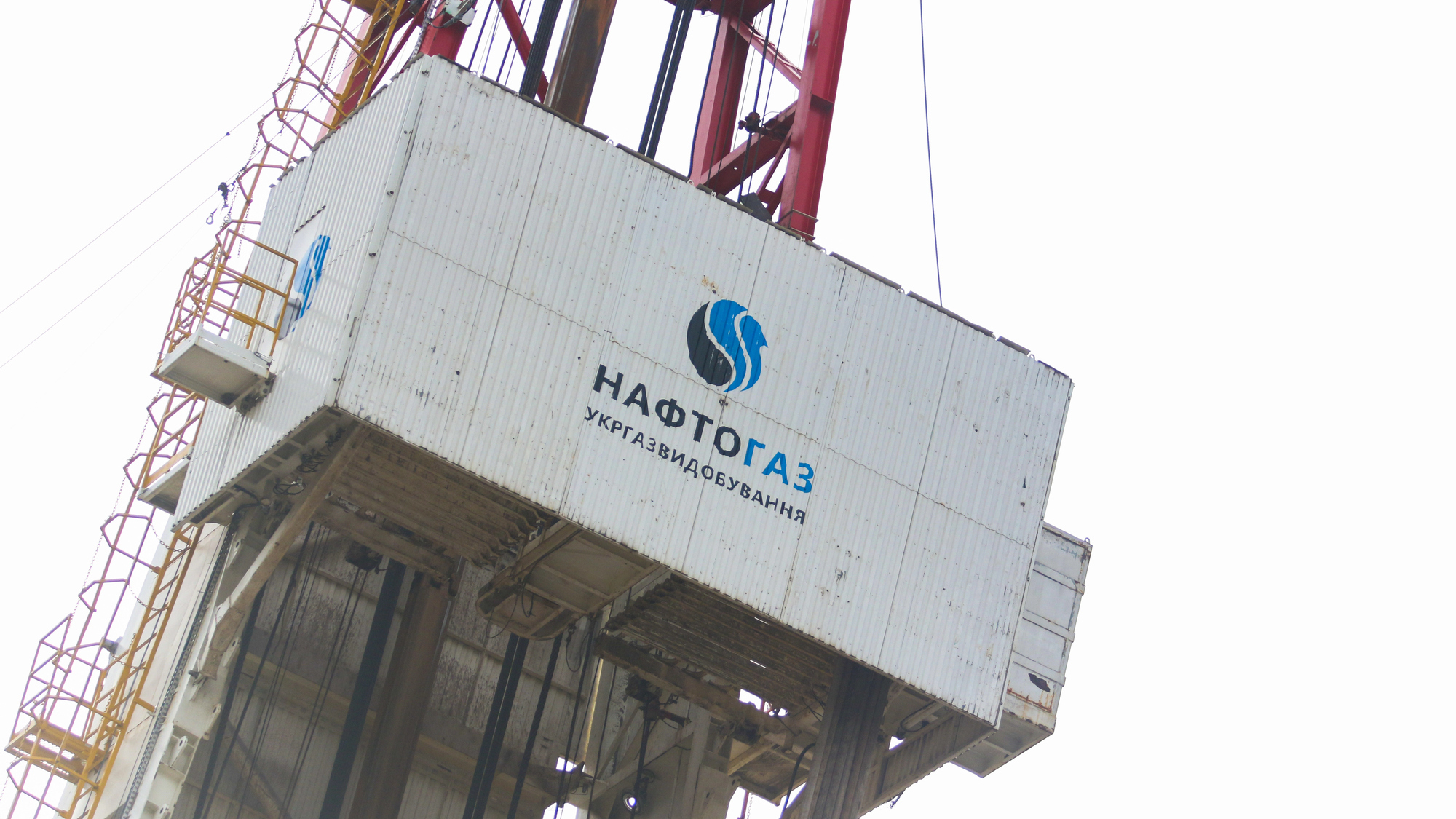
On July 17, Russian unmanned aircraft attacked production facilities of the Naftogaz Group in three regions simultaneously — Kharkiv, Poltava, and Sumy. According to Sergiy Fedorenko, acting chairman of Naftogaz's board, the attacks have been practically continuous since morning and involve the use of jet-powered drones.
What is known about the strike
Fires broke out at several facilities, with significant destruction recorded. Operations at the enterprises have been halted. Thanks to security measures taken in advance, personnel were unharmed — people are sheltering in bunkers. Fedorenko clarified that due to the threat of repeated strikes, it is not yet possible to accurately assess the extent of equipment damage.
"Fires broke out at several facilities, with significant destruction. Due to the threat of repeated strikes, it is not yet possible to accurately assess the extent of equipment damage. Operations at the facilities have been halted."
Sergiy Fedorenko, acting chairman of Naftogaz's board
Jet-powered drones — why it matters
Among the unmanned aircraft used are jet-powered drones, which represent a tactically significant factor. This refers to an analog of the Iranian Shahed-238, which Russia produces under the name Geran-3: its speed reaches 570 km/h compared to 180–200 km/h for the conventional Shahed-136. First fragments of such drones were recorded in Ukrainian territory as early as early June 2025. The higher speed reduces air defense response time and complicates interception over sparsely populated gas production facilities, where radar coverage may be sparse.
Context: 250 attacks in less than a year
Naftogaz's press service noted that today's strike is the 250th against the group's facilities since the beginning of 2025. For comparison: this averages more than two attacks per week. Russia systematically attacks gas production infrastructure in eastern and northern Ukraine — regions where major deposits are concentrated. Kharkiv, Poltava, and Sumy regions together account for a significant portion of Ukraine's domestic gas production.
- Kharkiv region — gas production facilities have been under fire since the beginning of the full-scale invasion due to proximity to the front line.
- Poltava and Sumy — deeper rear areas, but within reach of attack drones with extended range or jet-powered drones with higher speeds.
Attacks on gas assets directly impact domestic production and the country's ability to survive the heating season without critical shortages. Shutting down production facilities even for a few days results in lost output, which is difficult to make up quickly due to the specifics of well equipment.
If jet-powered Geran-3 drones become a standard tool for striking infrastructure rather than a one-time application, Ukrainian air defense faces a concrete question: will available interception means be sufficient for facilities located hundreds of kilometers away from the main nodes of air defense.