September 6 is a day when the calendar brings together several completely unrelated stories: Ukrainian Entrepreneur Day, Bulgarian Unity Day, Pakistani Defense Day, and an international book reading initiative. There is one detail in this collection that distinguishes the Ukrainian holiday from the others — it is the only one that directly depends on whether the war is still ongoing.
A holiday that cannot be postponed
Entrepreneur Day was established by presidential decree back in 1998, and traditionally falls on the first Sunday of September. The idea was simple — to recognize the role of small and medium businesses in the economy. But over three years of full-scale war, the meaning of the holiday has shifted from "celebrating achievements" to something more pragmatic — recording the fact that business still exists at all.
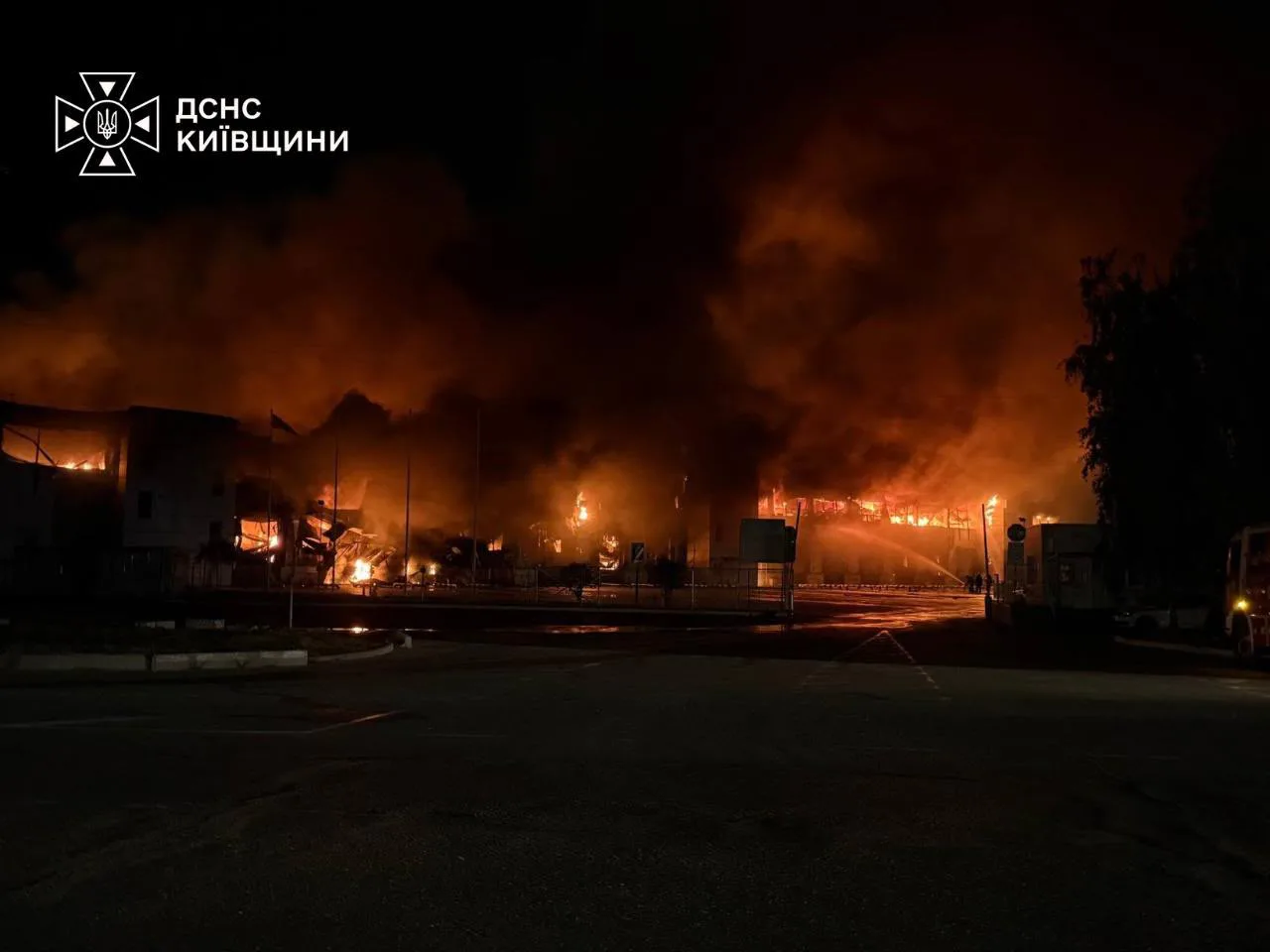
Small entrepreneurs in frontline regions, self-employed individuals who continue working under shelling, owners of shops and cafes that resume operations a week after being hit — this is no longer about "leadership qualities" from official formulations, but about the mundane logistics of survival. The state calls this resilience. The entrepreneurs themselves more often call it the absence of choice.
Why the comparison with Bulgaria and Pakistan is not coincidental
Bulgaria's September 6 holiday commemorates the country's unification in 1885 after years of fragmentation. Pakistan's marks a repelled military offensive in 1965. Both celebrate a moment when the state defended or restored its integrity through action, not by decree.
Ukrainian Entrepreneur Day stands out in this context: it is not a memory of victory, but an ongoing process whose outcome is still unknown. Unlike historical dates, the economic front has no definitive victory date — only quarterly reports and statistics of closed and opened business registrations.
A practical point that is easy to miss
Book Reading Day on the same date is an opportunity for these very entrepreneurs to remember a simple fact: business literacy and financial knowledge often save a company faster than any government support. In countries where the number of closed small businesses grows annually, the lack of basic knowledge about accounting, taxes, or risk management is one of the reasons for closure, not just external circumstances.
A question worth asking oneself on September 6: does the state know the real number of entrepreneurs who survived despite the war, rather than those who simply haven't yet submitted documents to close their business registrations?
If next year the statistics from the Ministry of Economy show an increase in new business registrations in frontline regions — this will be the first clear signal that the economic front is truly holding its ground, rather than simply surviving on paper.