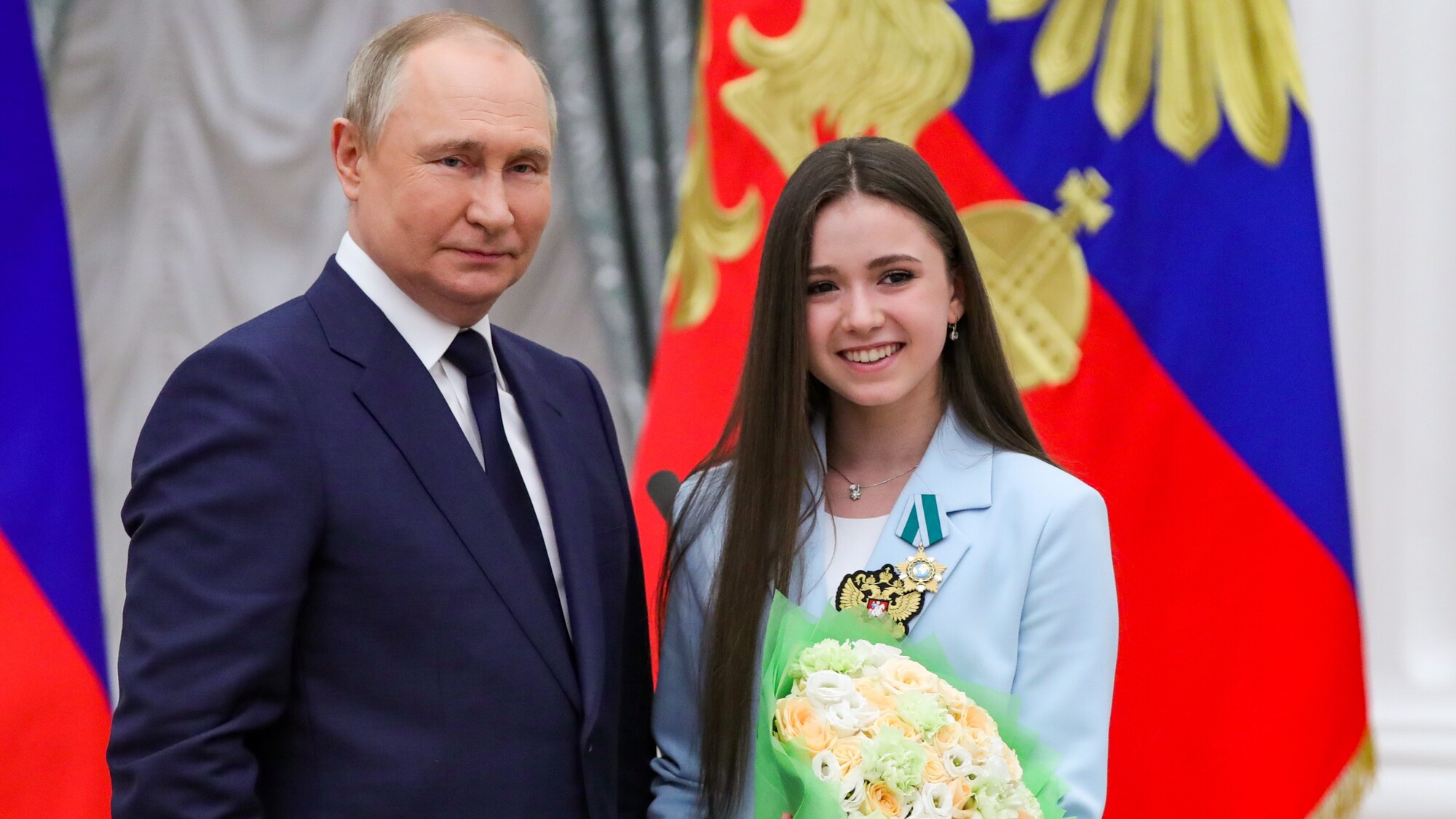
The International Skating Union (ISU) has notified Kamila Valieva in writing of the revocation of her neutral athlete status — a document that allowed Russians to compete in international tournaments without the Russian flag and anthem. This is reported by Reuters citing an informed source. Neither the ISU nor the figure skater's entourage have commented on the decision.
Formally, "neutral status" was supposed to be a filter: an athlete receives it only if they publicly do not support the war and are not affiliated with the Russian military or security forces. In practice, the system was easily bypassed by a figure skater who trains at the school of Tatiana Navka — the wife of Putin's press secretary Dmitry Peskov. This became the reason for an appeal from the Ukrainian Figure Skating Federation, which demanded that the ISU conduct not merely formal document checks, but continuous monitoring.
Practical implications for federations
The decision demonstrates a mechanism that other Ukrainian sports federations can use: not an abstract call to "ban Russians," but a specific legal appeal with evidence of an athlete's affiliation — familial, coaching, financial — with the Russian state apparatus. The ISU responded precisely to such arguments, rather than to general positions on the war.
This sets a precedent for verifying other "neutral" Russians before competitions — from skiing to fencing, where the IOC and federations use a similar admission system.
Background that the ISU could not ignore
Valieva already had a doping history: a test from December 25, 2021 found trimetazidine, a substance that improves oxygen absorption by the heart. The Court of Arbitration for Sport then allowed her to compete at the 2022 Olympics only because of her age — "protected person" status until age 16. Now at 19, this legal protection no longer applies.
Following the IOC's decision in July to lift restrictions on Russians, Ukraine's Foreign Ministry called on host countries of tournaments not to allow the display of Russian state symbols on their territory.
The question is whether the Valieva case will be a one-time exception under pressure from a specific complaint, or whether the ISU will implement continuous monitoring as demanded by the Ukrainian federation. If not — the next Russian with a similar background will have to be "caught" manually, appeal by appeal.