Quiet waves: why this expense merits attention
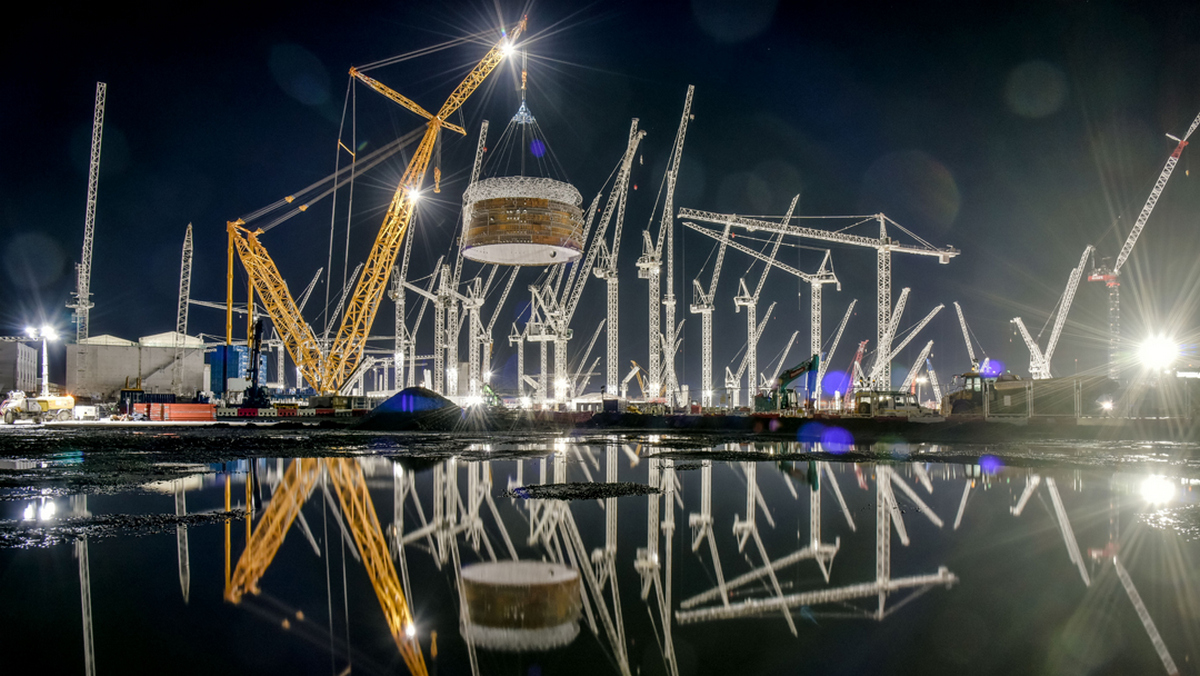
EDF, the company building the Hinkley Point C nuclear power station in the United Kingdom, plans to invest about £700 million in an underwater acoustic system and related measures to deter fish from intake pipes. That's roughly 1.5% of total project costs, estimated at £46 billion. The decision was reported by The Guardian.
What exactly will be installed
The plan foresees more than 300 underwater speakers that will emit sound pulses, attachments on intake pipes to slow the flow, and a fish return system for those that still enter the high-velocity cooling stream. The media have already nicknamed this configuration the “fish disco” — a term that has stuck in descriptions of the solution.
"The system is already jokingly called the 'fish disco' — it's a way of explaining a complex combination of acoustics and engineering solutions."
— The Guardian
Why it matters: ecology, regulation, reputation
The investment is not just about saving wildlife. If the system works as expected, it will save about 44 tonnes of fish each year — the equivalent of the annual catch of a small fishing vessel. At the same time, it avoids the creation of 900 acres of compensatory saltmarshes that were part of earlier plans. For the operator this means less time and land spent on environmental compensation and reduced reputational risk.
"This decision will allow the station to reach one of the highest levels of fish protection in the world, combining acoustics with engineering measures."
— EDF (press office)
The cost and effect on the energy programme
£700 million is a large sum, but in the context of £46 billion it is a risk-management tool. Regulators, environmental organisations and local communities often delay or block large infrastructure projects over concerns for ecosystems. Investment in preventive technologies can shorten approval times, reduce the need for land-based compensations and speed up bringing capacity online — thereby improving the country’s energy stability.
What this means for us (a lesson for Ukraine)
There are three practical takeaways worth noting:
- Prevention costs more up front than reacting later: investing in environmental solutions at the design stage saves time and land down the line.
- Technology can become standard: if underwater acoustic systems prove effective, they could replace much of the compensatory work required for ports and coastal projects.
- Energy independence requires compromises: for large-scale, reliable generation you must budget for measures that minimise environmental impact.
Conclusion
EDF’s investment is not just a technological experiment but a civilised approach to combining energy security and nature protection. If the solution works, it will set a practice where major energy projects pay not only for generation but also for preserving ecosystems. For Ukraine this is a reminder: when rebuilding the energy sector after the war, gains will come not only from turbines but also from smart environmental investments.
Now the question for politicians and designers: are we prepared to include such costs at the design stage to avoid much larger compromises in the future?







