In high diplomacy, it's not loud statements but concrete steps that matter
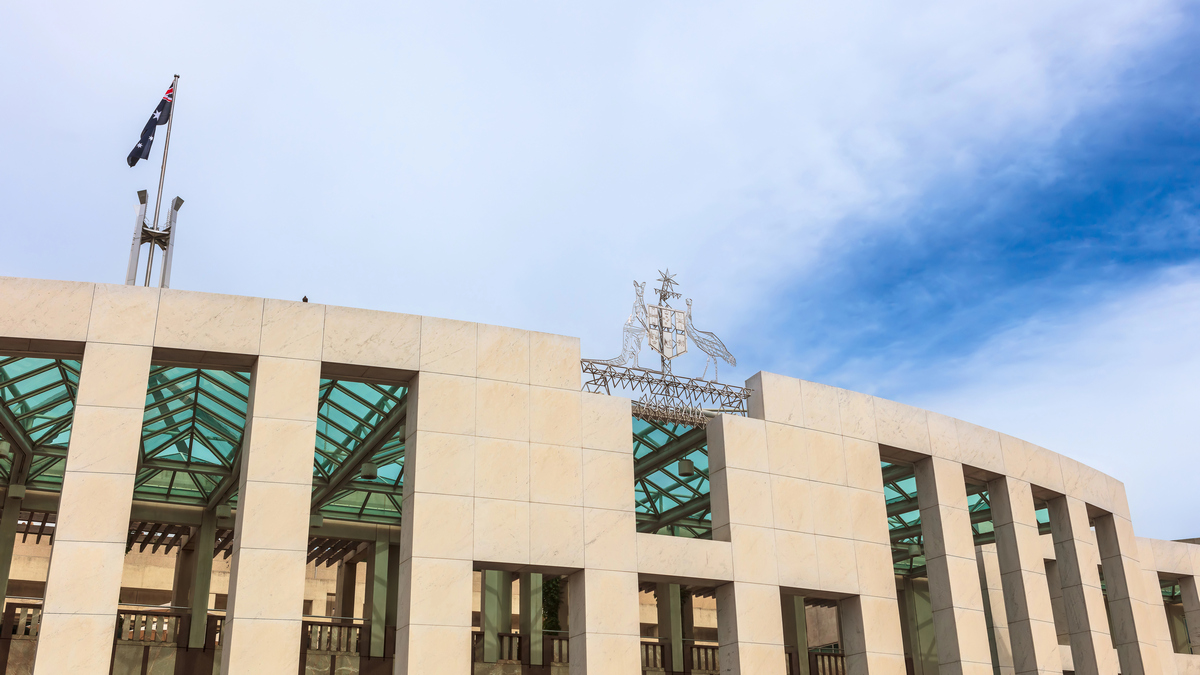
On Tuesday, 24 February, the Australian government announced the imposition of targeted sanctions on 180 individuals and legal entities and a number of vessels of the “shadow fleet” linked to Russia. Foreign Minister Penny Wong described this as Australia's largest package of restrictions since February 2022. For Ukraine this is not only symbolic solidarity but a pragmatic step that cuts the aggressor's financial flows.
What exactly was targeted
The sanctions affected key sectors: finance, defense, aviation, energy, transport and technology. Among the names and brands — Surgutneftegaz, the airline S7, around fifty banks, as well as the elite UAV unit “Rubikon”. This is aimed at reducing the revenues the Kremlin can direct to support its military campaign.
Cryptocurrencies — a new line of pressure
For the first time Australia is openly targeting crypto structures used for cross-border payments and sanctions evasion. Platforms included in the restrictions are Netex24, B-Crypto, the Kyrgyz exchange Grinex, the company Tengricoin/Meer Crypto Exchange and Old Vector with the ruble-linked stablecoin A7A5. This is an important signal: digital money is ceasing to be a “hideout” for evading the sanctions regime.
Context: partner coordination and potential weaknesses
The Australian move comes against the backdrop of British announcements about a large package of restrictions — roughly 300 names. At the same time the EU could not adopt the 20th package because Hungary blocked it over oil transit on the “Druzhba” pipeline. Analysts note: sanctions work best when they are synchronized with partners and close channels of evasion — from transport to crypto platforms.
"Today and every day Australia will continue to fight for a just and lasting peace that respects Ukraine's sovereignty and territorial integrity..."
— Penny Wong, Australia's foreign minister
What this means for Ukraine and what to work on next
In short — it reduces the Kremlin's financial space: restrictions on energy companies, banks and crypto services complicate the raising and laundering of funds for the war. But the effect will depend on three things: partners' ability to coordinate further steps, the speed of blocking channels of evasion, and control over transit flows of energy carriers.
Now the ball is in the partners' court: declarations must turn into coordinated action — and it is in this context that the further impact of the sanctions on Russia's ability to finance offensive operations should be assessed.







