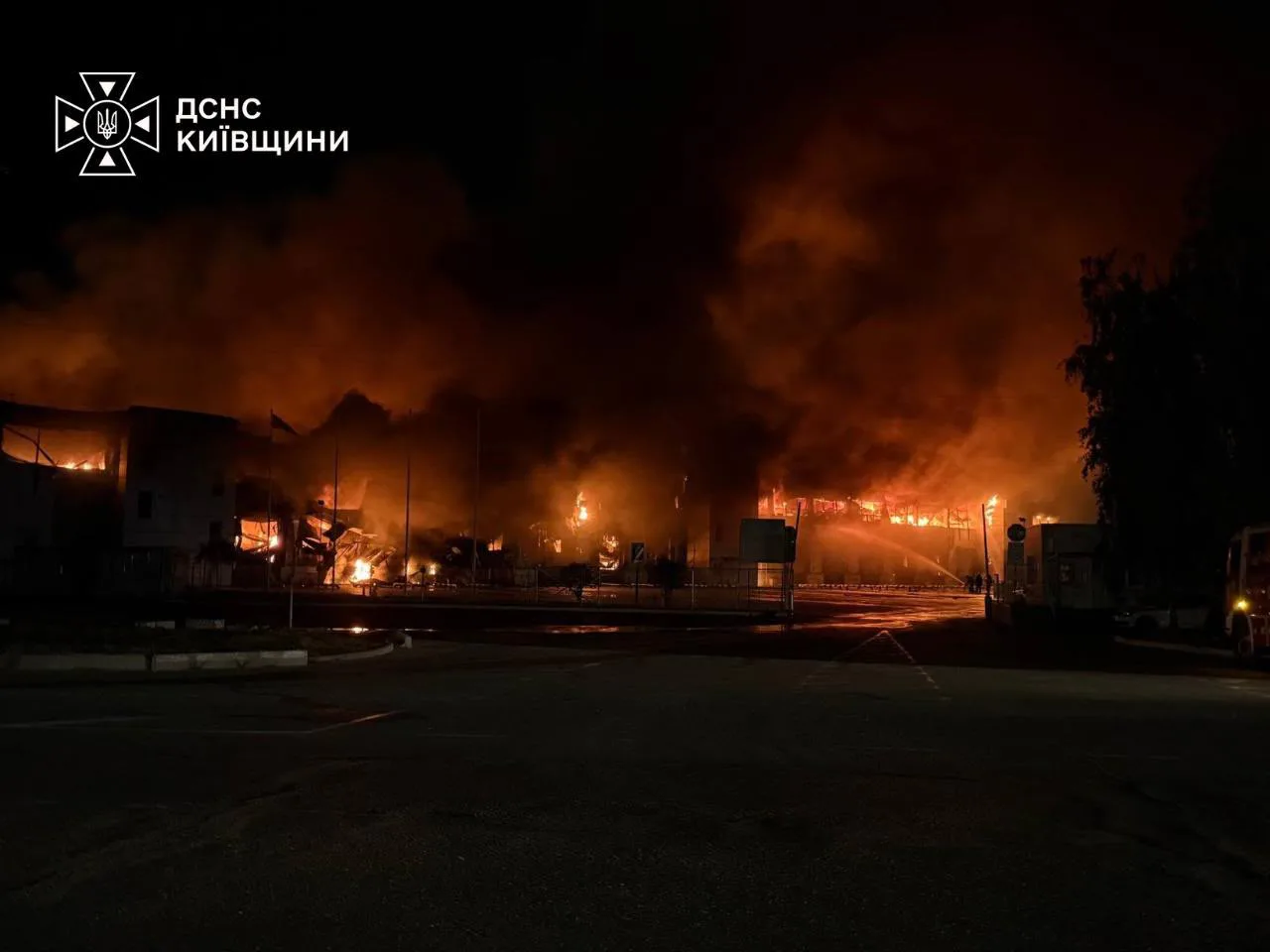
Ukrainian drones and missiles accomplished what sanctions could not do for years: they forced Russia to seek workarounds for grain exports. Attacks on Black Sea logistics pushed part of the cargo toward the Baltic Sea — and suddenly it became clear that nothing needed to be broken for this. It was enough to exploit a loophole that no one had noticed before.
Grain that "doesn't exist" for sanctions
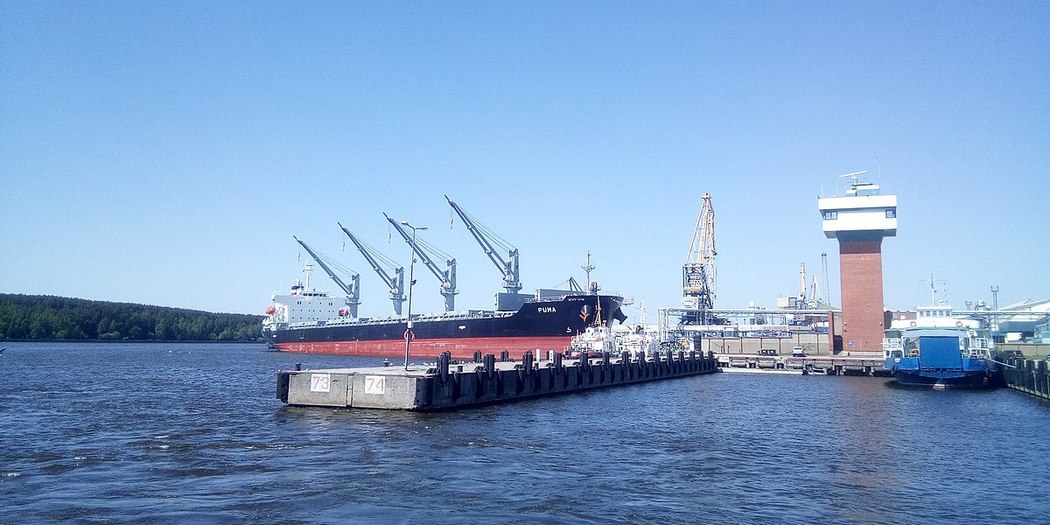
Formally, there is no problem: Russian agricultural products are not subject to EU sanctions regimes the way oil or metals are. So when approximately 47,000 tons of corn from Kaliningrad region passed through the Port of Klaipėda over eight months, Lithuanian authorities had no legal grounds to stop it. The port was simply fulfilling a commercial contract.
This is the practical angle of the story: not a propagandistic claim about a "ban," but an acknowledgment that NATO countries' infrastructure could serve Russian agricultural exports for years entirely legally — simply because no one paid attention to it while volumes remained minuscule.
"Latvia's infrastructure cannot and will not be used for exporting Russian grain," said a representative of Prime Minister Mindaugas Šinčenkus.
Why it suddenly matters
While only 1 million tons passed through the Baltic compared to 46.3 million through the Black and Azov Seas, no one was concerned. But Ukrainian strikes on Russian ports and the tanker fleet forced exporters to actively search for alternatives — and the Baltic turned out to be conveniently at hand. According to Kpler and Soveco estimates, the attacks are capable of cutting up to a third of Russian wheat sea exports. Logically, part of this volume will attempt to seep through the ports of Russia's EU neighbors.
Latvia is acting preemptively: Prime Minister Andris Kūlbergs has ordered enhanced verification of grain origin before large shipments physically reach Latvian terminals. The reason is information from Ukraine about planned increases in transit of grain stolen from occupied territories precisely through Baltic states.
What will change technically
- Latvia's Food and Veterinary Service will for the first time receive authority to inspect transit grain shipments — previously, it simply did not have such rights.
- Ukrainian food security experts will arrive in Latvia together with special services — meaning verification of grain origin will become a joint operation rather than purely a Latvian bureaucratic procedure.
- Lithuanian LTG is clarifying who exactly transported Kaliningrad corn and under what registration schemes — this could reveal chains of intermediaries relevant to other goods as well.
The price of the question extends beyond the Baltic
The simultaneous decline in exports from both Russia (due to strikes) and Ukraine (to 30% of potential due to risks to its own logistics) creates a rare situation: both warring sides are simultaneously withdrawing from the grain market. For global food prices, this means upward pressure regardless of who "wins" the information war surrounding Baltic transit.
The question that remains open is whether Latvia's planned final ban, scheduled for review next week, will take effect faster than Russian exporters manage to redirect cargo to ports of third countries outside EU jurisdiction.