What happened and why it matters
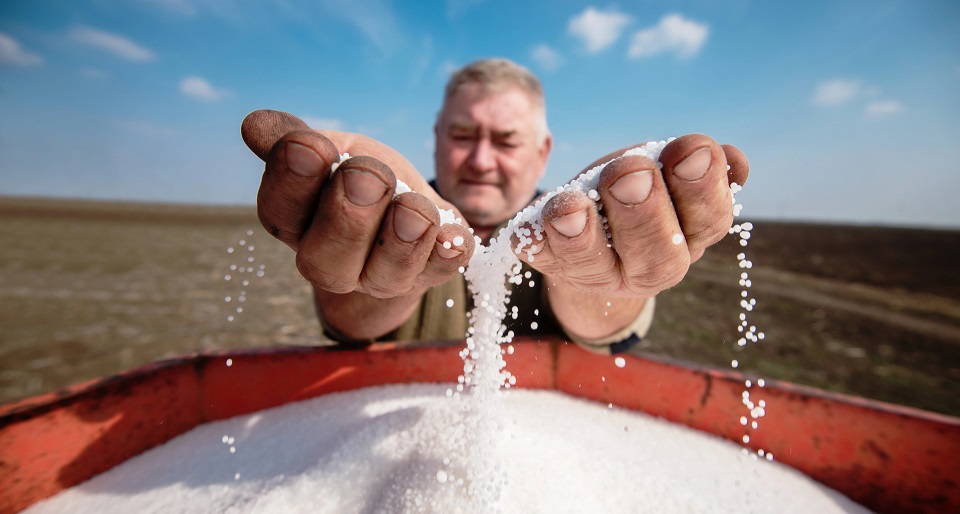
Financial Times reports: the war in the Middle East and Iran's blockade of the Strait of Hormuz have led to severe disruptions in the supply of mineral fertilizers from the region. This is not a local problem — a significant share of the world's exports of key fertilizer components passes through this route: approximately 35% of urea, about 45% of sulfur and large volumes of ammonia needed for the production of nitrogen and phosphate fertilizers.
Experts say it plainly
"We must not underestimate what this could potentially mean for global food production"
— Svein Tore Holseter, CEO of Yara International
According to consulting firm CRU, it is the physical blockade of the Strait of Hormuz that distinguishes this crisis from previous ones — this is a logistical barrier, not just market fluctuations.
Short timeline: when consumers will feel it
Analysts warn that supply chains react quickly: changes in fertilizer availability can affect bread prices as soon as 6–10 weeks, eggs — within a few months, and poultry and pork meat — roughly within six months. This is the forecast of food-systems expert Raj Patel.
"If [fertilizers] do not reach farmers' fields, yields could fall by up to 50% already at the first harvest"
— Svein Tore Holseter, Yara International
Pricing and the energy factor
Fertilizer prices have already started rising sharply: Argus Media records an increase in the price of granular urea in the Middle East of about $130 per tonne. Ammonia futures in Europe have also jumped significantly. Additional pressure comes from energy: natural gas — the key feedstock for nitrogen fertilizer production — and its price rise immediately increases production costs.
How this is different from 2022
Analysts point out: in 2022 the shock was primarily due to a sharp rise in energy prices and logistical problems after Russia's full-scale invasion of Ukraine. The current situation differs in that there is a physical blockade of a key sea route and attacks on production sites. Because of this, disruptions may be faster and wider in geographic impact.
"The big difference this time is that the blocked Strait of Hormuz is a physical barrier to supply"
— Chris Lawson, head of fertilizers at CRU Group
Attacks on production: the QatarEnergy example
Alongside the blockade, production in the region is also under attack: QatarEnergy temporarily halted operations at the Ras Laffan complex after a drone attack, which affected exports of urea, ammonia and sulfur. For the global market this means a simultaneous demand and supply shock.
What this means for Ukraine
Ukraine is a major player in the global grain market, and any reduction in global access to fertilizers increases competition for supplies and pushes up prices. For our spring sowing, availability of nitrogen and phosphates is of key importance: insufficient fertilizer application reduces yields and grain quality, which will complicate both the domestic food balance and export opportunities.
Practical consequences for Ukraine: it is necessary to quickly diversify supply chains, strengthen logistics for domestic stocks, and also support local fertilizer producers and farmers with priority subsidy and lending programs.
Short forecast and what to do next
If the blockade and attacks continue — pressure on prices and shortages of materials for the agricultural sector will intensify. For now the key question for governments and international partners is not only verbal signals but concrete steps: ensuring alternative routes, export quotas, credit support for farmers, and diplomatic pressure to secure guarantees for maritime routes.
"This time the consequences could be much more extensive"
— Raj Patel, food-systems expert
While attention is focused on headlines and diplomatic declarations, rapid operational decisions will be decisive for Ukraine's agricultural community: who and how will supply fields with fertilizers in the spring, how mobile will logistics be, and whether political support can be turned into actual deliveries. It's now up to partners and practical actions: declarations must be turned into cargo.







