Why this matters
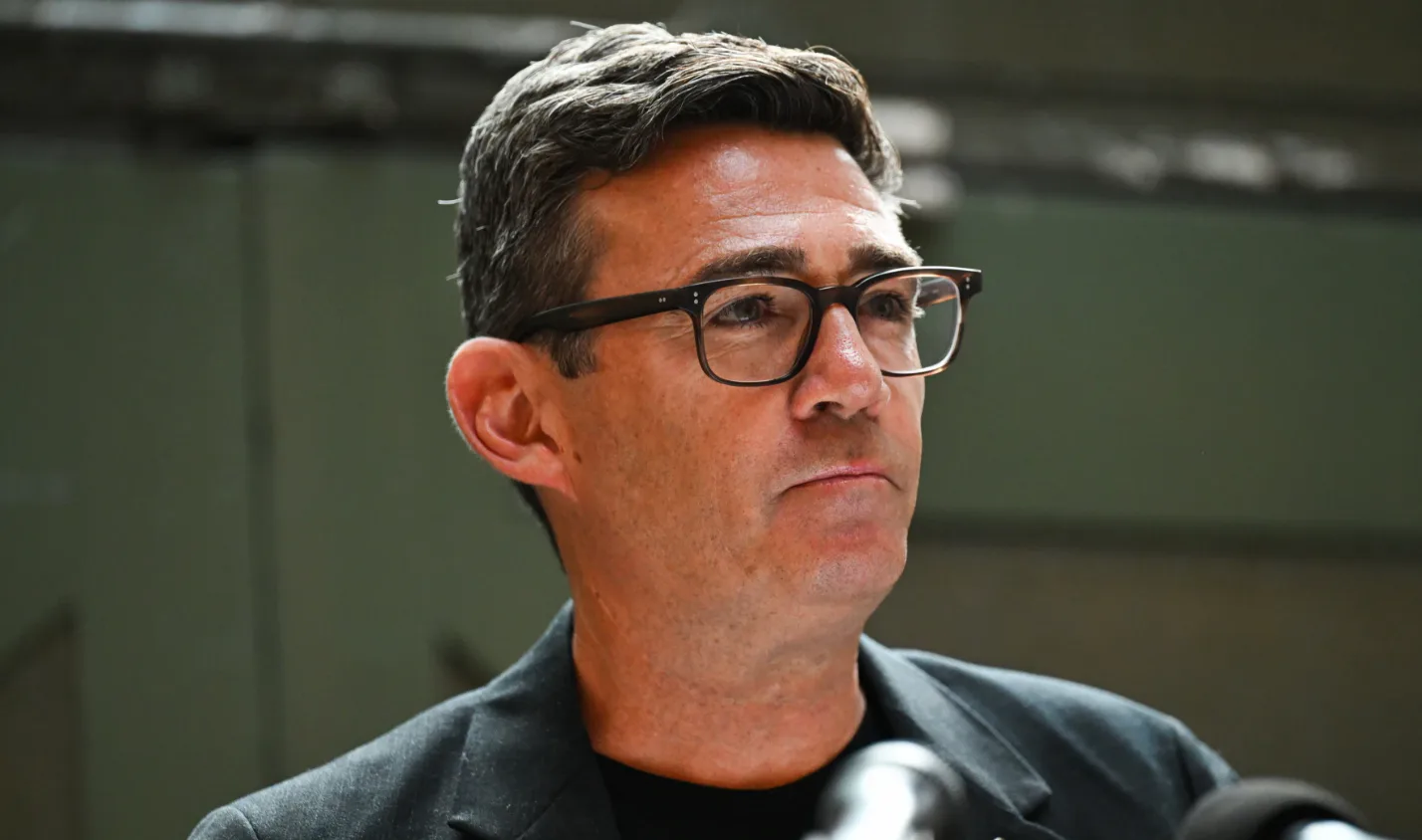
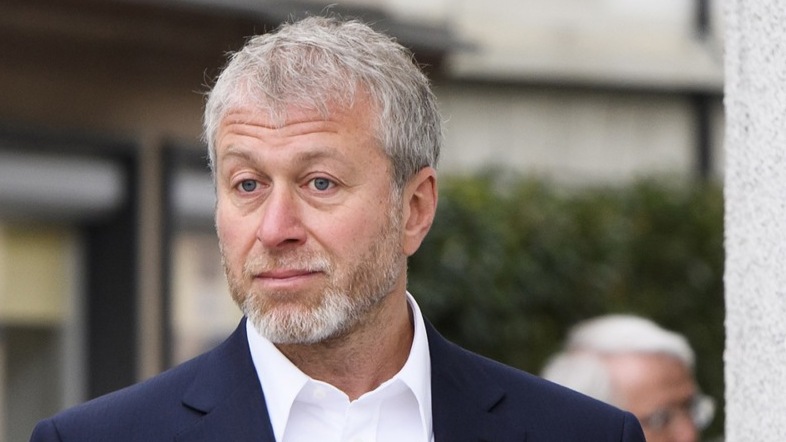
The United Kingdom has announced its intention to issue instructions to transfer £2.5 billion received by Roman Abramovich from the sale of the Chelsea football club to humanitarian needs in Ukraine. Prime Minister Keir Starmer announced this in a speech in the House of Commons, The Guardian reports. The amount in pounds is roughly equivalent to $2.9 billion, making this decision significant both humanitarianly and in politico-legal terms.
"The clock is ticking, and Roman Abramovich must fulfill the commitment he made when he sold Chelsea and transfer £2.5 billion to humanitarian needs in Ukraine. This government is prepared to pursue this through the courts so that every penny reaches those whose lives have been shattered by Putin's unlawful war."
— Keir Starmer, Prime Minister of the United Kingdom
The UK position: the last step before court
According to the government, issuing a licence to transfer the funds is the last opportunity for Abramovich to meet his obligation following the sale of the club. If he does not, London is ready to initiate legal proceedings to compel the transfer of the money. This approach combines diplomatic pressure with practical law enforcement — the government is effectively closing the "or else" option.
Where the money will go and who will manage it
The government has announced the creation of a special fund to distribute these resources — it will be headed by Mike Penrose, the former head of UNICEF UK. The fund's structure is intended to ensure the money is directed specifically to humanitarian needs in Ukraine and to minimize the risks of corruption or misuse. The funds are currently frozen in British bank accounts since sanctions were imposed.
What this means for Ukraine and the sanctions regime
First, this is a real additional resource for civilians affected by the full-scale aggression. Second, it is an important precedent: partner countries are demonstrating that sanctions can carry unavoidable financial consequences for individuals linked to the regime that started the war. Parliamentary calls for transferring these funds were already being made in January 2024, indicating this is a systematic demand rather than a one-off political gesture.
The coming weeks will show whether Abramovich agrees to a voluntary transfer mechanism, or whether the UK will commence legal action. Regardless of the route, transparency in distribution remains crucial — partners and Ukrainian authorities must be ready to oversee this to ensure every pound reaches those in need.
Summary
London's decision combines political resolve with legal preparedness. For Ukraine it's a chance to receive substantial resources; for the sanctions regime it's a test of effectiveness. Whether the "last chance" turns into concrete payments depends on Abramovich's next decisions and on how quickly and transparently the new fund operates.