Briefly: what was announced
On Tuesday, 24 February, the UK government unveiled its largest package of sanctions against Russia since 2022. According to the British government, the list includes about 300 individuals and legal entities, and the UK’s overall sanctions register now contains more than 3,000 entries relating to people, companies and vessels connected to the Kremlin's regime.
Who is targeted
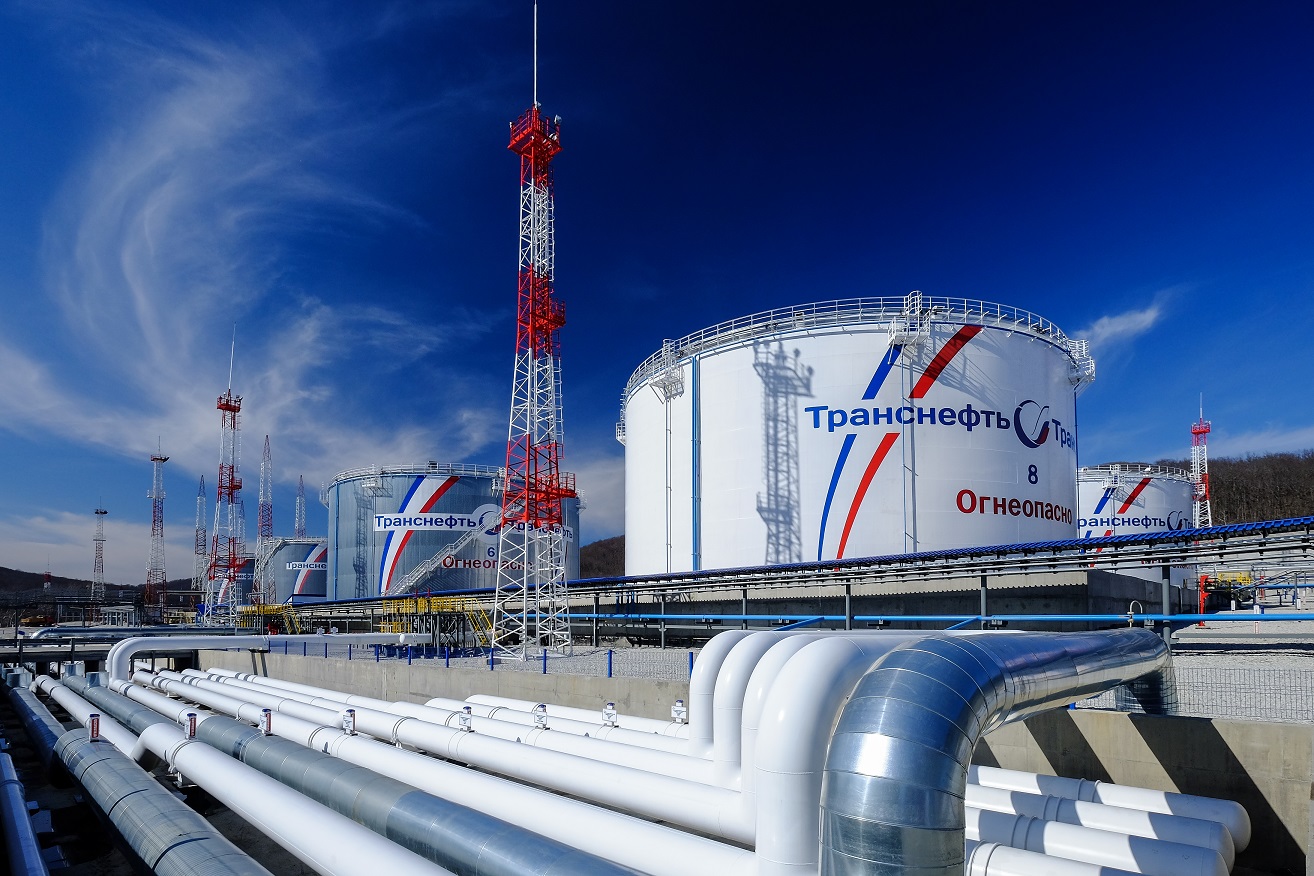
The main target is the company Transneft, through which more than 80% of Russian oil exports pass and which controls the Russian section of the Druzhba pipeline, which still supplies oil to Hungary and Slovakia. The package also includes three Rosatom subsidiaries (REIN Engineering, Rusatom Overseas, Rusatom Energy Projects), the shadow fleet network 2Rivers (formerly Coral Energy) — 175 companies and 48 tankers — and 49 individuals and organisations involved in supplying components for Russian drones.
Separately on the list are nine banks (Pochta Bank, Avers, Transcapitalbank, Absolut Bank, Sinara Bank, Lanta‑Bank, Bank Tochka, Ak Bars Bank, Fora‑Bank), three companies in the nuclear sector and six LNG facilities, including the Portovaya and Vysotsk terminals. Georgian TV channels Imedi and PosTV were also sanctioned, their activities in the UK being recognised as Russian propaganda.
What this means for Ukraine
First, the sanctions aim to reduce the Kremlin's revenues from energy exports and to complicate the logistics used to circumvent restrictions (the shadow fleet). Second, disabling or limiting companies that service the transit on the Druzhba pipeline underscores the risks for transit countries and creates additional trade and diplomatic pressure in the region.
For Ukraine this matters in three ways: energy security (reducing the aggressor’s income), diplomacy (pressure on transit intermediaries) and practical assistance: Britain announced the allocation of £30 million to restore Ukrainian energy infrastructure.
"It has now been four years since Russia began what Putin thought would be a three‑day operation... the courage and resolve of the Ukrainian people remain unbroken"
— Yvette Cooper, Britain’s Foreign Secretary
International context
The British move comes against a backdrop of difficult coordination in the EU: the sanctions package announced in the EU was supposed to be declared before 24 February, but it was blocked by Hungary in response to the halt of Russian oil transit via the Druzhba pipeline. This shows that even agreed measures can run up against regional interests that the Kremlin seeks to exploit.
In the broader perspective, the key question is whether partners will be able to synchronise the next steps (restrictions on the shadow fleet, related banks and logistics chains) so as not to give the Kremlin opportunities to evade the sanctions. Analysts in leading Western outlets point to the need to close loopholes in maritime logistics and financing.
Conclusion
The UK package is not the West’s only response, but it is a clear signal: hitting Russia’s export channels and the infrastructure that allows evasion of restrictions remains a priority. For Ukraine it is important that these steps turn into practical assistance — from restoring energy infrastructure to cutting off the aggressor’s financing channels. Whether partners can close systemic loopholes is a question for the coming weeks and months.