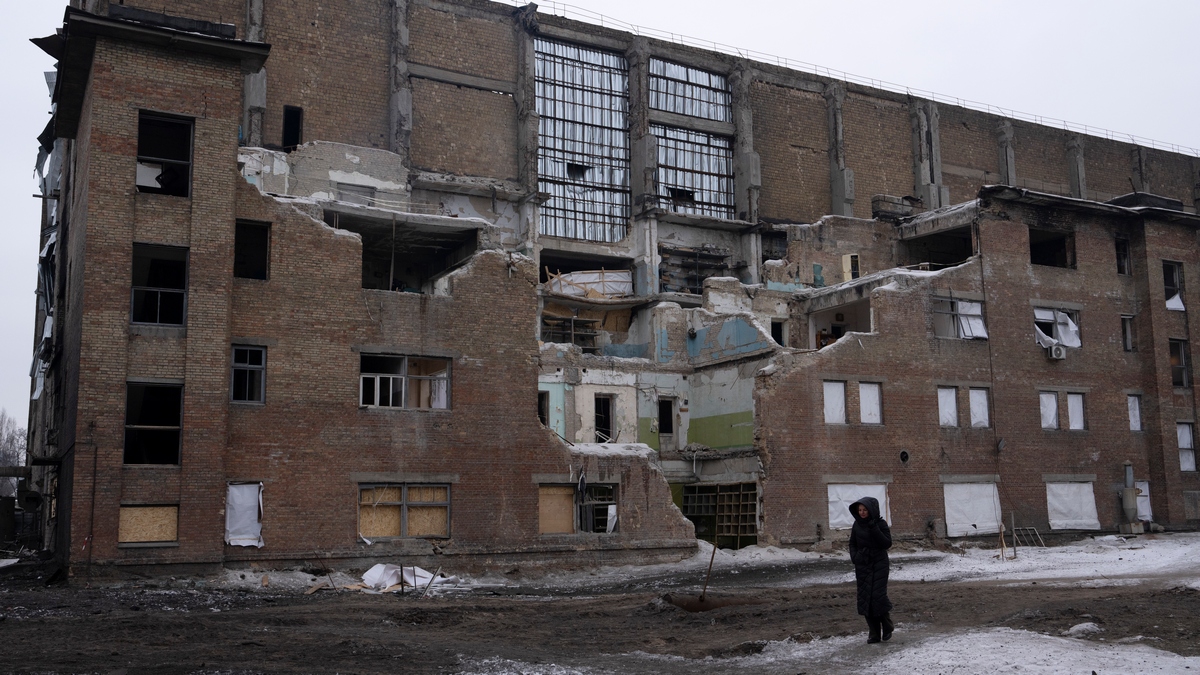
After a rocket attack on February 3, 2026, which destroyed Darnytskyy CHP-4 by approximately 90%, its owner — LLC "Euro-Rekonstruktsiya" owned by Anatoliy Shkriblyak — turned to the preventive restructuring mechanism. The company convened a meeting of creditors to consider the relevant plan, which is registered in the Supreme Court registry.
What does this procedure mean
Preventive restructuring is a tool that appeared in Ukraine on January 1, 2025, following amendments to the Bankruptcy Code of Procedures, signed by the president in October 2024. The goal is to identify insolvency risks before a company becomes bankrupt and to approve a debt restructuring plan with creditor consent.
In practice, this means payment installments: creditors of the Cherkasy "Khimvolokno" — Shkriblyak's second CHP — unanimously approved such a plan in early June, and the court approved it. The uncovered loss of the Cherkasy company at the end of 2025 exceeded 892 million hryvnias with negative equity.
Debts appeared before the attack
"Euro-Rekonstruktsiya" is the only private heat-generating company among Kyiv's CHPs; the rest belong to the community. The company provided heat and hot water to Darnytskyy and Dniprovskyi districts — more than 1,100 apartment buildings. Meanwhile, as reported by Kyiv Heat and Power, even before the attack, "Euro-Rekonstruktsiya" had not paid for the use of municipal heat networks for three years — the debt reached 1.5 billion hryvnias, and a case to recover it reached the Supreme Court.
"I don't think he has the ability to quickly attract the necessary billions of hryvnias to restore the station before next winter. Even before the war, the company had significant debts — 1.5 billion hryvnias to Kyivteploenergo alone."
Sergiy Makohon, energy expert, former head of the GTS Operator of Ukraine
How much does restoration cost and who pays for it
Director of energy programs at the Razumkov Centre Volodymyr Omelchenko estimates the full restoration of Darnytskyy CHP at approximately 700 million euros and at least three years of work. According to Kyiv City State Administration data, the company is currently conducting restoration work at its own expense as part of Kyiv's energy resilience plan. In parallel, the State Recovery Agency is building backup boiler houses for residents of Darnytskyy and Dniprovskyi districts — the estimated cost for Desnyanskyi alone is 8 to 10 billion hryvnias.
In that same 2025, when debts were accumulating, "Euro-Rekonstruktsiya" brought Shkriblyak 5.66 billion hryvnias in revenue — the highest figure among his three heat assets, according to Opendatabot. This makes the question of restructuring funding sources particularly concrete: debt to creditors existed simultaneously with profit from tariffs.
- Darnytskyy and Dniprovskyi districts — more than 1,100 buildings without their own heat source
- Debt to "Kyivteploenergo" — 1.5 billion hryvnias (before the attack)
- Estimated restoration value — ~700 million euros, timeframe — up to 3 years
- Precedent: Cherkasy CHP restructuring approved by creditors unanimously
If "Euro-Rekonstruktsiya" creditors approve the plan — as happened in Cherkasy — the company will receive payment installments and avoid bankruptcy. But the open question is not about debts: will "Kyivteploenergo," which is already owed 1.5 billion, sign the restructuring without guarantees of financing the restoration itself — and will it become a condition that Shkriblyak cannot meet before the heating season begins?