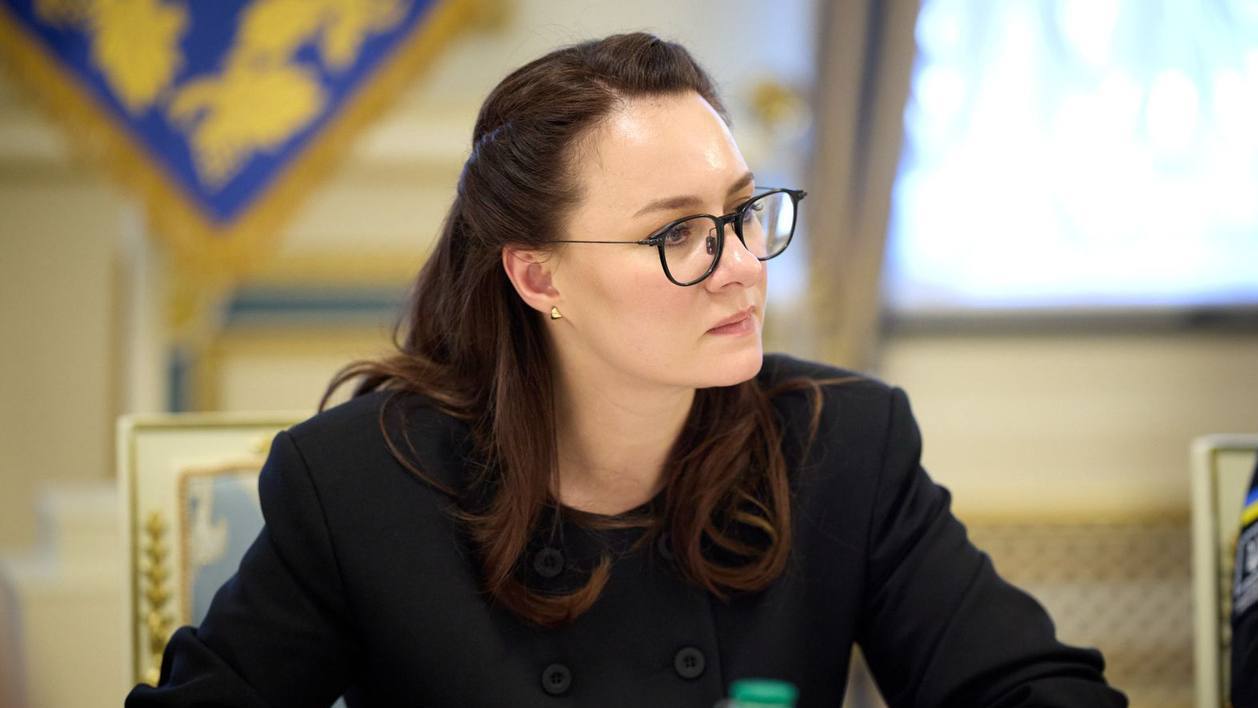
On June 29, Prime Minister Yulia Svyrydenko announced that the Cabinet of Ministers approved the procedure for using EU funds under the Ukraine Support Loan — the largest credit program from partners in three years of full-scale war.
What was approved
The loan totaling up to 90 billion euros is designed for 2026–2027 and is distributed equally: 45 billion per year. Of this amount, 60 billion euros constitute the defense component. This year, Ukraine expects 28.3 billion euros in defense support under the program. The first tranche of 3.2 billion euros was received by the state budget a few days earlier.
The approved procedure defines three channels for spending funds: import purchases of weapons and equipment, direct contracts with Ukrainian manufacturers, and purchases through international organizations according to their procedures — to accelerate the supply of components and finished weapons.
«European funds will be directed not only to weapons imports, but also to direct financing of contracts with Ukrainian manufacturers»
Yulia Svyrydenko, Prime Minister of Ukraine
Why this matters for Ukrainian defense industry
The scale of the problem this loan must solve is illustrated by one metric: according to the National Security and Defense Council, in 2025 the production capacity of Ukraine's defense industry is estimated at 35 billion dollars per year — but funding covers only half of these capabilities. As presidential advisor Herman Smetanin noted, current financing is the main limiting factor, not production capacity.
Over three years of full-scale invasion, Ukraine's defense industry increased weapons production 35 times. In 2024, more than 70% of Ukraine's defense procurement spending was directed to domestic production. By 2026, projected defense industry capabilities are estimated at 55 billion dollars. Funds from the Ukraine Support Loan directed directly to contracts with Ukrainian manufacturers are intended to fill the gap between potential and actual utilization.
Conditions not in the contract
Financing is tied to fulfilling conditions: rule of law, anti-corruption commitments, and transparency. Monitoring, audits, and reporting according to EU requirements will be implemented.
However, the most non-standard provision concerns debt repayment. According to the Ministry of Finance, Ukraine will begin repaying funds only after Russia pays reparations for damages caused. If reparations are not paid, the EU reserves the right to use frozen Russian assets for repayment. At the same time, European Commission documents contain no specific deadline for loan repayment.
In effect, Brussels deliberately issues a credit with no clear return date, tying it to a geopolitical event that may never occur — or may occur decades from now.
If in 2026–2027 Ukraine manages to load its own weapons manufacturers through the direct contract mechanism from this loan, the question of whether the Ukraine Support Loan will become an impetus for real defense industry development in the country will receive a concrete answer in production figures, not in government declarations.