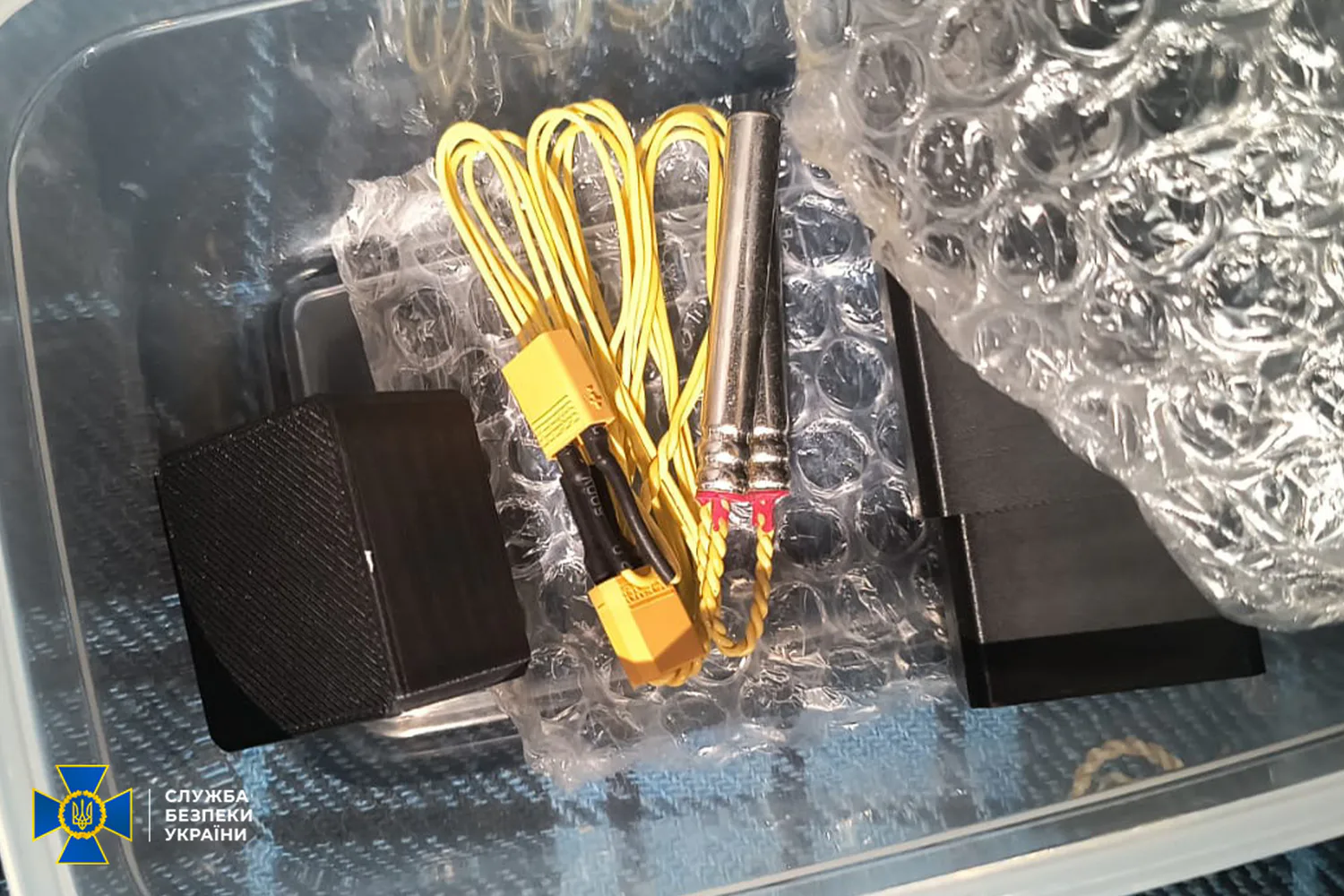
In central Kyiv, just meters from a tourist route, two women were preparing to kill a Ukrainian serviceman. The Security Service of Ukraine (SBU) stopped them before the explosives were planted — but not through agent surveillance of the suspects. Instead, they were caught due to a detail the perpetrators overlooked: a GPS tracker on the victim's vehicle was discovered before the operation entered its active phase.
Two women, two assignments, zero contact between them
According to the investigation, the agents operated in isolation from each other — a classic "cell" scheme where the failure of one does not expose the other. The first was an unemployed resident of Sumy region: promised "easy money," she came to Kyiv, checked into a hotel, and assembled a homemade explosive device following video instructions from her handler in Russia.
The woman hid the finished bomb in a cache at one of the capital's cemeteries. To avoid suspicion, she disguised herself as an elderly woman in a headscarf carrying flowers.
"Retrieving the IED from the cache and securing it with a GPS tracker under the serviceman's vehicle was assigned to another agent"
Security Service of Ukraine
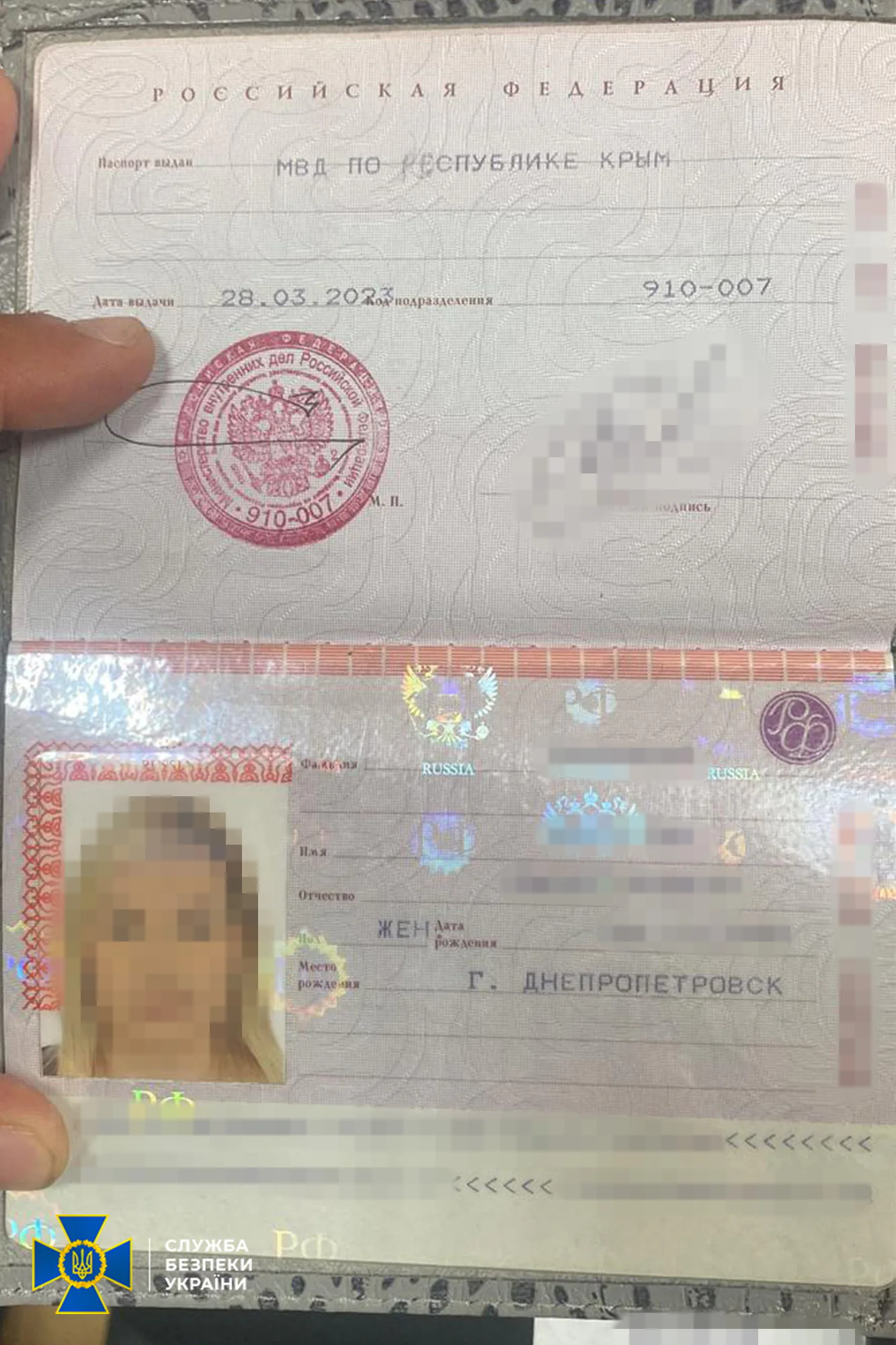
The second agent turned out to be a former confectionery shop owner from Sevastopol. When her business failed and debts accumulated, Russian intelligence services offered her a "way out." The woman arrived in Kyiv, where she initially conducted surveillance on the serviceman: documenting his locations and routes. She was supposed to be the one to finally plant the bomb under the car and detonate it remotely.
What caused the operation to fail
SBU officers discovered the GPS tracker on the serviceman's vehicle before the explosive was planted. This became the entry point into the operation: one of the agents was detained "red-handed" — at the moment she came to retrieve the bomb from the cemetery cache. The second was apprehended at her residence, where investigators found nearly 6 kilograms of explosives.
Both are in custody without the right to bail. Based on the evidence, they have been charged under several articles of the Criminal Code, including state treason during martial law and preparation of a terrorist act pursuant to a prior agreement. Both face life imprisonment.
Mass casualty as the objective
According to the SBU's assessment, an explosion in the pedestrian zone of Maidan was designed not only to kill the specific serviceman but also to cause mass casualties among civilians. Maidan Nezalezhnosti is one of the capital's most visited locations.
This is not the first such case: previously, the SBU detained a 24-year-old agent who detonated a serviceman's vehicle in Kyiv's Obolon district; a GRU agent who attempted to blow up a National Guard fighter received a 7.5-year prison sentence this year. The pattern of recruitment through financial vulnerability repeats systematically.
- Recruitment through debts or promises of easy money — both schemes have been tested on socially vulnerable Ukrainian citizens
- Isolated "cells" — the agents were unaware of each other, which was meant to protect the operation from exposure
- Cover operations in public places — a cache at a cemetery, disguise as an elderly civilian
- Prior surveillance before planting — the target was followed in advance
If the GPS tracker truly was the only thread that led to exposure of the operation, one question remains open: how many similar operations lacked such an obvious technical error on the enemy's part, and is Ukrainian military personnel in civilian environments a systematic target for targeted killings rather than merely collateral objectives?