Since August 2025, Ukraine has been conducting a systematic campaign of strikes against Russian oil infrastructure. What initially appeared to be tactical raids has taken on the characteristics of strategic pressure: according to Financial Times, 16 of 38 Russian refineries have sustained damage, and diesel exports have fallen to levels not seen since 2020.
A billion dollars per week
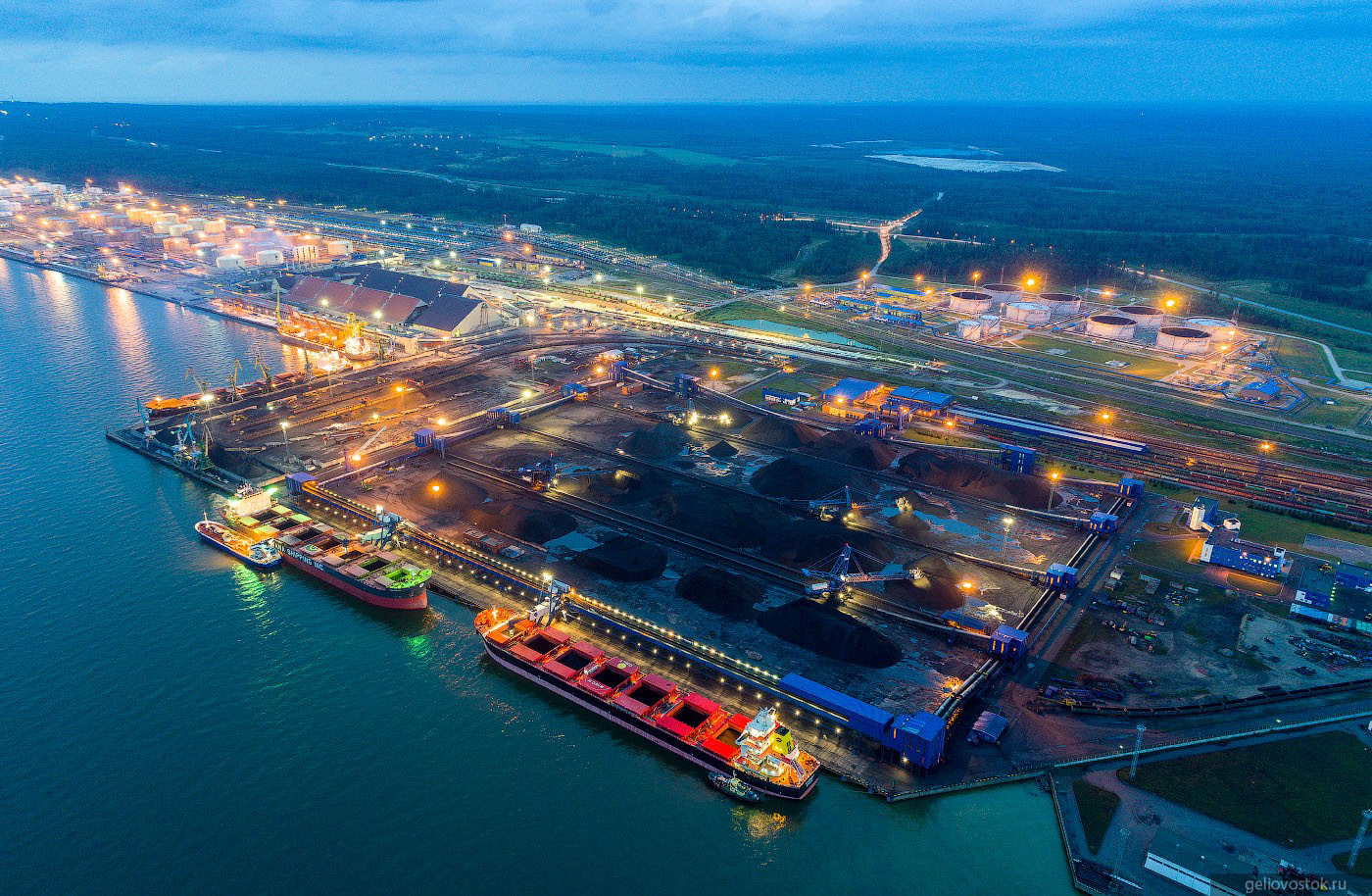
Strikes on Baltic Sea oil terminals — Primorsk and Ust-Luga — halted the loading of petroleum products for several days. According to Bloomberg's estimates, this series of attacks alone cost Russia over $1 billion in lost oil revenue, while maritime shipments through the Baltic fell to their lowest level since the start of the full-scale invasion in 2022.
According to traders, due to damage at Ust-Luga, oil refiners were forced to reduce production to a minimum. The research group Energy Aspects told FT that total losses of refining capacity exceed 1 million barrels per day — which pushed exports below pre-war levels.
What intelligence confirms
In October, FT revealed that the United States has been providing Ukraine with intelligence data since summer 2025 for planning strikes against energy infrastructure. As The Moscow Times reports, citing the FT material, coordination includes flight routes, altitude, and timing — to circumvent Russian air defense. One American official clarified: Kyiv independently selects targets, Washington provides data about their vulnerabilities. Neither side has officially acknowledged this cooperation.
Drones outpace air defense
A source close to Russia's Ministry of Defense acknowledged to FT that Ukrainian manufacturers of long-range drones have already surpassed the Russian defense-industrial complex. Constant strikes against Ukrainian manufacturers have not stopped their development — and this non-public acknowledgment reflects a systemic problem, not a one-time miscalculation.
The Atlantic Council, analyzing Reuters data, confirms that as of autumn 2025, Ukraine has disabled approximately 10% of Russia's total refining capacity. Carnegie Endowment estimates the upper limit of potential losses — up to 38%, if all 16 damaged plants come to a complete halt.
"Ust-Luga stopped receiving gasoline and fuel oil on Wednesday. In a few days, we will be forced to reduce operations to a minimum, and then potentially shut down the units."
— oil refinery specialist, Reuters
The boundary between tactics and strategy
The oil sector provides a critical portion of the Kremlin's budget revenues, which finance the war. Strikes on refineries hit two points simultaneously: they reduce foreign exchange earnings from exports and cut domestic diesel production — fuel without which neither civilian logistics nor armored vehicles can operate.
- 16 of 38 refineries damaged since August 2025
- Over 1 million barrels per day — lost refining capacity (Energy Aspects)
- Diesel exports — at minimum levels since 2020
- Losses from Baltic strikes alone — over $1 billion (Bloomberg)
If the United States maintains intelligence support in its current format, and Ukraine continues to scale up production of long-range drones, the question is not whether Russia will withstand the pressure on its oil sector — but rather how many months it will take before budget losses begin to directly impact the pace of weapons supplies to the front.







