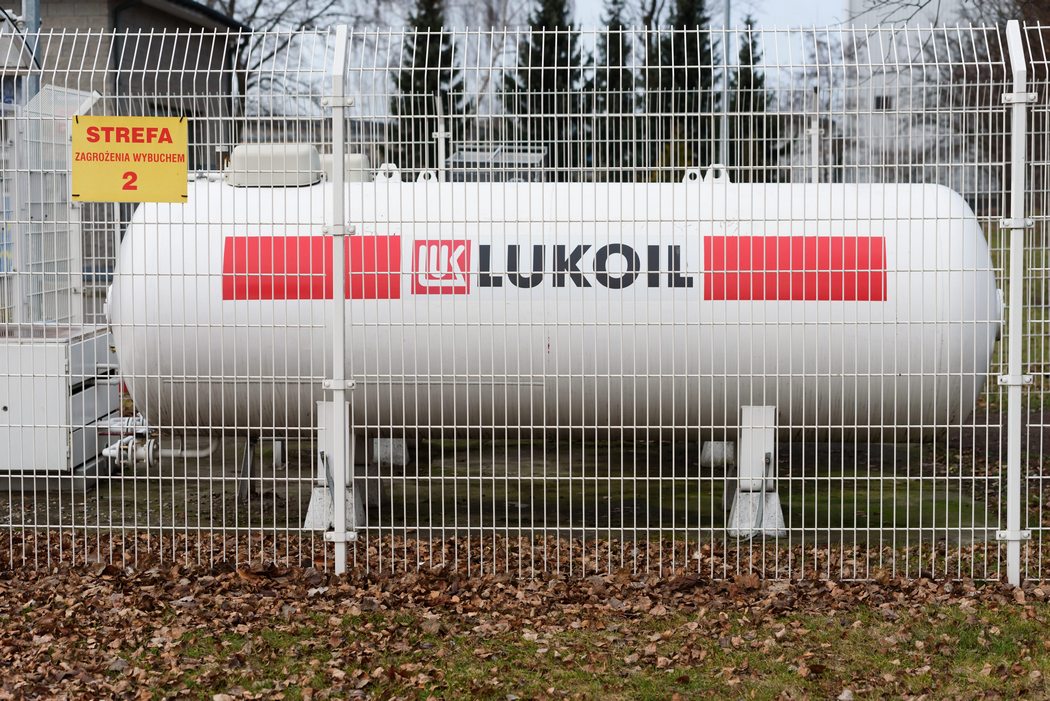
Maritime exports of Russian crude oil through Baltic Sea ports fell by 15% in November compared with the October peak. This is seen as the first noticeable result of the restrictions introduced by the United States on Lukoil and Rosneft.
Changes in volumes and fleet
In November, 10.104 million tonnes of crude oil were shipped from Baltic ports — 1.78 million tonnes less than in October, when volumes reached 11.886 million tonnes.
The number of tankers involved in exporting Russian oil fell from 99 in October to 87 in November. At the time the data were published, 75 of the 87 vessels were still at sea.
The emergence of the first effect
A monitoring group recorded a rapid reduction in shipments in the first days after the sanctions were imposed, followed by a slowdown in the decline as companies adapted to the new restrictions.
"Yes, this is the first effect on maritime exports of Trump's sanctions on Lukoil and Rosneft — more precisely 'the effect of the first scare.' It's too early to draw further conclusions — we'll see by the end of December, not before"
– Andriy Klymenko
Observers say the largest reduction occurred in the first 10 days after the sanctions were announced — then the drop reached about 31%. Later the fall in volumes slowed as operators sought ways to circumvent or adapt to the restrictions.
Estimates of economic losses
The Baltic route remains key for maritime exports of Russian oil — it accounts for 50% to 60% of all seaborne energy exports.
- On October 22 the United States imposed sanctions on major Russian oil companies and demanded that Moscow agree to a ceasefire.
- According to estimates by the Foreign Intelligence Service, Russia's losses from oil sanctions could reach $50 billion a year; President Volodymyr Zelensky had cited a rough figure of about $5 billion a month.







