Briefly
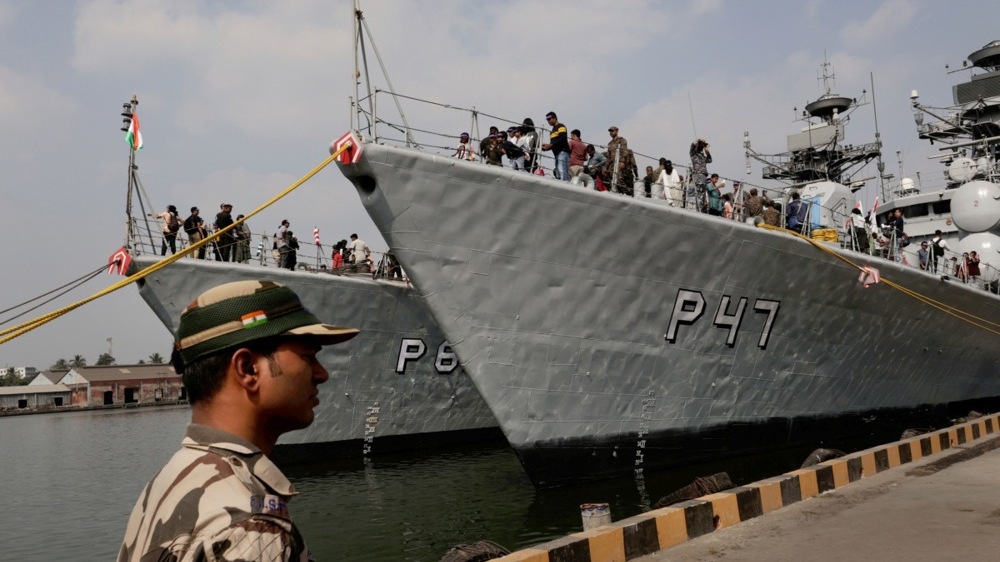
According to Bloomberg, India is deploying additional warships in the Gulf of Oman and the northern Arabian Sea to escort its tankers. It has been stated that the ships will not enter the Strait of Hormuz — their task is to escort vessels to safer waters in the northern Arabian Sea.
Why this is happening
The conflict in the Middle East has caused significant disruptions to maritime energy supplies. The International Energy Agency (IEA) estimates that in 2025 an average of 20 million barrels of oil and oil products per day passed through the Strait of Hormuz — roughly a quarter of global seaborne oil trade. Options to bypass the strait are limited, so import-dependent countries are forced to seek operational solutions without escalation.
“In 2025 an average of 20 million barrels of oil and oil products per day passed through the Strait of Hormuz — about 25% of global seaborne oil trade.”
— International Energy Agency (IEA)
What exactly India is doing
Sources cited by Bloomberg say the Indian Navy is deploying more than half a dozen ships, including logistics vessels, as a precautionary measure. The decision combines naval presence with diplomacy: talks with Iran on allowing fuel ships to pass are ongoing, and there have already been cases of safe passage for vessels under the Indian flag (according to Reuters after a phone call between the foreign ministers).
Impact on India and the world
For India this is a pragmatic move: to secure critical energy supplies without direct confrontations. The Financial Times has already noted domestic consequences of the energy crisis in India — from interruptions in gas supplies for crematoria to problems in food service. These local disruptions increase pressure on the government and motivate prompt action to secure routes.
What it means for Ukraine
Risks on maritime routes are costly for importers — rising oil and gas prices quickly show up in fuel costs. Ukrainian analysts are already recording a sharp increase in fuel prices and concerns about reserves — LIGA.net has written on this, and experts, including the deputy director of the Association of Energy and Natural Resources of Ukraine, Andriy Zakrevskyi, have explained the mechanisms by which global shocks affect domestic markets.
Practical takeaway for Ukraine: even distant geopolitical events increase the importance of supply diversification, strategic reserves, and diplomatic coordination with partners. India’s actions show that mid-sized players can reduce risks through a combination of naval presence and negotiations — an approach worth considering in our energy security planning.
Interim conclusion
The deployment of the Indian fleet in the Gulf of Oman is a pragmatic response to real logistical risks. It does not solve the problem of a global shortage, but it lowers the likelihood of incidents for Indian vessels. For Ukraine this is another signal: markets far from the front lines can still generate immediate economic risks, so external diplomacy and internal preparedness must go hand in hand.
Now the ball is with the partners: will diplomatic agreements be turned into stable routes, and will this accelerate efforts to diversify supplies — questions for the coming weeks.







