What it’s about
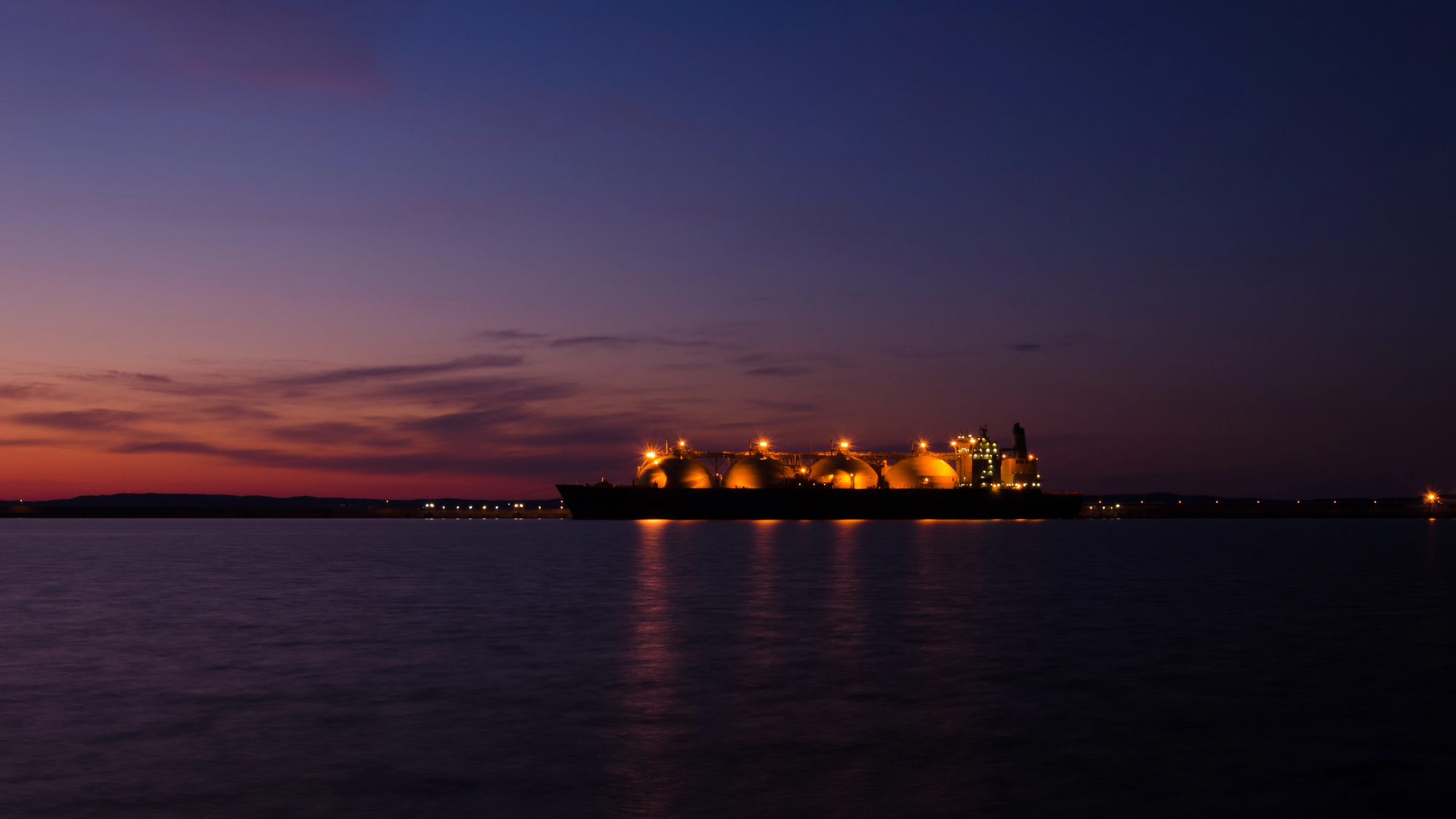
According to Reuters, India is preparing to resume purchases of liquefied natural gas (LNG) from Russia for the first time since the start of the full-scale Russia–Ukraine war. Agency sources say an oral agreement to enter negotiations was reached during a March 19 meeting between Russian Deputy Energy Minister Pavel Sorokin and India’s Minister of Petroleum and Natural Gas Hardeep Singh Puri, and final agreements could be concluded within a few weeks.
Key facts
– India has reportedly told its importers to prepare for the resumption of Russian LNG deliveries and has simultaneously approached Washington about a possible lifting or easing of sanctions restrictions (source: Reuters; context — an OFAC license that was in effect until April 4).
– The talks were not only about gas: Reuters interlocutors say that sales of Russian crude oil to India could rise and even double compared with January levels — to at least ~40% of India’s total imports.
– The Russian side also offered projects in the electricity transmission sector (company Rosseti) for remote and mountainous regions of India, reflecting a broader vector of cooperation, not just commodity trade.
"India is preparing to resume purchases of liquefied natural gas (LNG) from Russia for the first time since the start of the full-scale war."
— Reuters
"Crematoria stopped using gas to cremate the dead, restaurants stopped deep-frying food due to a gas shortage."
— Financial Times (on the consequences of the energy crisis in India)
Why this matters — in simple terms
Credibility and pragmatism. This news matters not only for energy markets: it shows how major powers will balance energy security, economic interests and political pressure from the United States. A flow of LNG and crude oil from Russia to one of the world’s largest importers reduces Moscow’s price and political vulnerability.
Framing for Ukraine. For us this is not only about fuel prices. Increased purchases by Russia mean an additional inflow of foreign currency to Moscow, which sustains its economic capacity to wage war. It also undermines the effectiveness of Western sanctions as a tool of pressure.
Reinforcing evidence. Reuters, the FT and analyses (including CREA data on Russia’s revenues from fossil-fuel exports) converge into a picture: sanctions do not work automatically — their strength depends on the actions of third countries and on the flexibility of partners, including the United States (the temporary OFAC license on tanker oil sales was a vivid example).
Consequences and scenarios
1) Short-term: a possible easing of the price shock for India, but simultaneously a strengthening of Russia’s revenue inflows. This could somewhat stabilize markets, but retains risks for the resilience of sanctions.
2) Medium-term: if India increases purchases of energy from Moscow, Russia’s geopolitical weight in Asian markets grows — and this complicates coordination of sanctions policy between the US and its partners.
3) For Ukraine: the direct effect is additional sources of financing for the aggressor. The indirect effect is increased pressure on our diplomacy, which must explain to partners the strategic harm of Russia’s return to large markets.
What to expect next
Diplomacy between Washington and New Delhi will be a key factor. The United States has already shown willingness to temporarily adapt sanctions to India’s energy needs; whether such exceptions will become long-term preferences is a question of political compromise. Analysts also note that India’s economic situation (per the FT) increases its pragmatism in energy purchases.
Forecast. In the coming months, a partial resumption of Russian LNG supplies to India could occur as a temporary mechanism to lower domestic price pressure. If, however, agreements evolve into long-term contracts and infrastructure projects (power grids, joint terminals), that would represent a structural shift in the balance of energy relations in the region — with negative implications for the effectiveness of sanctions against Russia.
Conclusion
This decision is more than a trade deal: it tests the limits of the sanctions architecture and diplomatic consensus between the West and Asia. For Ukraine, the key task is to persuade partners that the short-term economic benefit of cooperating with Moscow must be weighed against long-term risks to European and global security. Whether these talks turn into real contracts — and on what terms — will determine how effective the international response to Russia’s aggression remains.







