Short and to the point
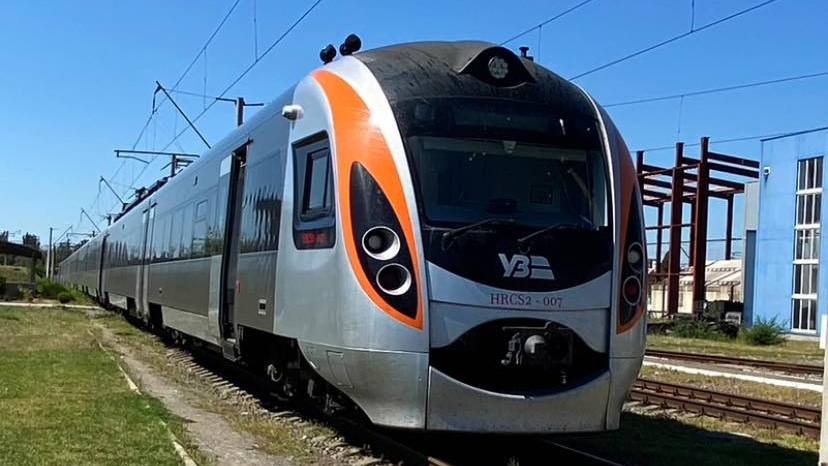
Ukrzaliznytsia has temporarily restricted Intercity train services on the Kyiv—Kharkiv section: they will run only as far as Poltava, after which passengers can transfer to connecting services to Kharkiv. The company's decision is explained by a combination of power supply problems and risks to infrastructure.
Official version
"We currently have a temporary restriction on the operation of Intercity trains on the section up to Poltava, with connecting services to Kharkiv in sleeper carriages"
— Press service of JSC "Ukrzaliznytsia"
"For passenger convenience and timelier arrivals, timetables have been adjusted: connecting services have been introduced. Restoration work is currently underway, and security measures have been strengthened to restore full Intercity operations"
— Press service of JSC "Ukrzaliznytsia"
Why this happened
First, due to power supply restrictions on the Kharkiv—Poltava section, trains have had to use reserve diesel locomotives, leading to delays of up to three hours and even arrivals after the start of curfew. Second, there has been an uptick in attacks on rail infrastructure in recent weeks: more than 20 strikes on facilities in early March and a nighttime drone attack that damaged substations and bridges (in particular, on 7 March substations in Zhytomyr, Khmelnytskyi and Vinnytsia regions and several bridges were hit). This creates additional risks for the regular and safe operation of high-speed trains.
What it means for passengers
Practice: a purchased Intercity ticket from Kyiv to Kharkiv now entails a transfer in Poltava to a connecting service. This adds transfers and may change travel time, but reduces the risk of significant delays related to the use of reserve traction and uneven power supply.
Important: other routes to/from Kharkiv are currently running unchanged — this provides alternatives for trip planning.
Economic and logistical context
Ukrzaliznytsia is operating under double pressure: technical and security challenges are compounded by financial problems. According to industry publications, only 5–7% of passenger routes are profitable, while suburban services operate at a loss. In early 2026 the company defaulted on its eurobonds, and on 2 March the Cabinet of Ministers allocated UAH 16 billion to finance the state order for passenger transportation in 2026. All of this affects the ability to quickly restore full routes and invest in infrastructure repairs.
What to do now
- Check the schedule and the status of your train on Ukrzaliznytsia’s official website or in the mobile app before departure.
- Allow extra time for transfers in Poltava; book tickets in advance if you need specific seats on the connecting trains.
- Where possible, consider alternative routes or modes of transport — especially at night, when the risks of infrastructure damage are higher.
- Follow instructions from railway staff regarding safety while traveling and while waiting at stations.
Conclusion
This decision is an example of how the combination of technical problems, power supply limitations and wartime risks forces operators to change operating practices in favor of safety and operational reliability. Full restoration of Intercity services is promised by the end of March, but everything depends on the stability of power supply and the condition of infrastructure. Whether promises turn into real timetables is a question for the operators and for the situation on the front lines and in the energy sector.
Transport experts and analysts emphasize: operational route adjustments now are not only about comfort, but about safety and maintaining the ability to transport people even under difficult conditions.