A Quiet Restart — Significant Consequences
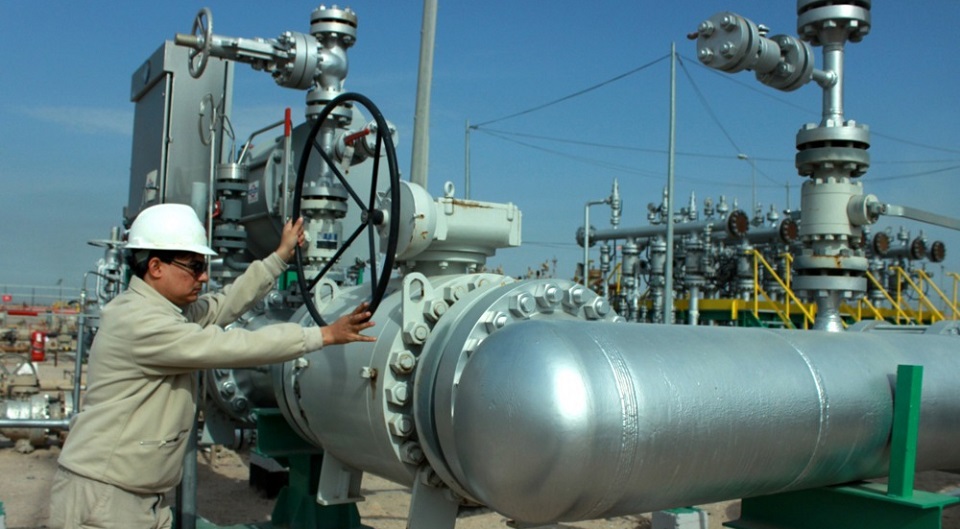
Iraq and the semi-autonomous Kurdistan have agreed to resume oil exports via a pipeline across Kurdistan territory to the Turkish port of Ceyhan. The Kurdish outlet Rudaw reported the resumption citing Iraq’s oil minister Hayyan Abdul Ghani; pumping is scheduled to begin on Wednesday at 10:00 local time.
What this Means for Supplies and the Market
The Iraq–Turkey pipeline is currently the only alternative route bypassing the Strait of Hormuz, through which the majority of Iraqi exports traditionally flowed. Iran’s blockade of that waterway has sharply reduced Iraq’s output: according to Bloomberg, before the crisis the country produced up to 4.3 million barrels per day, whereas now it is roughly 1.3–1.4 million.
Baghdad has officially asked Erbil to allow transportation of up to 300,000 barrels per day from federal fields plus about 200,000 barrels from Kurdish fields — roughly 500,000 barrels per day in total, which could partially offset the shortfall on the global market.
"This is a step taken under emergency circumstances"
— Masrour Barzani, Prime Minister of Kurdistan
Conditions and Political Risk
Erbil agreed but stresses this is not a free concession. Kurdistan is demanding the lifting of restrictions on imports and trade movement in the region and security guarantees for oil and gas companies so they can resume production. Barzani thanked the U.S. for mediating — a fact that underscores external influence on the deal while also lending it temporary stability.
The political tension between Baghdad and Erbil over revenue sharing and control of fields remains the main risk: halting transportation has been used as a pressure tool before, and the practice could be repeated if agreements are not legally cemented.
Context for Ukraine
When it comes to global oil supplies, the effects are also felt by the Ukrainian fuel market. As LIGA.net has already explained, higher fuel costs and pressure on supply chains can lead to rising prices for consumers and businesses. Resuming flows through Ceyhan may provide short-term relief on global markets, but it will not remove the fundamental risks — primarily due to political uncertainty and reduced production in the region.
Conclusion
Deals of this kind work better when they include technical guarantees and political mechanisms that reduce the likelihood of further interruptions. For Ukraine, this means: even positive news on the global energy front requires careful monitoring — and readiness for price volatility. Whether this restart becomes a stable source of supply depends on whether Baghdad and Erbil can lock in terms beyond rhetoric and adequately guarantee investor security.
Sources: Rudaw, Bloomberg, LIGA.net.







