The government allocated another 2 billion hryvnias to Kyiv for winter preparations — in addition to nearly 2 billion distributed earlier. The total amount of state funding for the capital during April–May reached almost 4 billion hryvnias. But money in this story is not the main thing.
Where this money is going and what for
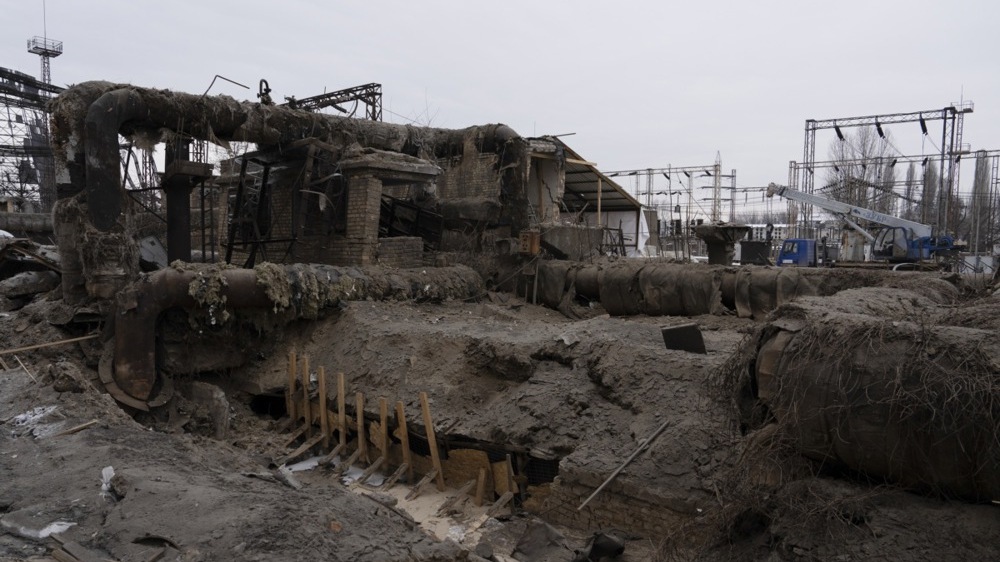
According to Vice Prime Minister Oleksii Kuleba, the funding structure is as follows: 987 million hryvnias — for priority protection measures, another 967 million hryvnias — an advance for distributed heat generation equipment. The new 2 billion hryvnias are divided between two directions: 1.2 billion hryvnias — for engineering and technical protection of critical infrastructure facilities, the remaining 800 million hryvnias — for backup heat sources in the coverage area of the two capital's thermal power plants.
Prime Minister Yulia Svyrydenko, announcing the decision, immediately established accountability: the money has been allocated, but quality and timely preparation is the responsibility of city authorities.
"The additional financial resources for the capital should be directed at protecting people from heating supply disruptions in winter".
Yulia Svyrydenko, Prime Minister of Ukraine
Conflict behind the scenes
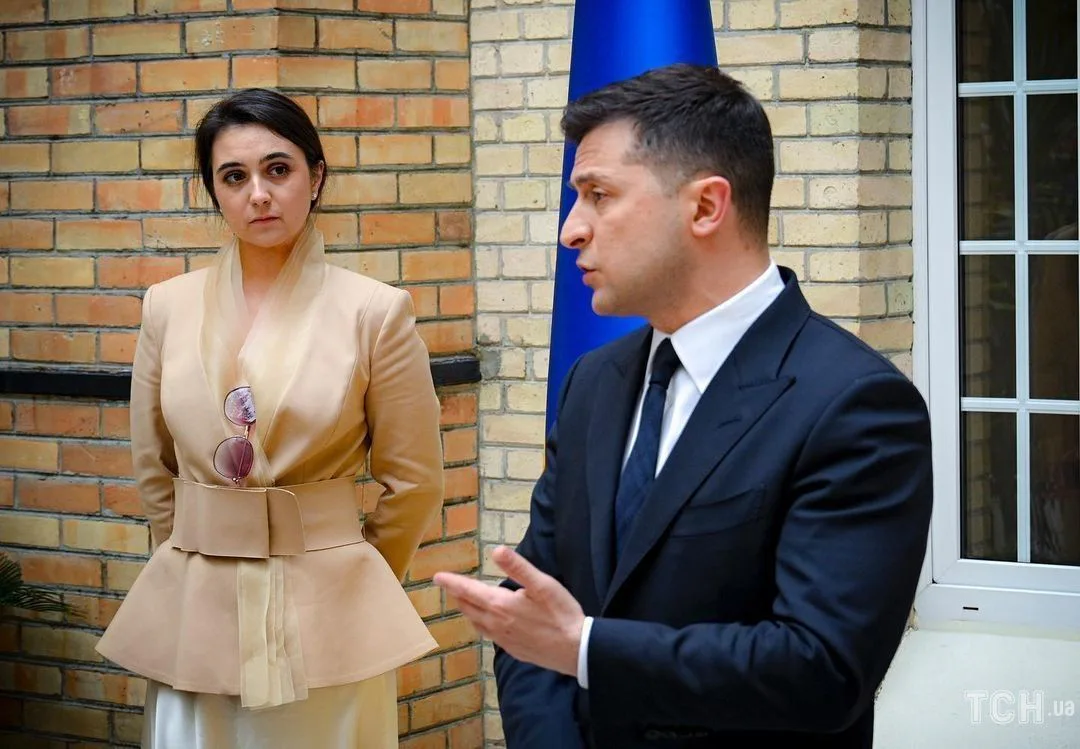
Public rhetoric is not merely pressure on executors. It is part of an ongoing confrontation between the Cabinet and Klitschko. Kuleba stated that the pace of Kyiv's preparations "does not match either the level of threats or the volume of state funding," and gave Kyiv until May 10 — to provide work schedules and sign contracts. After this date, he promised to "assess the management capabilities" of Kyiv City State Administration leadership.
Klitschko responded: the money is insufficient anyway. According to his calculations, just to restore thermal power plant-5 and create a backup heat supply system, approximately 9 billion hryvnias is needed, and the capital still cannot find another 3 billion hryvnias. Additionally, the mayor publicly accused the Ministry of Development of initially promising to help find contractors for thermal power plant-5, and then claiming it is the city's responsibility.
There is also a conceptual disagreement: the Cabinet is betting on decentralized heat supply — mobile boiler houses and cogeneration units. The mayor's office believes that without basic repair of the thermal power plants, the city simply will not be able to start the heating season, and decentralization is merely a backup option.
What has been done and what is lacking
- In a separate decision, the Cabinet allocated 3 billion hryvnias for the installation of 216 block-modular boiler houses throughout the country.
- The National Security and Defense Council approved "Resilience Plans" for all regions and regional centers on March 3 — Kyiv was included in the list later than the rest.
- Kyiv City Council previously requested 15 billion hryvnias from the state budget — the government allocated less than a third of the request.
Mobile boiler houses and cogeneration units physically cannot replace the capacity of two thermal power plants if they go into repairs or are hit again. This is not the opinion of the mayor's office — it is a technical reality that neither side publicly disputes.
If by May 10 Kyiv does not provide the Cabinet with signed contracts and work schedules — will the government use this as a pretext for changing Kyiv City State Administration leadership, or will it limit itself to another public warning?