Why this matters right now
The Cabinet of Ministers changed the procedure for codifying weapons and military equipment to shorten the time from development to delivery to units of the Defense Forces. At a time when speed affects the survival of positions, such administrative changes have a direct operational effect — from logistics to tactical decisions at the front.
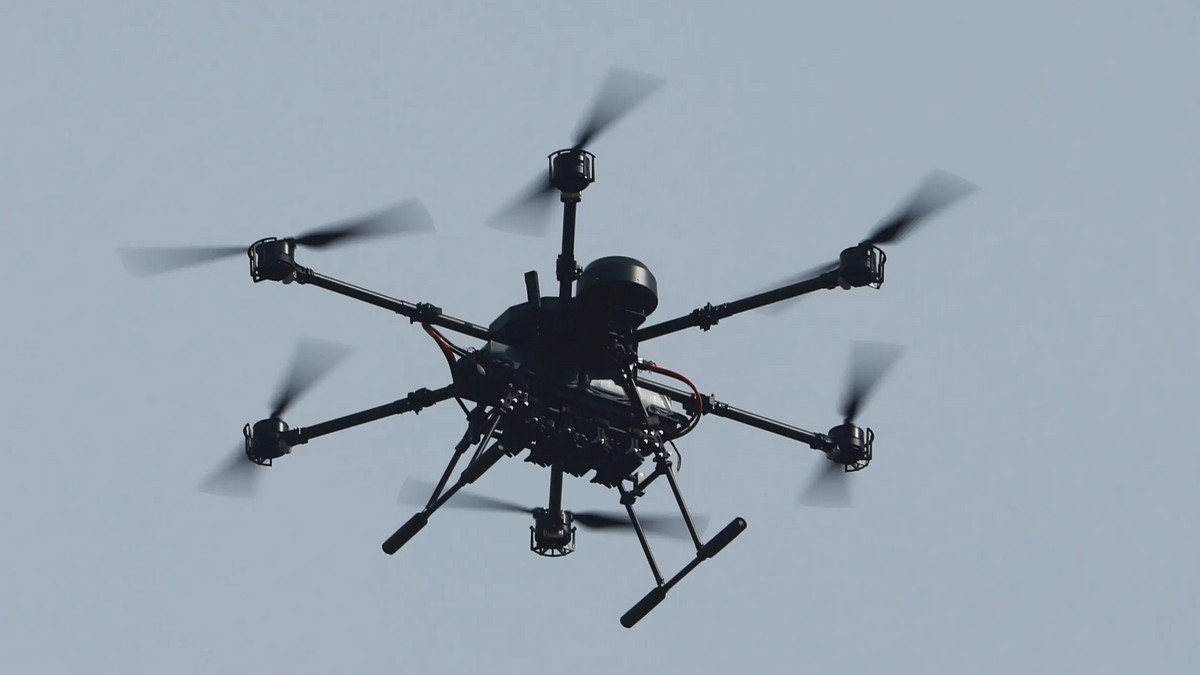
"Ukraine opened the market for drones, electronic warfare (EW), NRK, rockets and other innovative solutions, simplified bureaucracy and created conditions for the development of Ukrainian manufacturers. That is why entire technological markets have formed that did not exist before. At the start of the invasion there were seven companies in Ukraine making drones. Today — more than 500. EW — there were two companies, today — 200. Private companies that produced missiles did not exist at all; today — more than 20. NRK — there were zero companies, now — more than 100. Now we are taking the next step to accelerate the development of technologies and shorten the cycle from weapons development to their supply to the front."
— Ministry of Defense of Ukraine
What exactly was simplified
Key changes announced by the government:
- the technical evaluation of a product can now be carried out regardless of the presence of a state order, removing a bottleneck at the codification stage;
- manufacturers can independently approve technical specifications for their products, but bear full responsibility for their content;
- the codification of ammunition can proceed without additional demonstration tests provided there was prior participation by a state customer;
- for tactical unmanned systems and electronic warfare equipment a manufacturer's quality certificate is sufficient — without additional state procedures;
- explosive substances have been added to the list of goods available under the simplified defense procedure, allowing ammunition to be supplied more rapidly.
Why it works (and for whom)
The reform accelerates the commercial cycle: when a manufacturer does not wait for a state order to codify, innovations reach the market and battlefield testing more quickly. This benefits both the army — faster and more adaptive supplies — and the economy: the share of private manufacturers increases, jobs appear and export potential grows. The example already mentioned — the shift from a handful of companies to hundreds in key niches — serves as social proof of the model’s viability.
Risks and safeguards
Simplifying procedures increases speed, but at the same time raises the role of self-certification. Therefore state bodies must focus on post-market control, certification of critical components and strict sanctions for violations of technical specifications. Without such a balance, speed can become a risk to the safety of units.
Context: from importer to exporter
Over recent years Ukraine’s defense industry has undergone an intensive transformation: from a country that imported weapons it evolved into a producer and exporter. As early as 2026 Ukraine began exporting military goods and services — a marker of partners’ trust and the effectiveness of the local industry that grew under wartime conditions.
Short conclusion: the Cabinet’s decision is a practical response to the need to speed up supplies and scale domestic industry. But success will depend on whether the state can combine speed with strict quality control. The next stage is to turn administrative relaxations into real deliveries and standards that will save lives at the front.







