What was approved
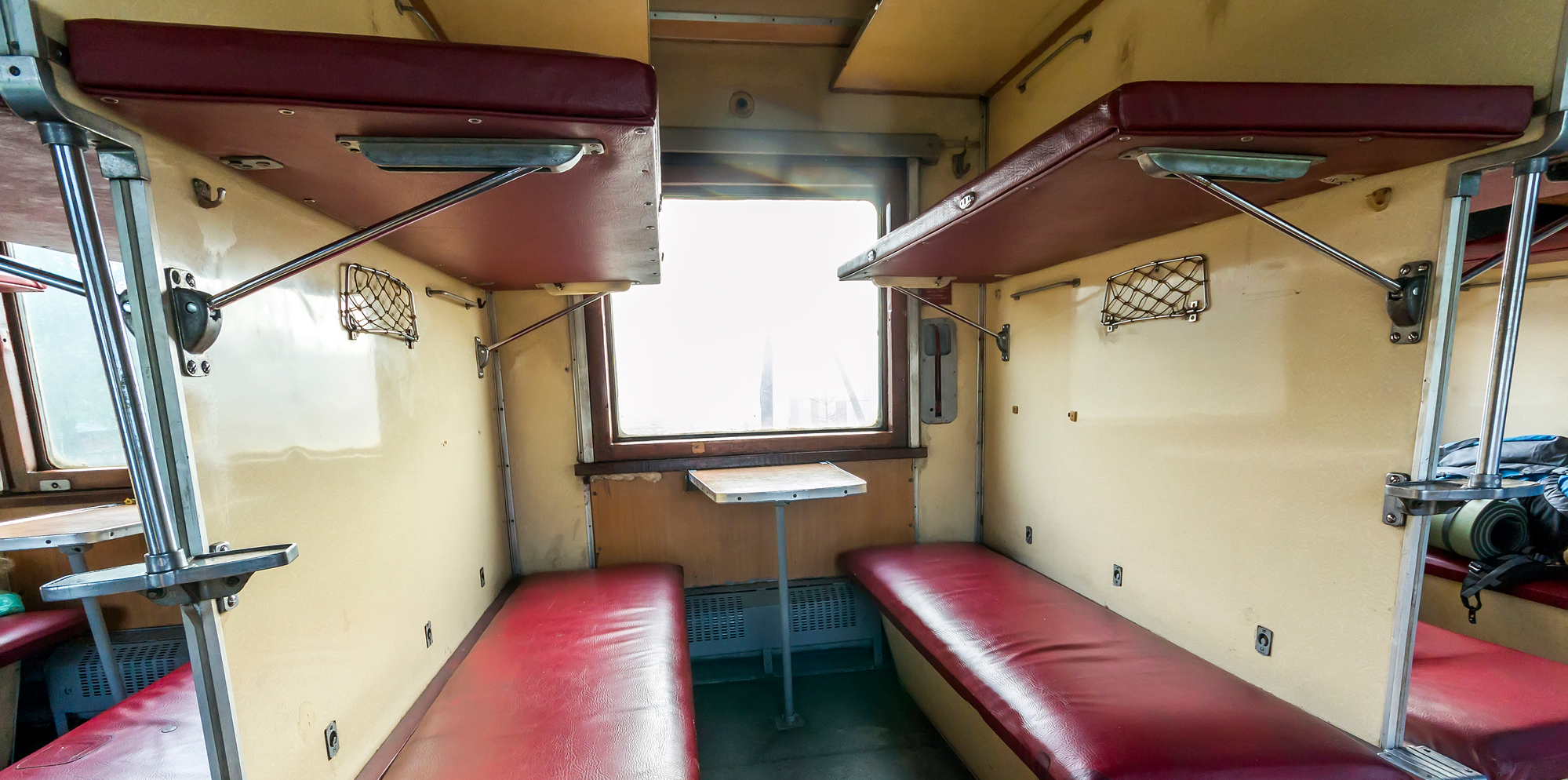
The Cabinet of Ministers is introducing a state order for passenger rail transport in the economy segment. In 2026 the volume of such support will amount to UAH 16 billion, said Oleksii Kuleba, Minister for Communities and Territories Development. Under the decision, these funds will cover the difference between the actual cost of transportation and the ticket price, which will remain unchanged for passengers.
"We are moving to a transparent and understandable financing model — the way it works in Europe"
— Oleksii Kuleba, Minister for Communities and Territories Development
Why it matters
In effect, the government is acknowledging the gap between the tariff and the cost: as the minister said, the cost on average exceeds current economy fares by more than three times. State subsidies have two main goals: to preserve the affordability of rail transport for citizens and to reduce the financial burden on JSC "Ukrzaliznytsia", which suffered billion-hryvnia losses in 2025 and at the beginning of 2026 defaulted on its eurobonds.
Who this will affect
Economy-class passengers will effectively not feel a price increase — tickets will remain at their current level. At the same time, dynamic pricing is being introduced for the premium segment, which will not be subsidized. The idea is that this will put an end to cross-subsidization between routes and services within the company.
Context and risks
Ukrzaliznytsia's current revenue structure is uneven: only about 5–7% of passenger routes are profitable, while suburban services are loss-making. The allocated UAH 16 billion temporarily plugs the gap, but it is not a panacea. The effect will depend on accompanying measures — a transparent payment mechanism, clear efficiency criteria and governance reforms of the company. Analysts and transport experts emphasize the need to monitor the use of funds so that the assistance does not become merely short-term relief.
What's next
If state support is combined with real reforms in tariff policy and management, it could stabilize Ukrzaliznytsia's balance sheet and reduce the burden on the budget in the long run. If the mechanisms for allocating the money remain non-transparent, the risk of renewed financial deterioration will persist.
Question for the government and society: will UAH 16 billion become a starting point for systemic changes in transport policy, rather than merely a temporary compensation? The answer will determine how long the railway remains a reliable national artery — and whether we can maintain affordable service for millions of Ukrainians.







