What happened
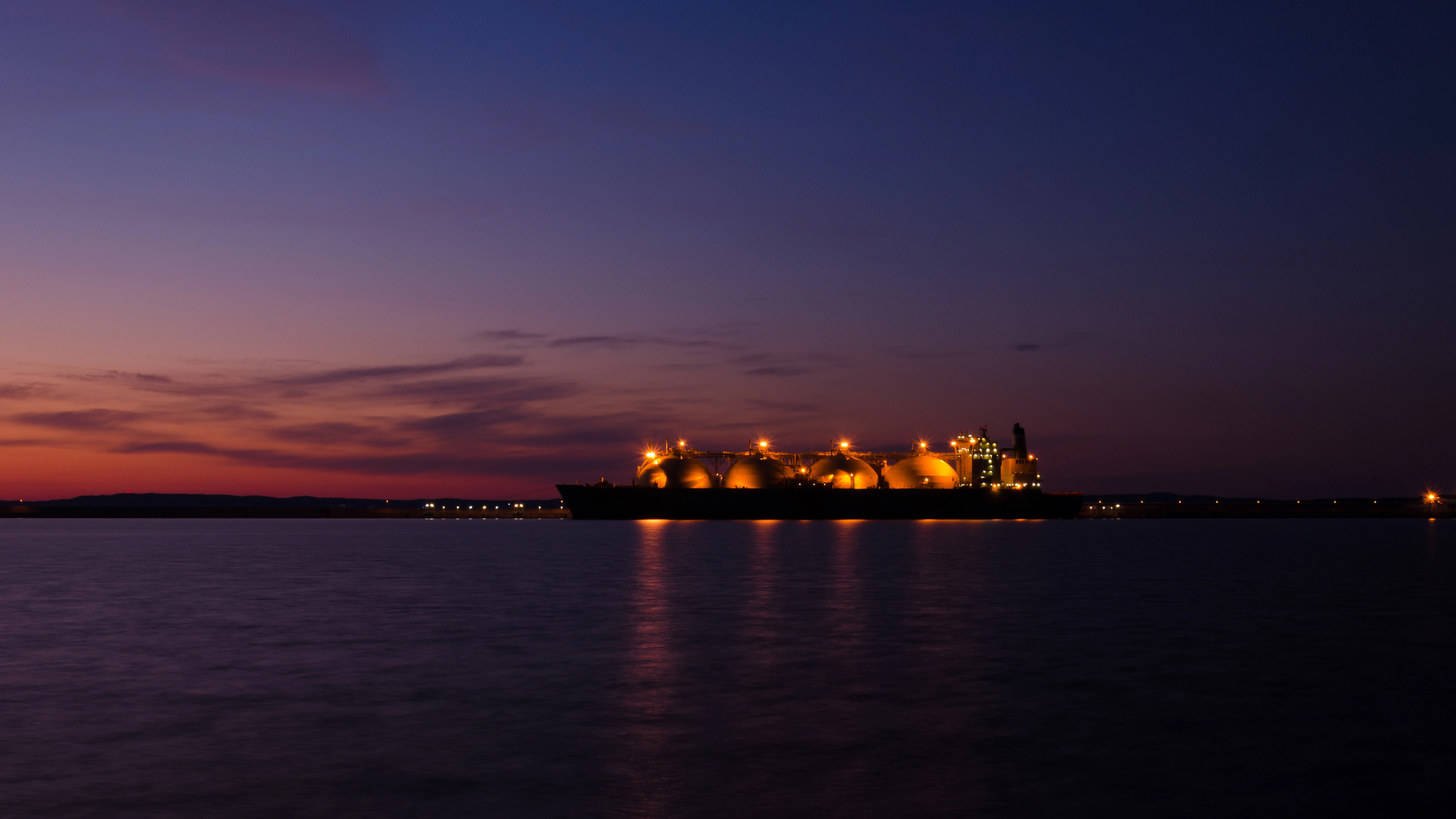
Bloomberg reports that the tanker Lebrethah departed from Qatar's LNG export complex — its draft increased, indicating loading. The vessel listed its destination as Bangladesh (estimated arrival March 14), but it still needs to transit the Strait of Hormuz, whose passage has been complicated since the start of the conflict.
Context and reasons
QatarEnergy on Wednesday declared force majeure after the March 2 attack on a key LNG complex: the company suspended liquefaction and said that a return to normal volumes could take at least a month. At the same time, LNG can be loaded from terminal storage tanks even after production has stopped — so the dispatch of a single tanker does not necessarily mean a full resumption of exports.
"War in Iran will not have an immediate impact on the security of oil and gas supplies to the European Union."
— European Commission
Why this matters for the market and for Ukraine
A few key takeaways: first, Qatar is the world's second-largest LNG producer; any disruption to its exports could have a noticeable effect on the global market. Second, single shipments from storage can temporarily ease pressure, but they will not eliminate the risk of shortages if production remains at low levels.
For Ukraine, the practical consequences are important: competition for tankers and spot deliveries will increase, which could push prices up. This underlines the need to diversify sources, strengthen import mechanisms, and build up reserves — not as a political message, but as an element of energy security during wartime.
Conclusion
One shipment does not create a trend, but it serves as an indicator: it is worth monitoring loading dynamics in Qatar and fluctuations in spot prices. Ukraine and its partners now need concrete contracts and logistical solutions rather than declarations — because energy reliability today is directly linked to our country's security capabilities.







