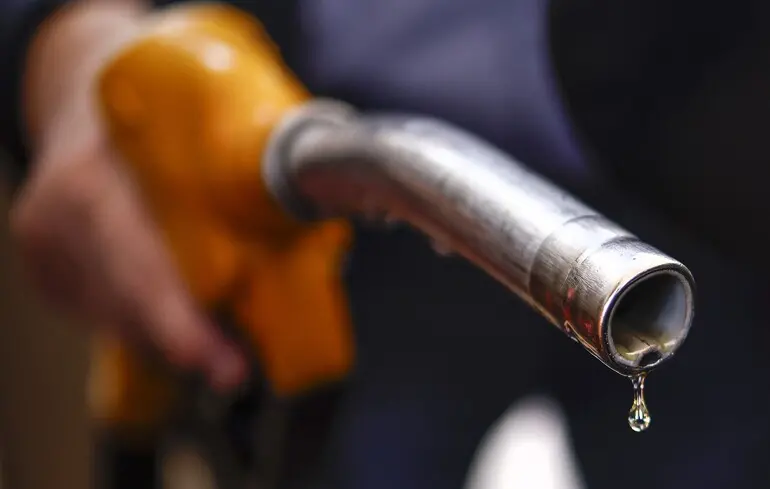
Russia — one of the world's largest exporters of petroleum products — is asking its neighbor for gasoline this summer. Reuters, citing four industry sources, reported that Kazakhstan agreed to transfer 50,000 tons of fuel, grades AI-92 and AI-95, to Russia in July-August as "humanitarian aid." This is not a commercial contract — it is an urgent request from a state that has lost control over its own fuel market.
What broke in Russia
The direct cause is Ukrainian drone strikes on oil refineries. Following attacks on several major refineries in central Russia, gasoline production fell approximately 25% year-on-year as of late June, Reuters reports. The Moscow refinery in Kapotnya — the largest fuel supplier for Moscow region — has been shut down for at least until the end of 2026 following two strikes in June. The TANECO plant, owned by Tatneft, completely halted processing on June 12.
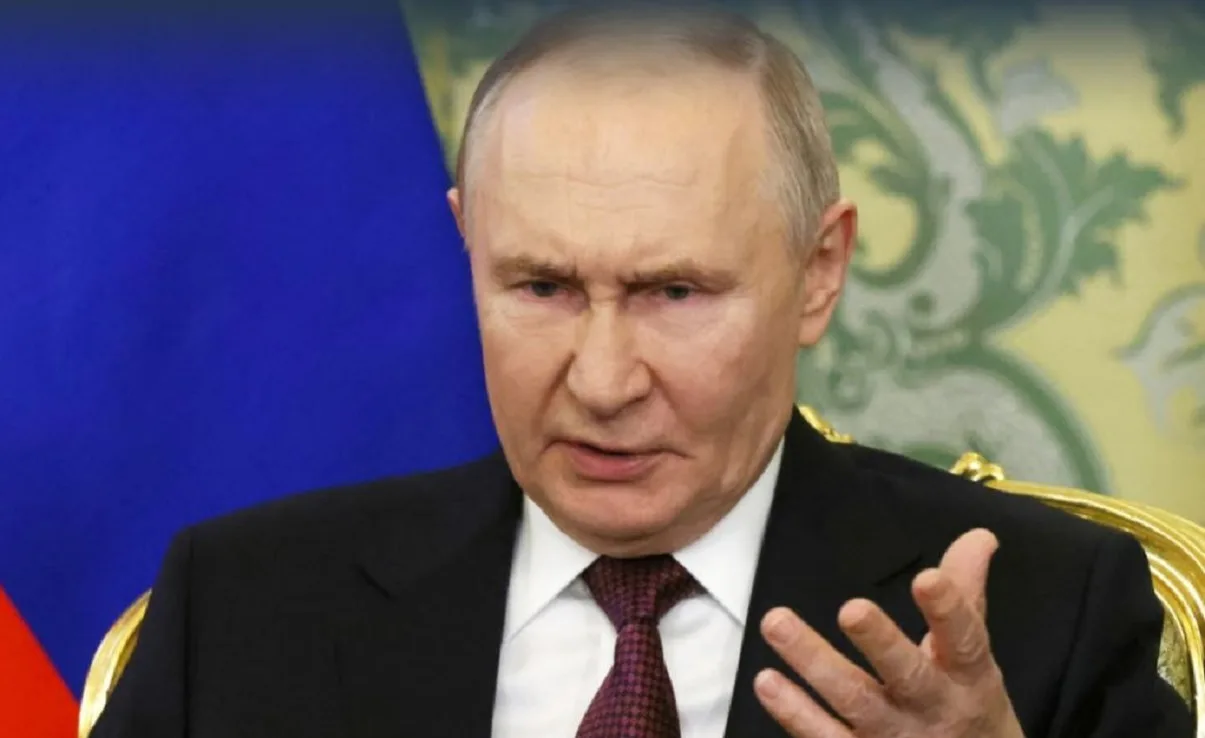
Putin acknowledged on June 29 that the strikes caused shortages in some regions, but claimed the situation was under control. Reality is different: queues at gas stations, record gasoline prices, sales restrictions already in at least 10 regions — from central Russia to the Urals and beyond.
"Imports are an unusual step for Russia as one of the world's major fuel exporters."
Reuters
Kazakhstan: officially unaware, practically preparing
Kazakhstan's Energy Ministry stated that it had not received an official request from Russian state structures. However, it simultaneously did not rule out supplies from the Condensate refinery — and this is a telling clarification. According to Reuters, Condensate and the Pavlodar oil refinery are the specific shippers mentioned.
There is a structural detail that explains why Astana finds it difficult to refuse: Kazakhstan, Russia, Belarus, Kyrgyzstan, and Armenia are members of the Eurasian Economic Union with duty-free deliveries of hydrocarbons and annually agreed fuel trade balances. Each year, Kazakhstan agrees with Russia on quotas for duty-free supplies of over 1.1 million tons of motor fuel and heating oil — in other words, the infrastructure of dependence already exists.
At the same time, a source in Kazakhstan told Reuters that gasoline supplies are possible in exchange for Russian aviation fuel — Kazakhstan may face its deficit as early as July due to increasing demand and repairs at the Atyrau refinery.
Sanctions risk is not theoretical
Industry sources directly warned Reuters: supplies and payments could be complicated by sanctions risks related to Russia's war against Ukraine. The Condensate refinery processes gas condensate supplied and financed by Tatneft — a sanctioned Russian company. In May 2026, Condensate exported 15,207 tons of gasoline to Georgia — a transit scheme through third countries has already been worked out.
For Kazakhstan, the risk is two-sided: helping Russia means falling under secondary sanctions; refusing means worsening relations with Moscow within the EAEU and jeopardizing its own aviation fuel imports.
50,000 tons — how much is that?
In summer, Russia consumes at least 110,000 tons of gasoline per day. The entire Kazakh "humanitarian" volume is less than half of the country's daily needs. This is not a solution to the crisis, but a temporary patch while the Kremlin seeks a more systemic response: fuel export restrictions, subsidies to oil refineries, parallel negotiations for imports from India.
Russia has already allowed its refineries to produce gasoline and diesel with reduced quality characteristics — in other words, sacrificing standards for volume. This is not a sign of stabilization.
If Ukrainian strikes on refineries continue at current intensity through the end of August — the Kazakh 50,000 tons will turn into a permanent request, not a one-time concession. The question is not whether Kazakhstan will supply gasoline this time, but whether Astana will be able to say "no" next time — when Russia's deficit becomes structural, not seasonal.