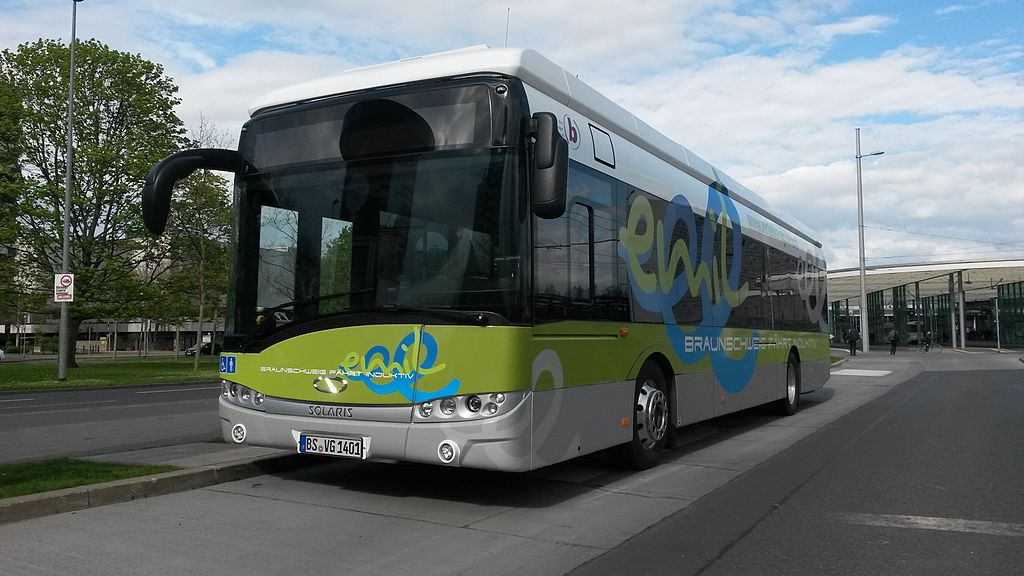
Kharkiv has canceled an international tender for the purchase of electric buses worth 15 million euros — the funds were supposed to come from the European Bank for Reconstruction and Development. The competition ended without a single winner.
This is not an abstract bureaucratic failure. Behind this money stood a concrete task: to modernize public transport in Ukraine's second-largest city, which faces daily shelling yet continues to maintain municipal infrastructure. Drivers of Kharkiv's buses and trolleybuses go out on their routes despite air raid sirens — and it was for them that this modernization was planned.
Why the tender failed
City authorities did not fully disclose official details regarding the reasons for the cancellation. However, the situation fits into a broader pattern: international manufacturers of electric buses are extremely cautious about entering tenders for the supply of equipment to an active conflict zone. Insurance, logistics, warranty service — each of these points becomes a separate problem when it comes to a city 30 kilometers from the front line.
An additional factor is technical requirements and contract conditions. EBRD tenders provide for strict standards: from vehicle specifications to supplier requirements. Narrowing the circle of potential participants to zero under such conditions is a fairly realistic scenario.
The money exists, but the transport doesn't
The paradox of the situation is that the financing essentially exists — the EBRD allocated funds as part of support for Ukrainian urban infrastructure. But the presence of money does not solve the problem of attracting suppliers to contracts with a city in an active theater of military operations.
Kharkiv is not the first case. Several Ukrainian cities have faced difficulties when purchasing transport equipment through international tender procedures since the start of the full-scale invasion. Standard peacetime tools — open competition, lowest price, international competition — are poorly adapted to the realities of war.
What's next
The city has several options: re-announce the tender with modified conditions, try to negotiate with the EBRD about an alternative procurement mechanism, or redirect the funds to other transport infrastructure needs. Each option requires time — which Kharkiv's transport is in short supply of.
Kharkiv's electric transport continues to operate on worn-out equipment. Some routes have been reduced or suspended due to infrastructure damage. 15 million euros remain unallocated — not due to lack of need, but because the procedure is unable to work under conditions it was not designed for.
The question that remains open: is the EBRD ready to adapt its tender mechanisms to the realities of Ukrainian cities on the contact line — or will Kharkiv continue to receive funding that cannot be spent?







