A Dilemma That Putin Is Still Ignoring
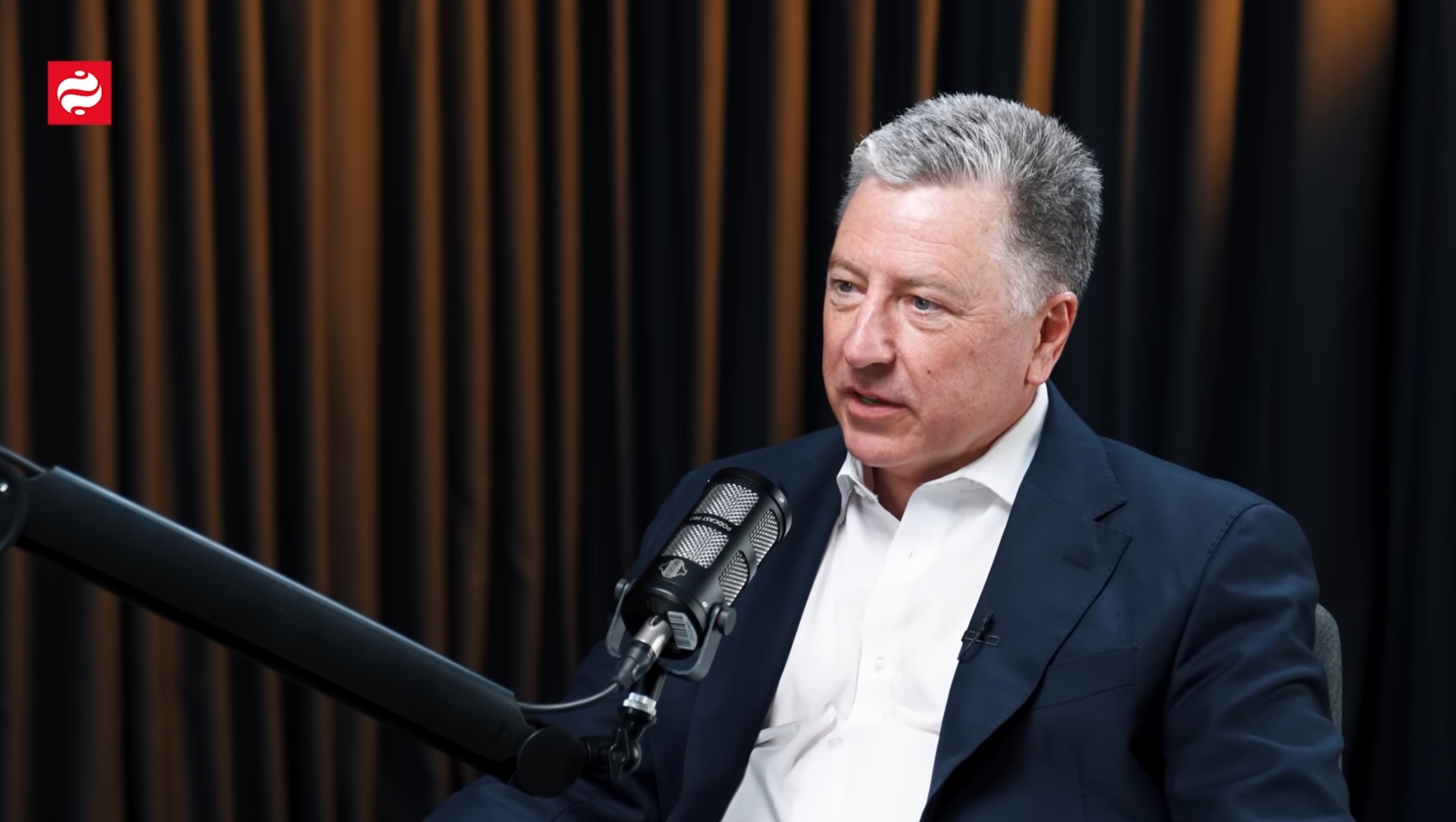
In the "Klimkin Asks" project for LIGA.net, former U.S. State Department Special Representative for Ukraine Kurt Volker formulated a key contradiction in Putin's strategy: the longer the war lasts, the less remains of the state for which it is supposedly being waged.
"Putin can weaken the Russian state to the point where he faces a choice: whether to destroy it for his vision and his own legacy, or to pause to stabilize the country. I think that is exactly the choice he will have to make."
Kurt Volker, former U.S. Special Representative for Ukraine
According to Volker, Putin remains convinced that the West is weak and divided, and therefore it is enough to "increase pressure" — this logic so far blocks any rational reassessment of the situation.
A Military Machine That Cannot Brake
Alongside Volker's assessment, Estonian military historian and publicist Yuri Kochnev offers an even harsher diagnosis: the Kremlin's "military machine" is capable of stopping only in the event of complete collapse of the management system. Russia, in his view, has already passed the point of no return, and Putin has ensured yet another historical catastrophe for it.
This thesis is confirmed by former Ukrainian Foreign Minister Pavlo Klimkin:
"The nature of the militarized Russian state makes it unlikely that Putin will listen to voices of reason. War is the modus vivendi of the regime. It is like riding a bicycle: if they stop, they will fall."
Pavlo Klimkin, former Ukrainian Foreign Minister
Elites Are Signaling — Putin Isn't Listening
In the fifth year of the war, even some of the Kremlin's "hawks" are beginning to publicly acknowledge the impossibility of complete victory over Ukraine, as documented by the Wall Street Journal. Russian officials declare readiness to consider a ceasefire — but only on the condition that the United States forces Kyiv to comply with the so-called Anchorage agreements. The Kremlin is essentially seeking capitulation through third parties.
- Pro-Russian analysts admit: the goal of establishing a "Moscow-friendly regime" in Kyiv is no longer realistic.
- Volker warns of a separate peace trap: Russia will have to integrate into society hundreds of thousands of mobilized and recruited prisoners who will return from the front — a slow-acting social bomb.
- On June 4, Zelensky sent Putin a letter calling for peace — Putin publicly refused.
What This Means in Practice
Volker describes not so much a military as a management deadlock: a system built on war as the reason for its existence has no legitimate scenario for exiting it without losing internal coherence. Any "freezing" would require Putin to explain to his own society why hundreds of thousands of people died — and what to do next with those who survived.
If pressure on the front intensifies and oil prices continue to fall, the Kremlin will face a choice not between "victory" and "pause" — but between managed retreat and uncontrolled collapse. The question is whether a system that functions on bicycle logic can stop at all before falling.





