After massive Russian attacks on Ukrainian business logistics, an absurd situation has developed: warehouse premises exist, but no one knows about them. Dmitro Natalukha, head of the State Property Fund, named the culprits directly — it is not enemy rockets, but their own officials who sit on empty real estate and wait for "better times" or a convenient moment to transfer the space to "their buddy".
A million square meters in the shadows
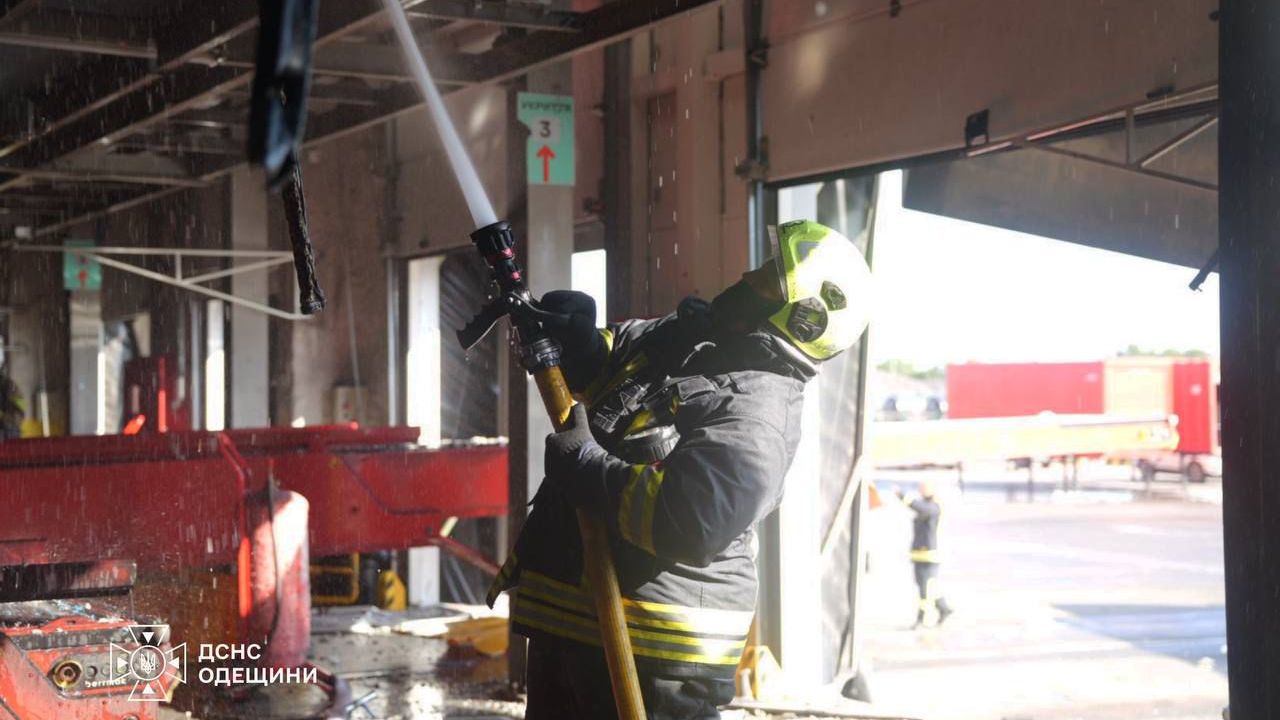
According to the SPFU, the fund has already transferred information to the Ministry of Economy about over 1.13 million sq. m of premises, of which about 164 thousand sq. m are potentially ready to accept cargo right now. These are production workshops, hangars, even underground storage facilities that are formally listed on the balance sheet of the DSNS, but businesses learn about their existence only as a last resort.
Natalukha described the mechanism simply: the head of a state enterprise knows about vacant premises, but does not disclose this information, counting on either waiting out the war or monetizing the asset privately.
"Some hamster sits there... and simply doesn't tell anyone about this information, to wait for better times or to give it to some buddy of theirs – I don't know," Natalukha stated.
Scale of the problem against the backdrop of losses
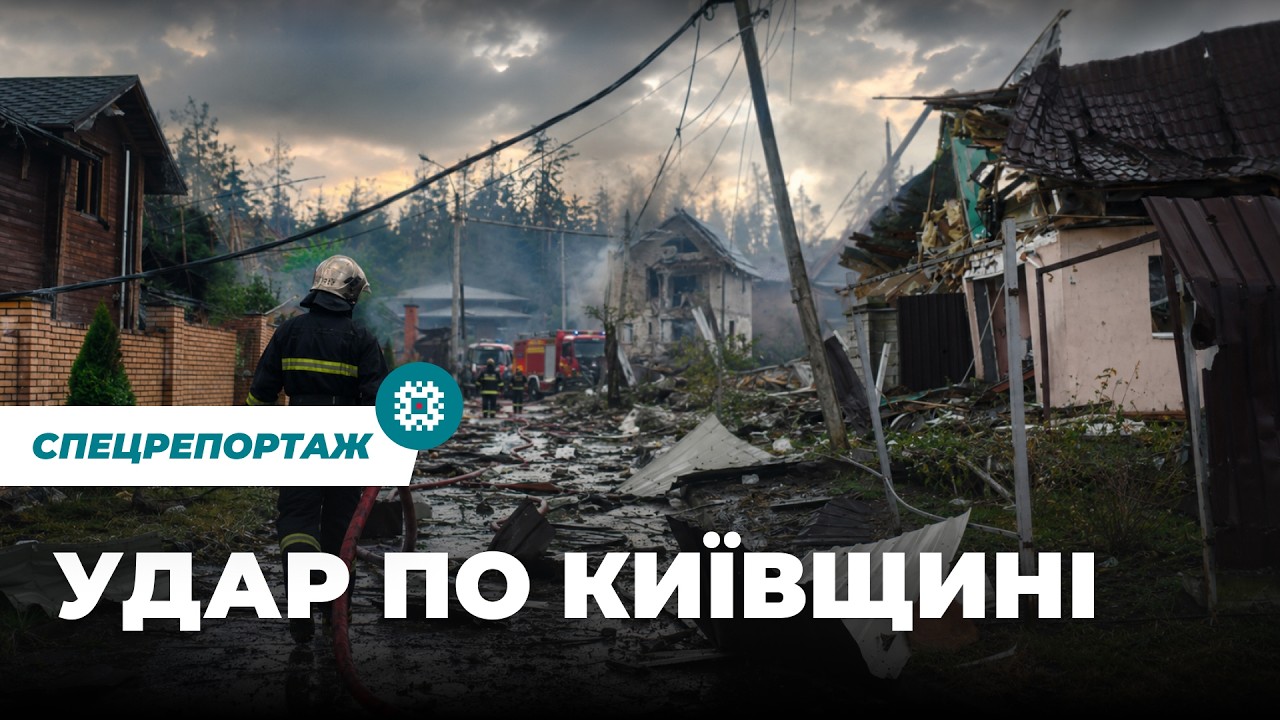
The context in which this is happening is not abstract inefficiency. According to LIGA.net's calculations, warehouses in Ukraine lost over 300 thousand sq. m of premises in just half a year of war. The most affected were networks that carry the country's daily logistics — Nova Poshta, ATB, Roshen.
The consequences are already felt not only in business reports. Manufacturers and suppliers warn of possible price increases on certain goods by 15-20% — precisely because of destroyed logistics and forced expenses for new storage routes. Minister of Agrarian Policy Taras Vysotsky admits that a significant portion of current storage capacity has already been destroyed.
Business requests are changing
Interestingly, the market's very needs are transforming faster than state bureaucracy can respond. Natalukha notes: at the beginning of the attacks, business asked for something concrete — "give us premises". Now the priority has shifted to money.
"It seems that they just need financial resources, and they will rebuild the premises themselves," said the head of the SPFU.
This means that even when the state finally declassifies all hidden warehouses, part of the business will already go another way – investing in their own reconstruction rather than waiting for someone else's square meters.
What's next
The SPFU is forming a consolidated list of premises for the government and the NSDC. The question is whether this list will become a real tool to pressure the "hamsters," or will it turn into another document that will lie on the desk next to memos about empty warehouses that will remain empty even in the fifth year of the war.