Briefly
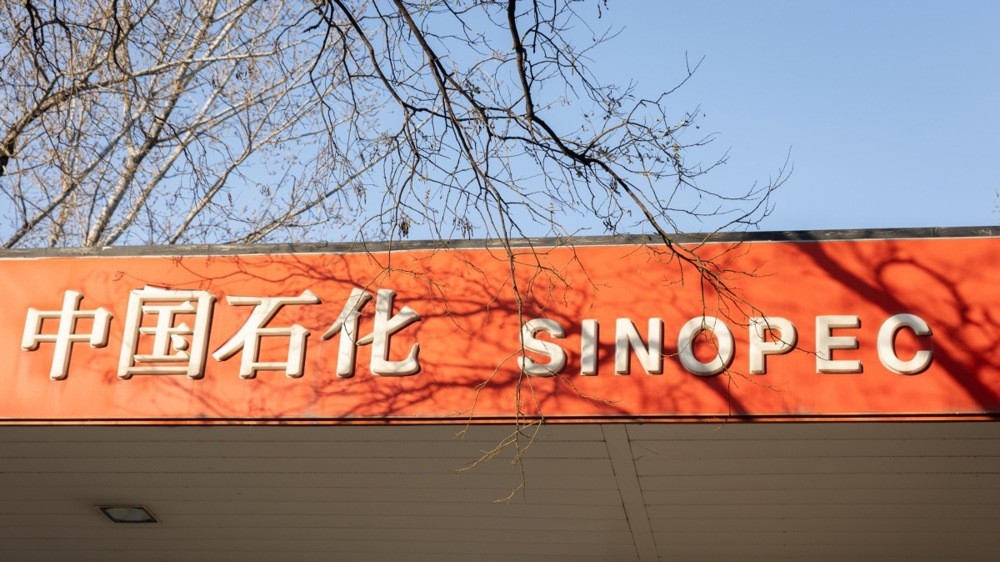
According to Reuters, Sinopec and PetroChina have renewed interest in purchasing Russian oil after a four‑month pause — five sources told the agency. No deals have been recorded yet (as of March 17), but trade inquiries indicate genuine demand due to the price advantage of Russian oil over supplies from Brazil and West Africa.
Context — why this is happening
The key trigger is a 30‑day easing of US sanctions on the purchase of oil and petroleum products stranded at sea, which began on March 12. It allowed for the arrangement of payments and logistics for vessels that had previously found themselves in legal limbo after sanctions were imposed on Rosneft and Lukoil in the autumn.
At the same time — global tension in energy: the blocking of the Strait of Hormuz as a result of escalation in the Middle East has reduced tanker capacity. The IEA estimates the volumes affected at roughly 20 million barrels per day, which is putting pressure on prices and forcing traders to seek alternative sources.
Consequences for the market and for Ukraine
In the short term two trends are likely: price reductions from suppliers who can take advantage of cheap Russian oil, and simultaneous logistical uncertainty because of the 30‑day window. The U.S. administration, for its part, believes the temporary measure will not bring significant financial benefit to the Russian budget, because most revenues are generated at the production stage.
For Ukraine this is neither a triumph nor a catastrophe, but a reminder of two obvious facts: energy instability affects domestic fuel prices, and any changes in the global market quickly translate into local retail. LIGA.net has already explained why fuel is becoming more expensive and which shortage risks should be monitored.
"This move will not bring significant financial benefit to the Russian government, since most revenues from Russia's energy resources are received through taxes at the production stage."
— Scott Bessent, U.S. Secretary of the Treasury
What may happen next
Reuters analysts and market participants believe deals are possible but not inevitable: issues around payments, insurance and routing of cargoes remain key barriers. If supplies from Russia are partially restored, this could reduce pressure on global prices in the coming weeks — but will not eliminate systemic risks related to the security of sea lanes and regional politics.
Conclusion
The situation shows that markets respond not only to political declarations but to short legal‑logistical windows. It is important for Ukraine to keep focus on diversifying supplies, stocks and stabilizing the domestic fuel market so that fluctuations in world prices do not turn into a crisis for businesses and citizens. The remaining question is whether the temporary easing will grow into durable changes in trade flows — and what role international sanctions policy will play in that.







