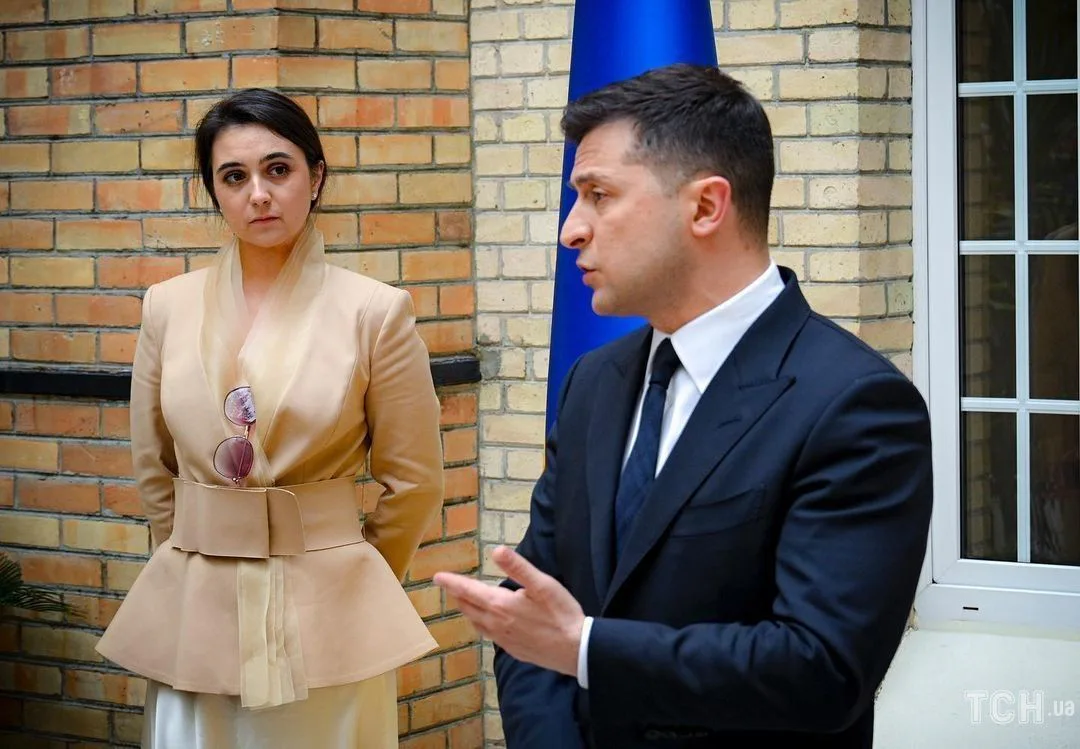
Russia is withdrawing approximately 200 crews of "Rubikon" loitering munitions from the front line to protect shadow fleet tankers from Ukrainian attacks. This was stated by Mikhaylo Madyar, commander of the Unmanned Systems Forces (USF), explaining the logic behind Operation "MoLoChKa".
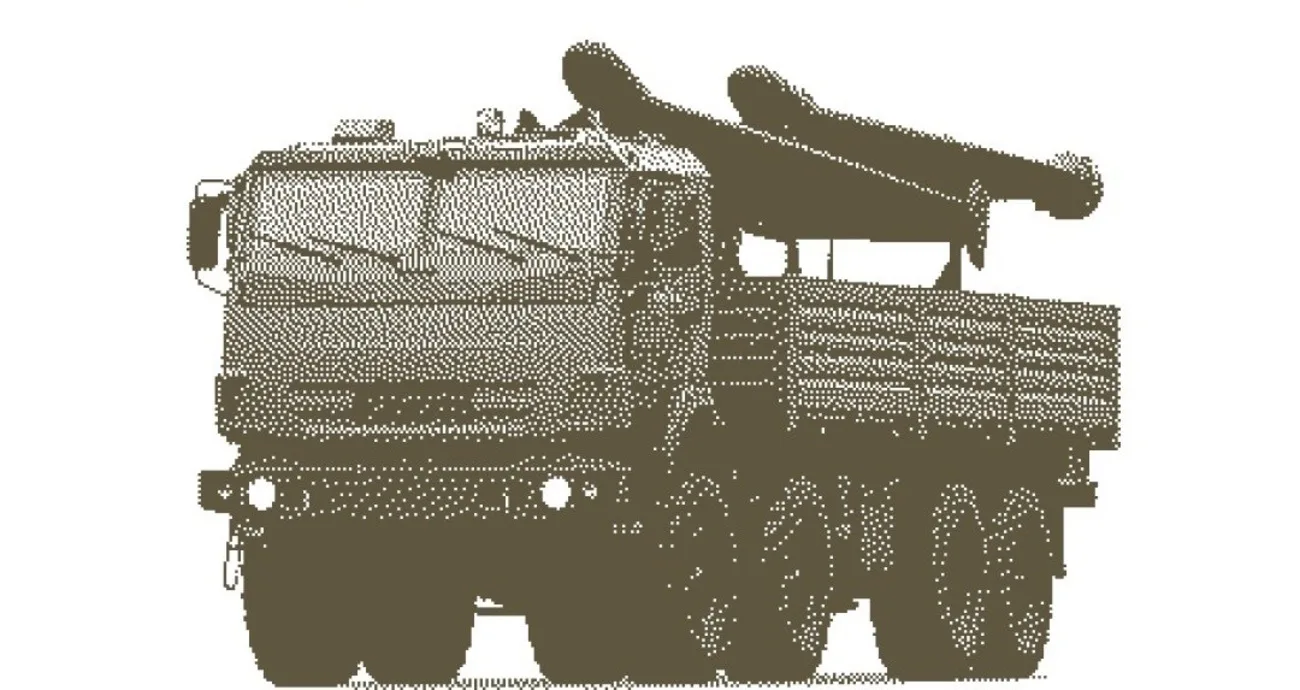
"Rubikon" is a Russian FPV analogue with a range of up to 10 kilometers, massively used to strike infantry and light vehicles. The withdrawal of 200 crews is not cosmetic: it represents a systemic weakening of unmanned air defense on specific front-line sections.
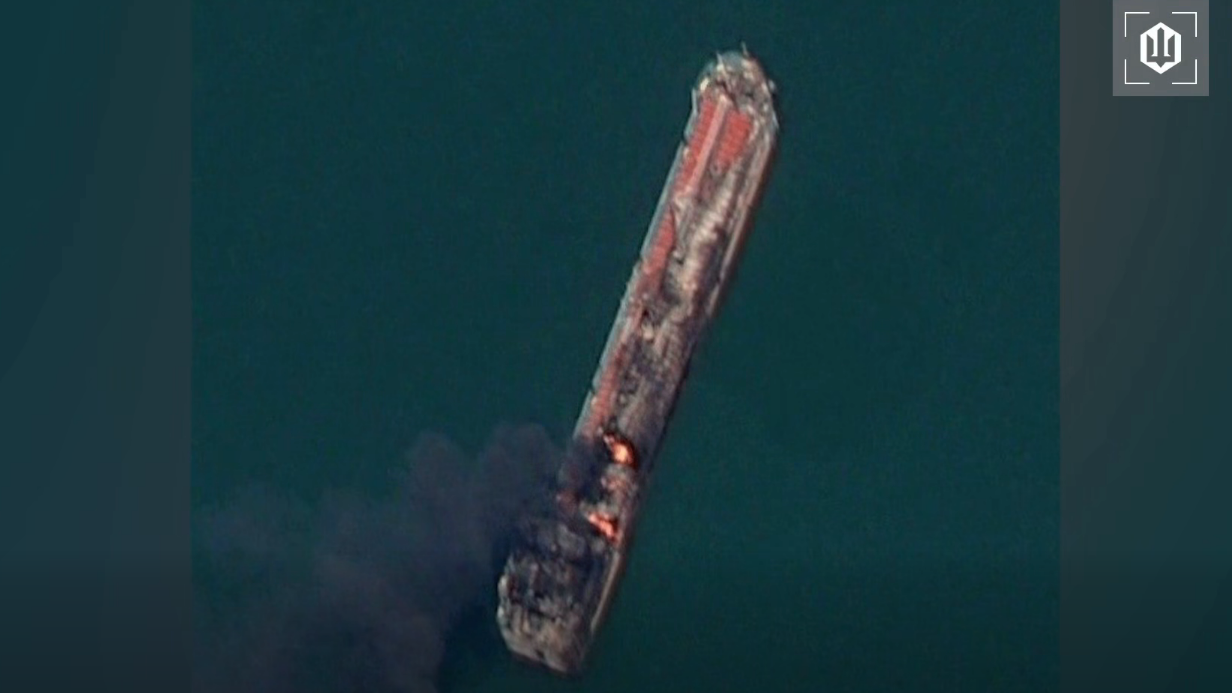
Operation "MoLoChKa" is a series of strikes against infrastructure and shadow fleet vessels in the Black Sea, which Russia uses to circumvent oil sanctions. According to Madyar, this very campaign forced the enemy to redirect part of its air defense resources from front-line positions to maritime objects.
There is an important asymmetry here: the shadow fleet brings Moscow billions of dollars annually—it is a critical artery of war financing. Protecting it is expensive; not protecting it is even more expensive. Each successful strike on a tanker or logistics hub creates pressure that demands a response, and that response costs resources that should go to the front.
The mechanism is simple: Ukraine forces Russia to choose between protecting revenues and protecting the front lines. So far, based on the decision to relocate crews, the adversary is choosing money.
The question that will determine the effectiveness of this strategy: will Ukraine have enough striking power and intelligence data to maintain sufficiently intense pressure on the shadow fleet until the cost of its protection exceeds the cost of losses at the front?