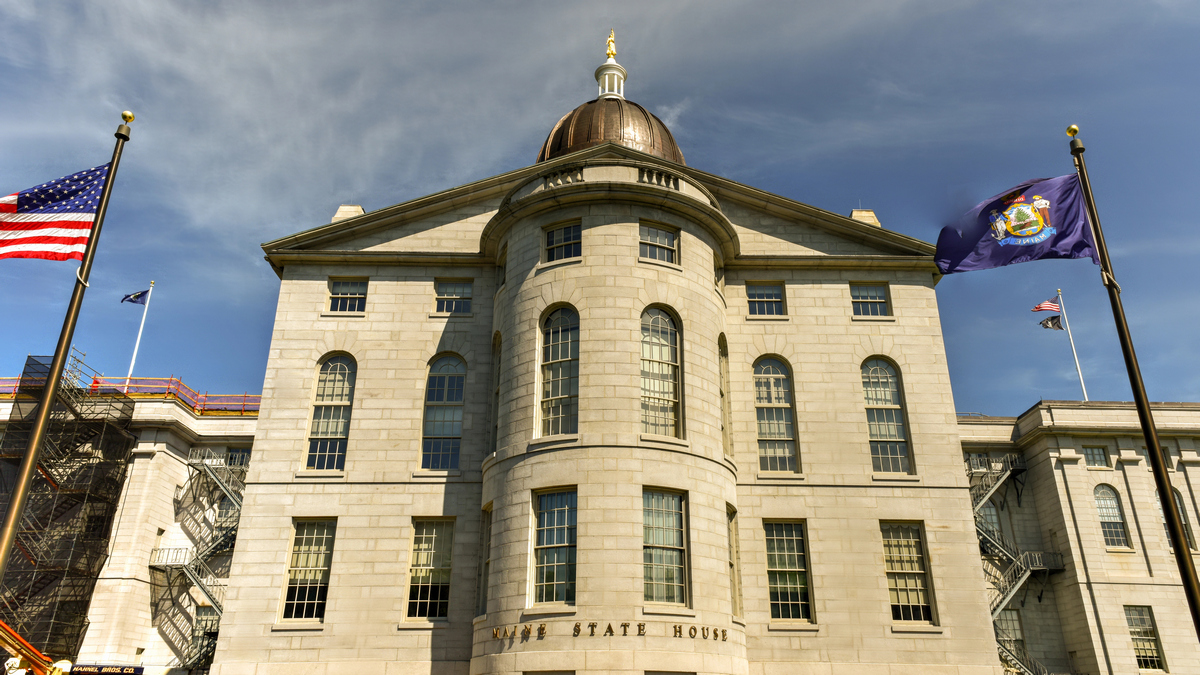
20 megawatts — that's approximately how much electricity 16,000 American households consume. Lawmakers in Maine chose this threshold as the dividing line: any data center with a capacity of 20 MW or higher will not receive approval until November 2027. More than 140 local groups across the country have already blocked or delayed over 60 billion dollars in data center investments in just over a year — but Maine went further, becoming the first state with a statewide ban.
How they voted and what was banned
The state House of Representatives passed bill LD 307 by a vote of 79–62, after which the senate sent it to the governor with a result of 21–13. The law prohibits state, municipal, and quasi-governmental agencies from issuing permits or any approvals until November 2027. In parallel, a coordination council is being created with government officials, experts, and stakeholders — it is tasked with developing recommendations regarding the impact of data centers on the power system and water resources.
Governor's block: 550 million dollars and a former paper mill
The law has not yet taken effect. Democratic Governor Janet Mills stated she will only sign it if there is a separate exemption for a 550 million dollar project at the site of the former Androscoggin paper mill in the city of Jay.
"The people of Jay need these jobs — with proper safeguards to preserve water and energy resources"
— Governor Janet Mills, April 2025
Lawmakers considered the possibility of adding exemptions that could save the Jay project, but ultimately passed the law without them. The governor's office did not respond to requests about a possible veto.
Is Maine an exception or the start of a trend?
Some states and municipalities are introducing restrictions on electricity and water consumption by data centers, requirements for disclosing information to communities. South Carolina Republican Stephen Long, who is a co-author of a similar moratorium in his state, says: "Public policy simply cannot keep up with how rapidly everything is changing". The organization Food & Water Watch is promoting similar bills in California, Michigan, New Jersey, New York, Ohio, and Pennsylvania.
Opponents of the law appeal to economics: "The moratorium deters investments not only from the data center industry, but also from other advanced industries that rely on predictability and a favorable business climate", — CNN presents the industry's argument.
The real stakes here are not in the server racks themselves. Maine is a sparsely populated state with an outdated industrial base: former paper mills stand empty, and this is where technology companies came with their offers. A moratorium without exemptions means these sites will remain unoccupied at least until 2027.
If Mills signs the law without an exemption for Jay — will the moratorium withstand a legal challenge from investors, or will the state set a precedent that rewrites the rules for the entire country?







