Briefly
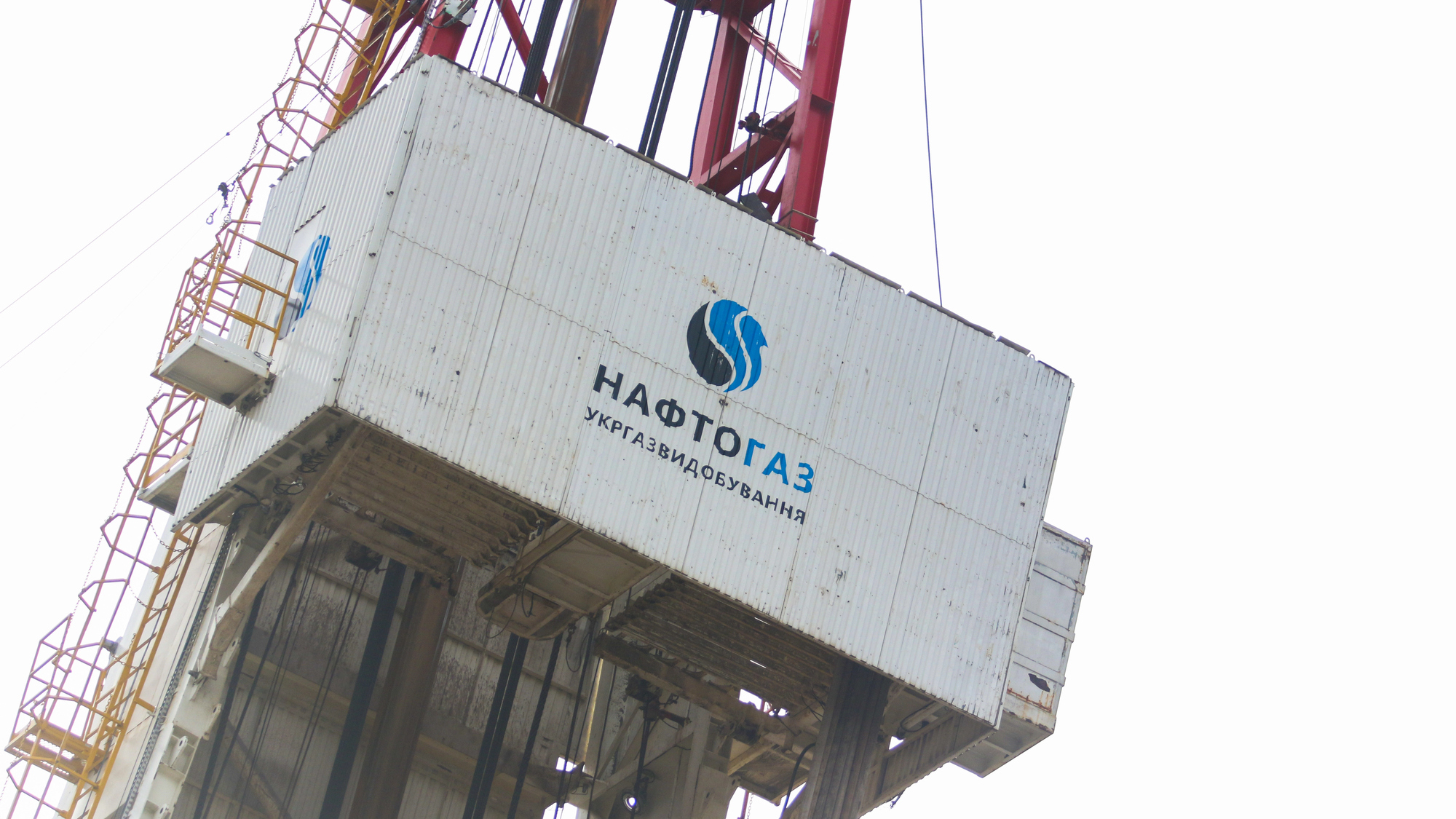
Money loves silence, but these appointments matter for the country. The Cabinet of Ministers has renewed the composition of the supervisory board of NAK "Naftogaz of Ukraine": four independent foreign experts and two state representatives now make up the six members. This is a key step in restoring corporate governance and a confirmation of external support for reforms.
Who joined the board
- Robert Shleshynskyi (Poland) — an expert in corporate governance and energy.
- Erik Rasmussen (Denmark) — a specialist in energy and infrastructure financing, who has worked on EBRD projects; participated in the reform of corporate governance of Ukrainian state-owned enterprises.
- Duncan Nightingale (Canada) — specializes in operational management of extraction and the development of energy assets; chaired the supervisory board of Ukrnafta.
- Tor Martin Anfinnsen (Norway) — a former executive at Equinor, a current member of Naftogaz’s supervisory board, responsible for ensuring continuity in implementing European standards.
- Anna Artemenko — Deputy Minister of Economy, state representative.
- Kostiantyn Marievych — Government Secretary of the Cabinet, re-elected member of the board.
What changed over the past year
The Cabinet’s statement recalls the timeline: the competition for the positions was announced on 18 November 2025, and the powers of the previous board expired in January 2026. It also reminds that on 28 April 2025 the supervisory board elected Serhiy Koretskyi as chair of the management board, who has been in post since 14 May. On 10 June the Cabinet updated Naftogaz’s charter: the supervisory board must now formally approve the strategy, investment and financial plans, reports on their implementation, and submit proposals to the government on the company’s development — as well as decide on the appointment and dismissal of members of the management board.
"At the same time, we are completing the renewal of supervisory boards across the entire energy sector – Centrenergo, Ukrainian Distribution Networks, Ukrenergo, Ukrhydroenergo, the Operator of the GTS of Ukraine and others."
— Yuliia Svyrydenko, Prime Minister
Why it matters
International experts are a signal to partners and a mechanism to reduce risks. Their task is not only to oversee finances but also to bring transparent governance practices that ease access to credit, ensure investment discipline, and increase trust among transit partners. Experts with experience at the EBRD and Equinor mean more than declarations: they know how to convert strategies into concrete projects and contracts.
Risks and questions
There is plenty of positive, but challenges remain: how exactly the supervisory board will implement recommendations in post-war conditions, how independent it will be from political pressure, and whether it can ensure rapid decision-making on investments and transit. Analysts note that the important thing is not the fact of the appointments themselves, but the speed of implementing changes and their reflection in signed contracts.
What to expect next
Now the ball is in the supervisory board’s and the government’s court: declarations must turn into concrete decisions — investment plans, transparent tenders, and monitoring of execution. This is a chance to cement European governance standards in a key energy asset of the country and to strengthen Ukraine’s energy resilience. Whether the renewed board can take advantage of this window of opportunity is a question for practice, not for intentions.