Brief
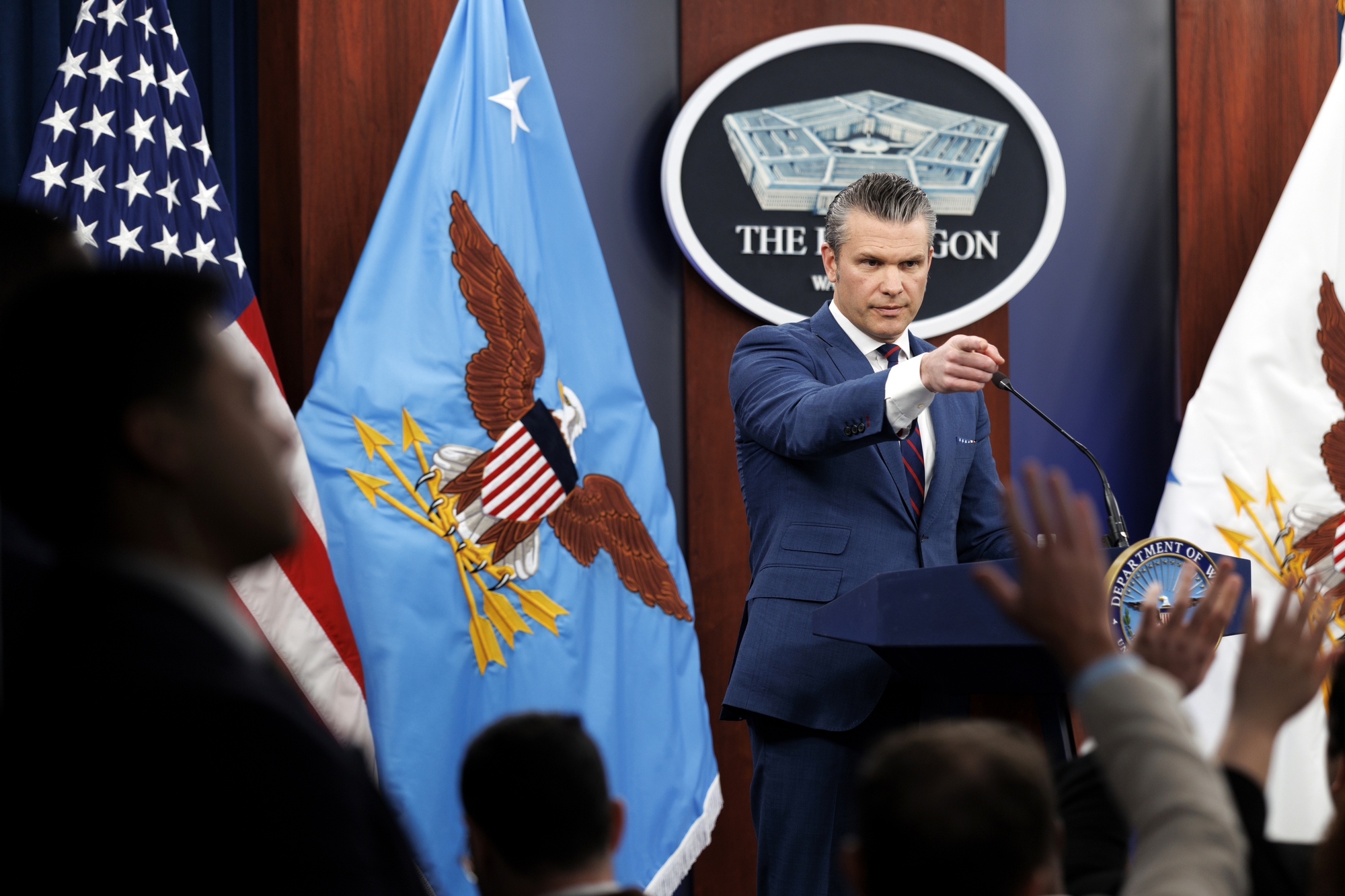
The U.S. Department of Defense has officially designated Anthropic a “supply chain threat” after the company refused to lift restrictions on the military use of its Claude model. The decision took effect immediately and also applies to Anthropic’s customers under Pentagon contracts — this changes the rules of the game for AI defense procurement.
What happened
According to the Associated Press, the Pentagon removed Anthropic from its list of eligible vendors because the company refused to lift two restrictions: on using the model for mass domestic surveillance and for fully autonomous weapons. Anthropic said it considers the decision unlawful and intends to challenge it in court.
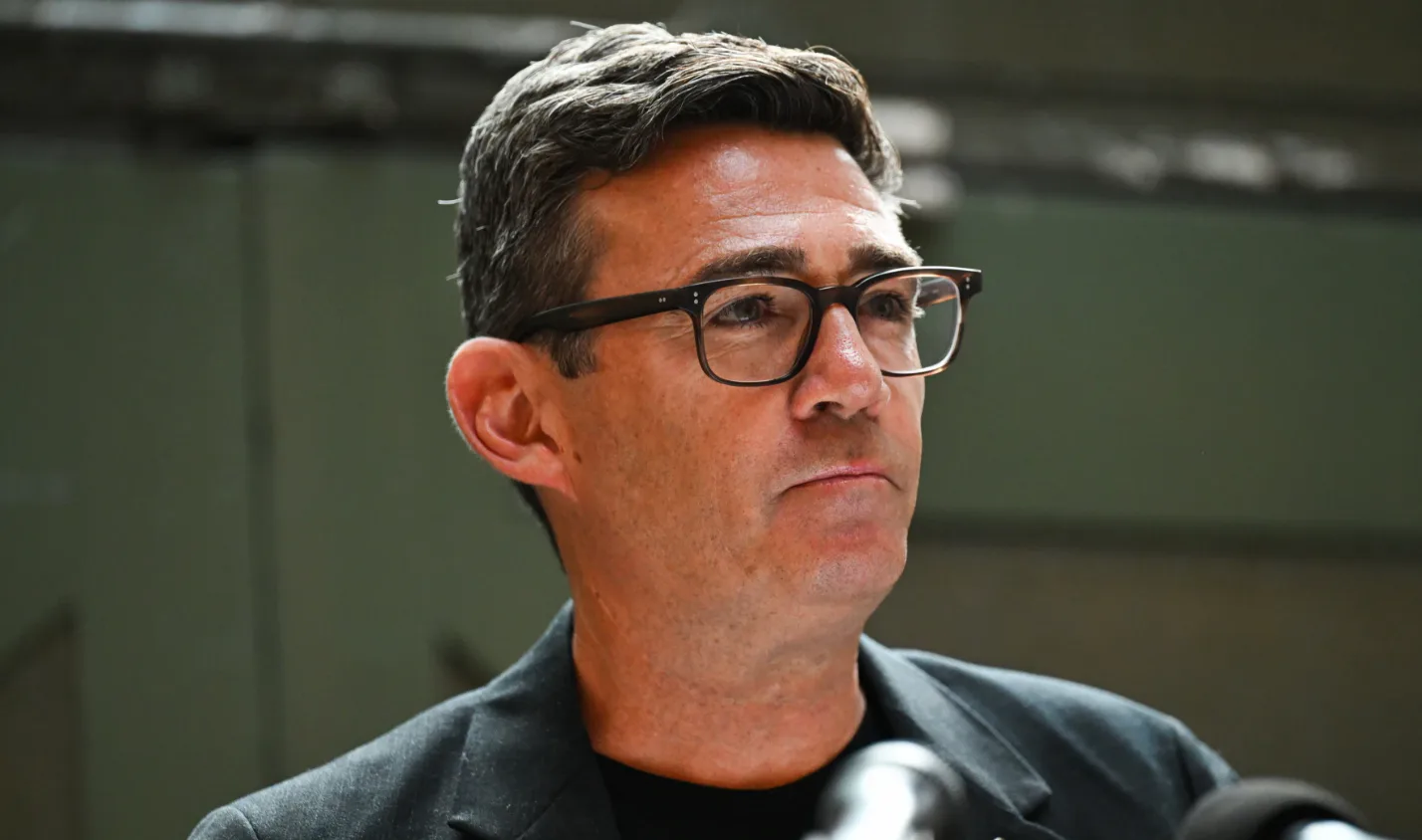
"We do not believe and have never believed that Anthropic or any other private company should be involved in making operational military decisions — that is the role of the military. Our only reservations concerned two exceptions: fully autonomous weapons and mass domestic surveillance..."
— Dario Amodei, CEO of Anthropic
Anthropic signed a $200 million contract with the Pentagon in July 2025; Claude was the first AI approved to operate on U.S. classified military networks. When talks reached an impasse, Anthropic’s competitors — OpenAI and xAI (Elon Musk) — reached cooperation agreements with the Pentagon.
"They demonstrate a deep respect for safety and a willingness to cooperate to achieve the best possible outcome."
— Sam Altman, CEO of OpenAI (comment on the deal with the Pentagon)
Why this matters
The issue is not just legal or ethical: for the Pentagon it is critical to have vendors that do not restrict the use of technology across all lawful tasks. From a defense logistics perspective, a supplier that imposes technical or political constraints creates risks to operational flexibility — from mission planning to rapid response to threats.
The legal dispute between Anthropic and the Pentagon could set a precedent: either the government gains leverage to demand full access to the capabilities of commercial models, or companies retain the right to set ethical limits on how their products are used. Both outcomes will have long-term consequences for the AI market and defense procurement.
Market reactions and alliances
The Pentagon's decision is already reshaping the market: OpenAI and xAI are quickly filling the gaps, offering cooperation without the same restrictions. This is not just competition for contracts — it is a signal to investors and governments about which companies are considered “trusted” for work on classified networks.
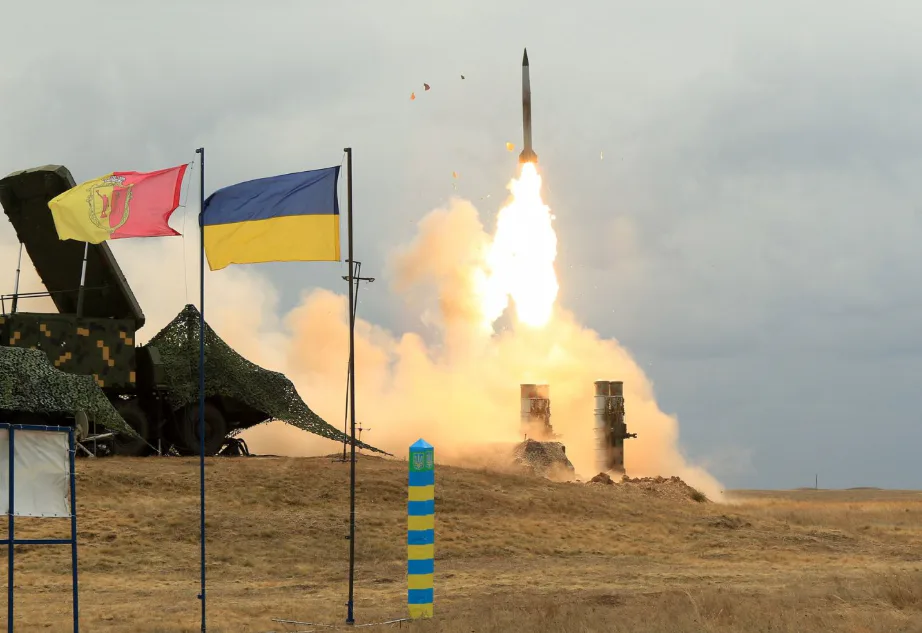
What this means for Ukraine
For Ukraine, the key implications are:
- Access to capabilities. If partners increasingly choose vendors willing to lift restrictions, that will affect which models and features are available in military scenarios and what update speeds can be expected.
- Security and accountability. Broader use of more “open” models heightens the need for control mechanisms, vulnerability testing, and compatibility with our systems — technically and legally.
- Need for diversification. Ukrainian interests benefit from building domestic capabilities and partnerships with allies, to avoid dependence on a single supplier or geopolitical decisions that can change rapidly.
Conclusion
This decision is more than a corporate scandal: it tests the boundaries between private companies' ethics and the operational needs of defense. The next moves are in the courts, the market, and with politicians — but partners, including Ukraine, should already be planning how to respond to the new realities of AI supply: build reserves, invest in interoperability, and develop domestic solutions. Will this turn into strict standardization in the interest of security — or into a battle over control of AI ethics? The answer will determine which technologies, and with what restrictions, end up on the battlefield.