Briefly
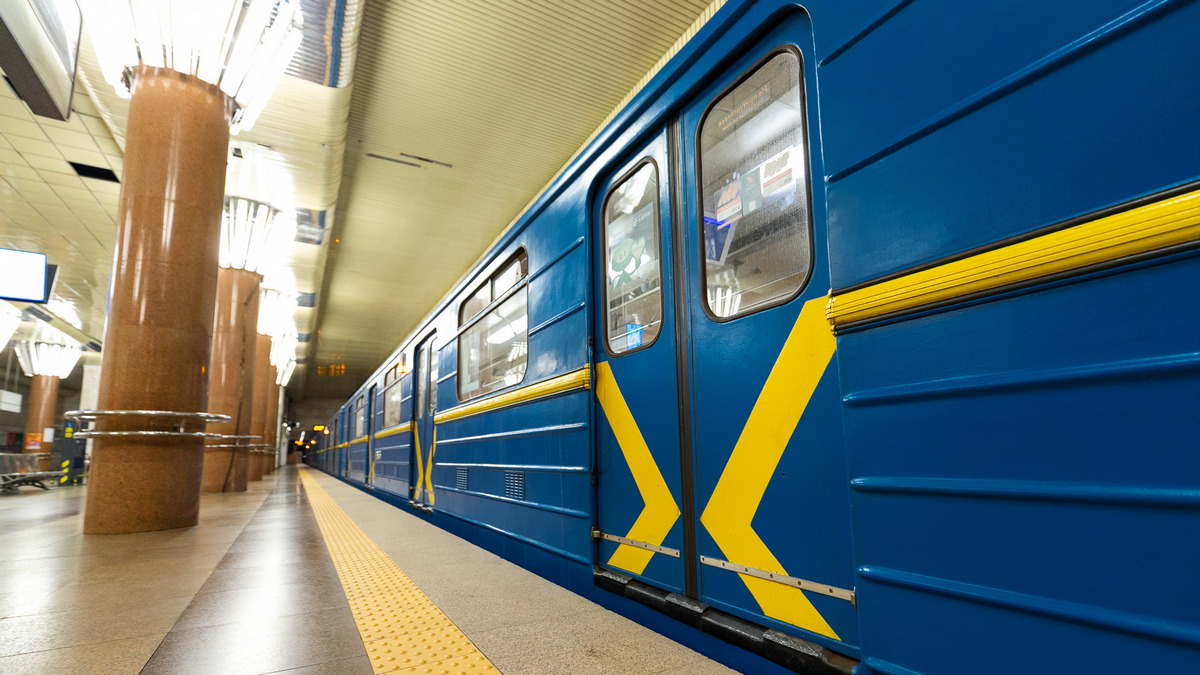
After a mass shelling of the capital on the night of January 24, the Kyiv City State Administration reported temporary changes to metro operations. Due to infrastructure damage and power shortages, some stations on the "red" line are closed — passengers should plan routes according to the updated schedules.
"Due to a power deficit following the mass shelling of Kyiv on the night of January 24, temporary changes have been introduced to train operations on the 'red' metro line."
— Kyiv City State Administration
How trains are running now
Trains on the "red" line are operating on shortened routes:
- between stations Akademmistechko and Arsenalna — intervals of 7–9 minutes;
- route Darnytsia – Livoberezhna – Arsenalna — intervals of about 12 minutes.
Stations closed to entry: Lisova, Chernihivska, Hydropark, Dnipro.
"Train movement is being carried out under dispatcher control, that is, in manual mode."
— Kyiv City State Administration
Reason for the changes
The official reason is damage to the metro's fencing as a result of the night shelling and the associated power deficit. The number of trains on the line is now determined according to the available capacity in the operator's power system: without stable power supply a full timetable is impossible.
Adjacent lines and surface transport
The "green" line is also operating with changes: trains run between Syrets – Vydubychi and Osokorky – Chervonyi Khutir. Previous power interruptions after the January 9 shelling already showed that switching to altered routes and duplicating service with surface transport is a standard city response.
Tram and trolleybus services are partially duplicated by buses; this is intended to compensate for limitations in electric transport but increases the load on surface routes and travel times.
What this means for Kyiv residents
In short — more time on the road and the need to plan alternative routes. We recommend:
- checking updates from the Kyiv City State Administration (KCSA) and metro pages before traveling;
- allowing extra time for transfers, especially on routes that are being supplemented;
- using official channels for information about service restoration.
Context and consequences
This is not only an operational transport problem — it is a reminder that energy stability and the protection of critical infrastructure directly affect the city's daily life. The task now falls to restoring infrastructure and stabilizing the power supply — returning to a normal timetable depends on this.
Experts and the city's operational services will monitor the situation; it is important that operational announcements turn into concrete actions to restore and protect transport.







