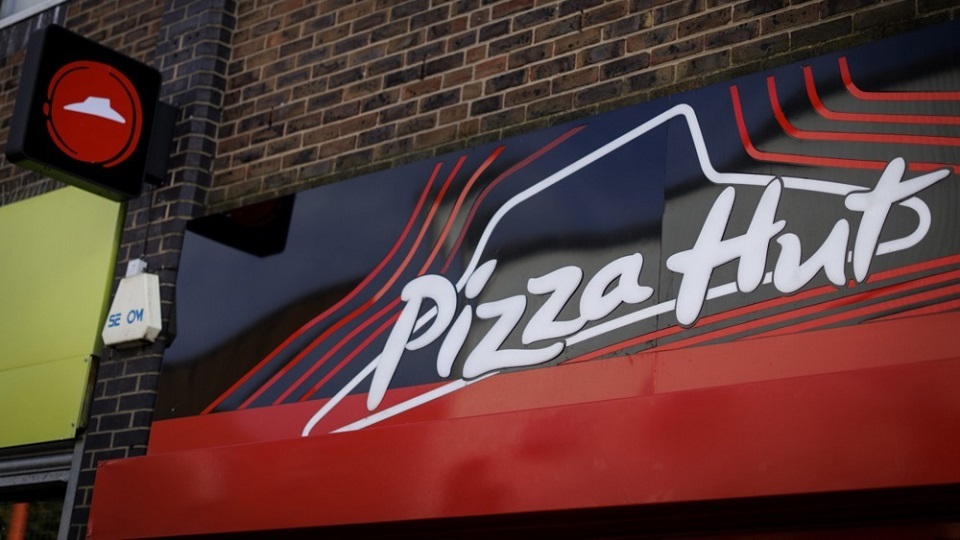
Yum Brands, which also owns KFC and Taco Bell, has completed the sale of Pizza Hut for a combined $2.7 billion. The deal is split into two parts: the Chinese business goes to Yum China for $1.2 billion, while the rest of the network — nearly 20,000 restaurants in 107 countries — is transferred to private investment company LongRange Capital for $1.5 billion.
Why Now
Yum Brands initiated a strategic review of Pizza Hut in November 2025 — not on its own initiative, but under pressure from the numbers. According to regulatory filings, the network's system-wide sales in 2025 fell to $3.47 billion compared to $3.61 billion a year earlier. The number of locations decreased by 251 units over the year — partly due to mass franchise closures across Europe in autumn 2025.
In the first half of 2026, an additional 250 restaurants in the United States are scheduled to close as part of the "Hut Forward" program — closures will target locations with annual sales below $600,000 and negative EBITDA. CFO Ranjith Roy called the program "a bridge to long-term brand acceleration," although Yum itself is providing a one-time marketing subsidy to franchisees to keep them in the network until the deal closes.
"They hated this debtor. They did not want to do anything to help him because he publicly accused them of shameful things."
Allan Gallup — attorney in the bankruptcy case of EYM franchisee, which operated 142 Pizza Hut restaurants and sued the brand in 2024 for "failure to keep up with the times"
What Yum Got — and What It Lost
For Yum Brands, this is not simply the sale of an asset — it is a concentration on two growing brands: KFC and Taco Bell. Simultaneously with the deal, the company announced a new $4 billion buyback. This means the money from Pizza Hut will not go toward developing new products, but back to shareholders.
Pizza Hut remains the world's second-largest pizza chain — after Domino's. But industry statistics are unforgiving: according to Technomic, in 2024 61% of pizza chains on the Top 500 list recorded declining sales. Competition from third-party delivery services and changing consumer habits following the pandemic hit Pizza Hut harder than competitors focused on delivery models.
Who is LongRange Capital
LongRange Capital is a small private fund that positions itself as "operationally oriented." There is little public information about its portfolio, and the Pizza Hut deal is the largest in its history. Private capital in fast food has had mixed results: Burger King under RBI went through a painful restructuring before stabilizing. For LongRange, the bet is clear — buy a brand with name recognition at the bottom of the cycle and rebuild the operational model.
- ~20,000 restaurants in 108 countries by the end of 2025
- $12.8 billion — annual system-wide sales of the entire network
- United States — approximately 40% of system-wide sales, China — 20%
- 250 locations in the United States are scheduled to close by mid-2026
The deal effectively splits Pizza Hut as a brand: the Chinese and international businesses will now have different owners, different strategies, and different incentives. Whether they will be able to maintain a single product standard is a question that will become relevant as soon as LongRange Capital begins "optimization."
If the "Hut Forward" program fails to stop the franchisee exodus in the United States over the next 18 months, LongRange will face the same choice that Yum did: sell further or invest capital in a brand that carries nostalgia, but not growth.