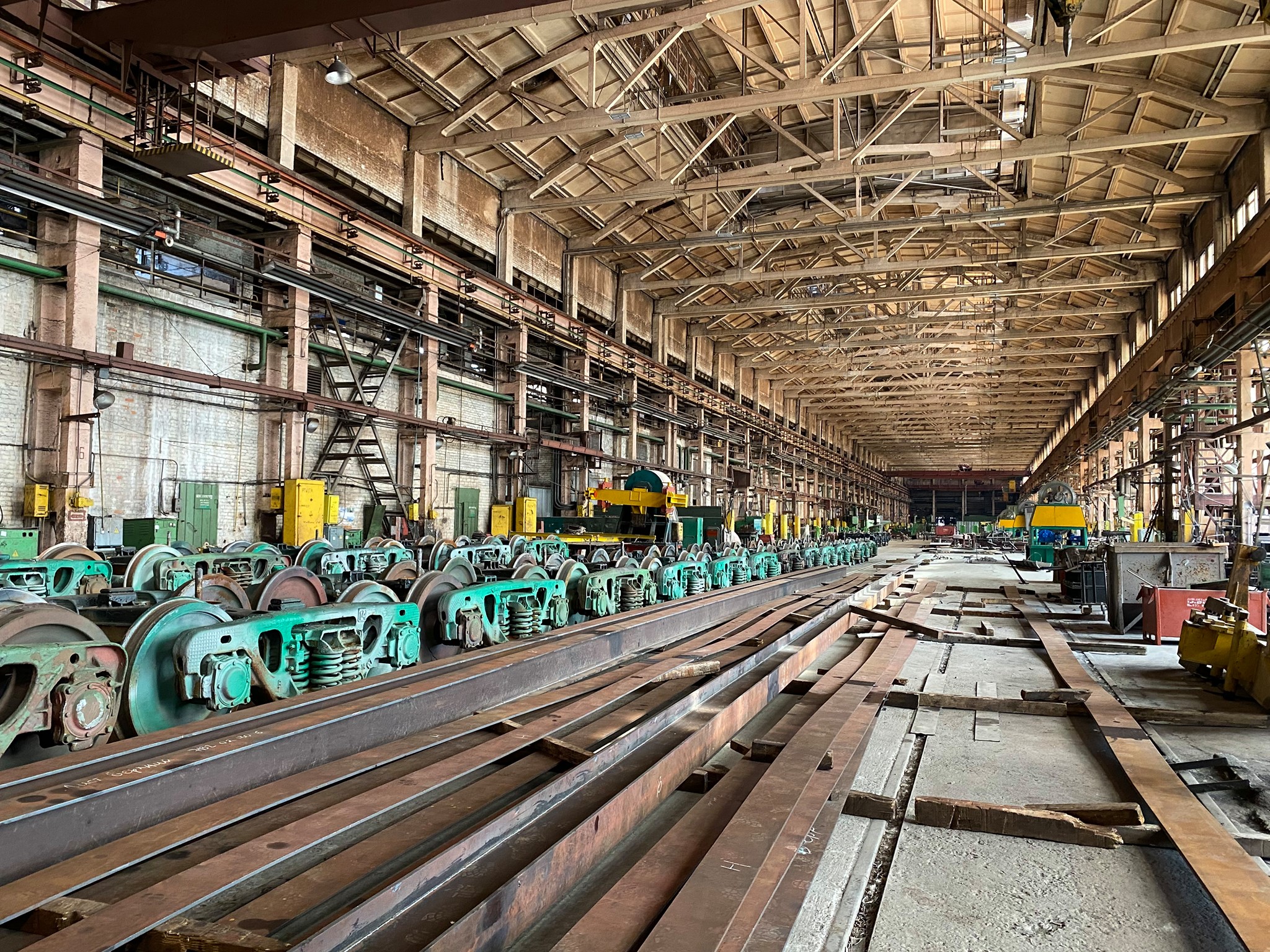
The paradox of war: they try to break us, and we become stronger. On December 15 the Ministry of Justice filed a lawsuit with the High Anti-Corruption Court seeking to impose a sanction on Stanislav Hamzalov — namely the seizure of 25% of the shares of the Kriukiv Railway Car Building Plant (KVBZ). This is a step that could turn a private matter into an issue of national security and the restoration of our country's industrial shield.
Why this matters
KVBZ is a key producer of passenger rail cars in Ukraine. Restoring control over the plant's stake means not only protecting production but also safeguarding jobs and the country's logistical capacity. According to Western analysts, such decisions are a test for the system of returning assets connected to the aggressor. Everyone is discussing whether the state will be able to turn the asset seizure into a real managerial advantage.
What happened
This concerns 25% of the shares that in 2012 were purchased by the Austrian company OW Capital Management, controlled by Stanislav Hamzalov. After the full-scale invasion in 2022, this stake was seized and transferred to the Asset Recovery and Management Agency (ARMA), but it has still not been placed under management. KVBZ stresses that Hamzalov did not and does not have influence over the plant's operations, and that the principal owner remains Ukrainian entrepreneur Volodymyr Prykhodko.
The return of this stake is a matter of national security and the protection of jobs.
– Ministry of Justice
In January 2023 information emerged that Ukrzaliznytsia was claiming the 25% stake; the then head, Oleksandr Kamyshin, announced plans to participate in the tender to manage this stake. Insiders in the relevant agencies say that attention is now focused on the legal soundness of the procedure — this will determine who and in what form will gain real control.
What happens next
If the court grants the suit, the 25% of KVBZ could become effectively state-owned or end up under the management of a Ukrainian entity. This is a historic moment for restoring control over strategic assets, and experts emphasize: success of the procedure will set a precedent for other cases. We face a choice — let inertia dissipate the country's assets or confirm: our plants are our defense.
Everyone is waiting for the High Anti-Corruption Court's decision: it will determine whether this becomes merely a legal victory on paper, or a genuine return to life for our industry. Western experts and insiders in the Ministry of Justice believe this process could become a precedent for further nationalization or the transfer of management of strategic assets to Ukrainian control.
The finale of this story has not yet been written, but it is already clear today: the battle for economic sovereignty is entering a new phase — and every decision here shapes the future of our common home.







