A drone strike on the Kernel agricultural holding terminal in Chornomorsk on July 14 was not an isolated incident. It was the fifth attack on the company's facilities in Odesa region since May 3, and the third in just four days. Kernel reported the loss of a significant volume of sunflower oil to the Warsaw Stock Exchange.
What happened on July 14
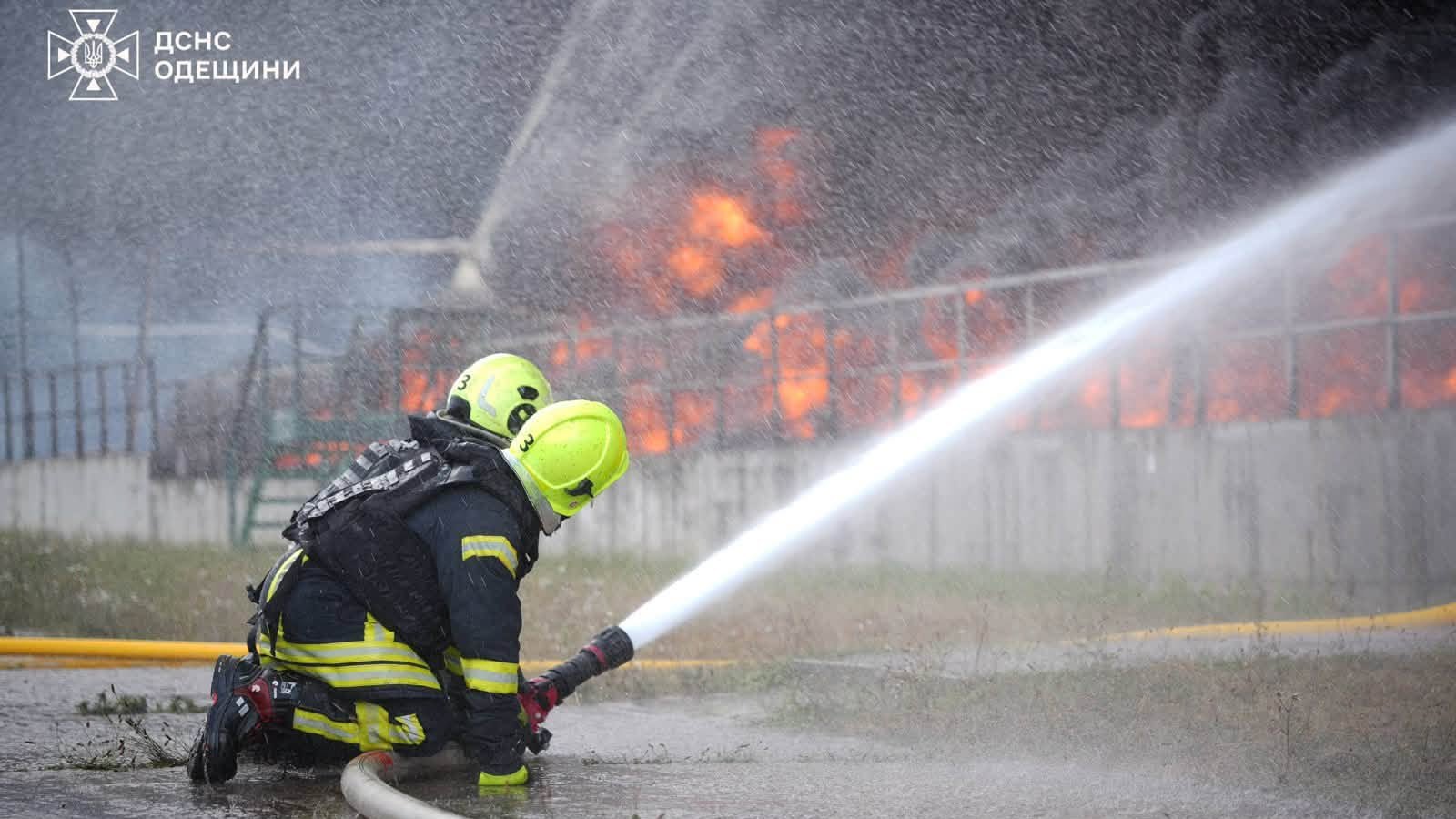
On the morning of July 14, a Russian drone hit a sunflower oil storage terminal at the port of Chornomorsk. According to Interfax-Ukraine, this was already the third damage to the oil terminal in four days — following massive night attacks on July 10–11 and 11–12.
"As a result of the attack, a fire broke out that seriously damaged most of the sunflower oil storage terminal's facilities and its loading infrastructure. Due to the shelling, a significant volume of sunflower oil stored at the terminal was lost, including oil belonging to third parties."
— Kernel, statement to the Warsaw Stock Exchange
Three days — three strikes, accounting from May
Previous attacks on July 11 and 12 already forced Kernel to suspend operations of the entire export terminal complex. According to the company, those two strikes damaged loading and unloading equipment, grain silos, oil tanks, and power lines.
- ~45,000 tonnes of wheat blocked or lost due to grain storage destruction
- ~9,000 tonnes of sunflower oil spilled or lost commercial value after the first two strikes
- July 14 — additional oil losses, volume being clarified
This is not the first cycle of attacks on Kernel facilities. On May 3, drones damaged the same oil terminal in Chornomorsk — over 1,100 tonnes of product leaked then. On June 5 — the next strike on the same facility. On May 18, the company's elevator in Khmelnytsky region came under fire.
Foreign vessels during attacks
Kernel separately emphasized that during the July 11–12 shelling, vessels flying the flags of China and other countries that were being loaded with cargo were in the port. According to Russia's Defense Ministry data, on July 13–14, strikes were also delivered at the "Pivdennyi" port, where dry cargo ships were hit. Thus, systematic attacks threaten not only Ukrainian agricultural exports but also the safety of international maritime navigation in Black Sea ports.
According to Besarabia News, Chornomorsk is one of two key hubs for grain supplies from Ukraine alongside Odesa; Izmail on the Danube became significant after the full-scale invasion disrupted traditional routes.
Logic of the strike: terminal as target
Kernel is Ukraine's largest private grain storage operator with a capacity of 2.2 million tonnes of simultaneous storage and a leading sunflower oil exporter. Destruction of transshipment infrastructure at the port has a direct effect on logistics: without the terminal, grain and oil cannot pass from elevators into ship holds. The timeline for restoring operations, as Kernel noted, will depend on the results of an engineering audit — meaning there are no specific dates.
If Russia continues strikes at the same frequency, not only Kernel's restoration will be in question, but also the decision of other operators to insure and direct vessels to Black Sea ports in general — especially after vessels flying neutral flags have already suffered damage during attacks.