On July 13 in Paris, Zelenskyy announced the composition of an industrial coalition that will build the FREYJA anti-ballistic system. Along with the Ukrainian Fire Point — developer of the FP-7.x interceptor missile — the project was joined by Thales, HENSOLDT, Diehl Defence, Saab, Kongsberg Defence & Aerospace, Weibel, Leonardo, MBDA, Eurosam, Safran and Destinus. Each of them covers a specific technological node, without which the missile is just scrap metal.
What each participant brings
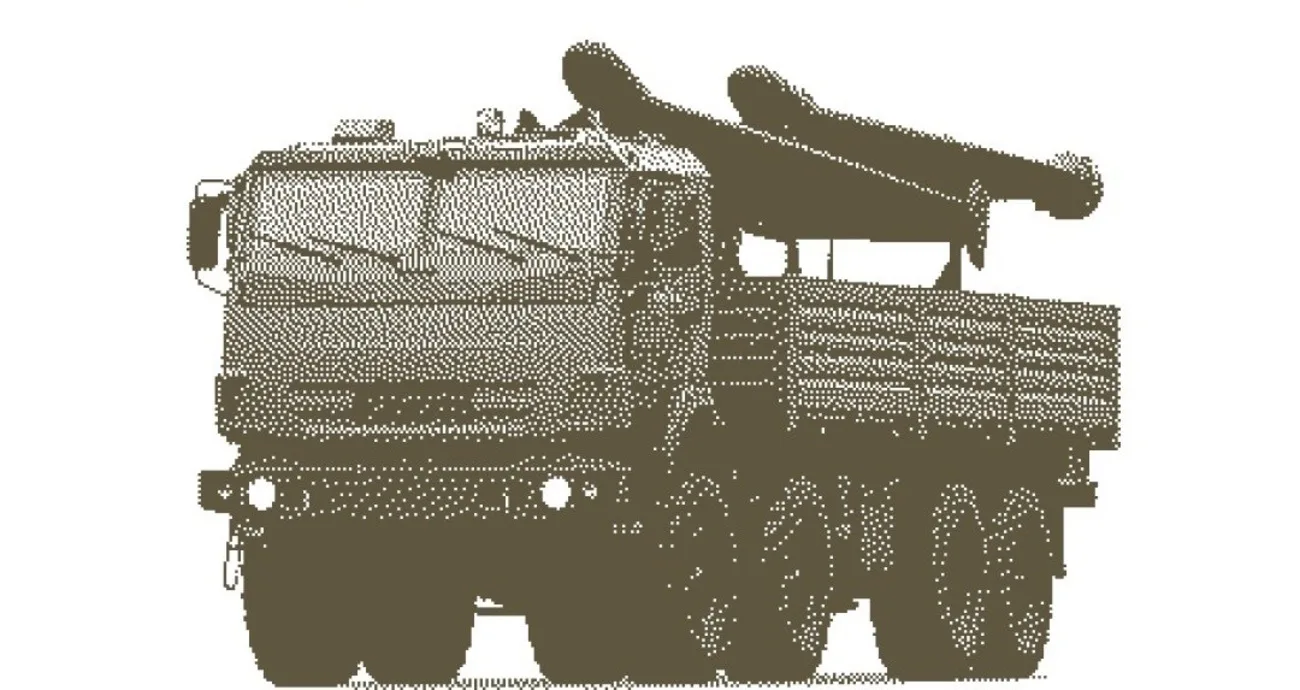
FREYJA was designed as an open architecture: Ukrainian Fire Point provides the interceptor, the rest — the eyes, ears and brain of the system. FP-7.x is a 7.25-meter long missile made of composite materials, with a maximum speed of 1,500–2,000 m/s (up to Mach 5.9). Self-guidance is provided by an infrared seeker head from German Diehl Defence (IRIS family).
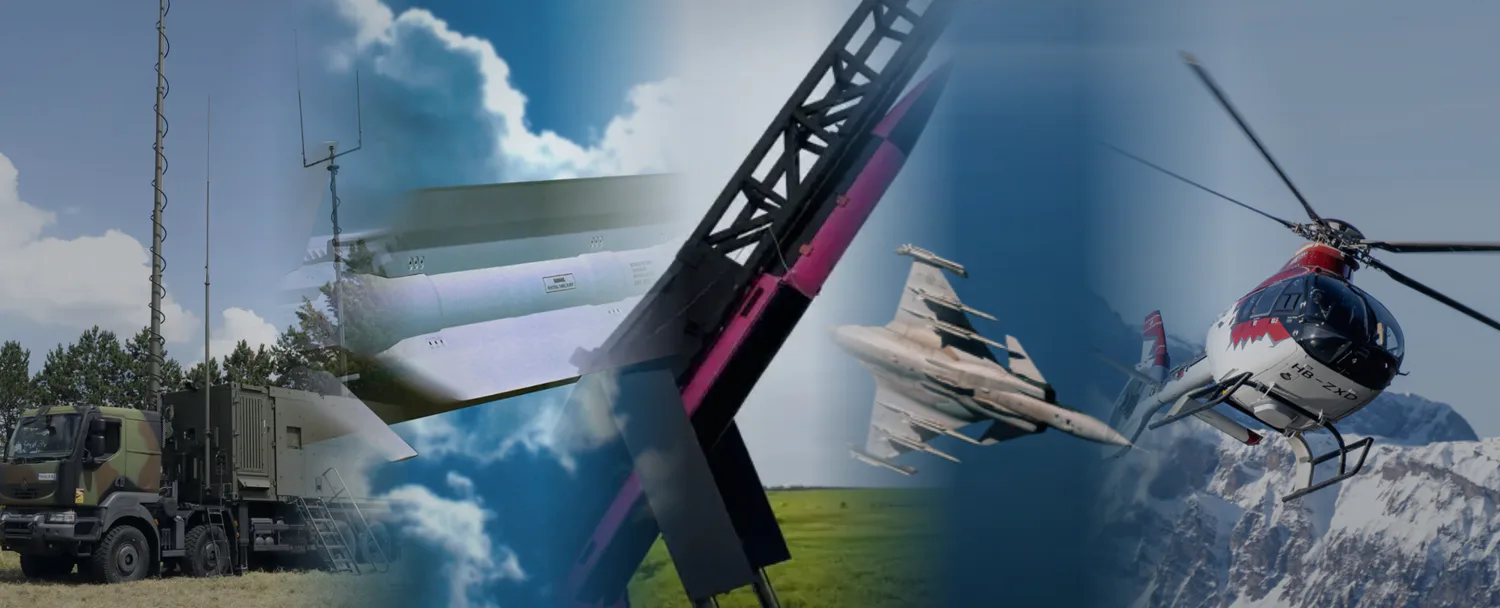
The radar circuit of the system covers several platforms: the Swedish Saab Giraffe 8A/4A (the same manufacturer that makes avionics for the Gripen fighter), the French Thales Ground Master 400, the German HENSOLDT TRML-4D, the Danish Weibel GFTR-2100/48 and the Italian Leonardo KRONOS Land. Fire control is provided by the Norwegian Kongsberg Fire Direction Centre — an open combat system that consolidates data from all sensors.
Communication between components uses the Link 16 protocol, NATO's standard for real-time data exchange. After Ukraine signed an agreement on the CRC System Interface with NATO in May 2025, any allied air defense network on Link 16 can share target designation with a FREYJA battery. This, according to Defense News, transforms it from a national system into a continental one.
The French MBDA — one of Europe's largest missile manufacturers, an Airbus partner — provided assistance in developing the FP-7.x itself. Eurosam and Safran cover integration with French components of the SAMP/T system. The Swiss-British Destinus — a hypersonic aircraft startup — is responsible for specific elements of hypersonic modeling.
The figure that explains everything
The central economic logic of FREYJA is cost asymmetry. According to estimates, one FP-7.x interception will cost approximately $700,000. Patriot PAC-3 MSE, according to the latest U.S. Army budget request, costs over $5 million per missile, and typically two to three missiles are required to destroy a single ballistic target.
"The world is facing a shortage of anti-ballistic capabilities. The United States is ramping up Patriot production, Europe is ramping up SAMP/T, IRIS-T and NASAMS, but the need for protection exceeds available capacity."
President Zelenskyy, Paris, July 13
NATO's PAC-3 interceptor stockpiles, according to TechTimes, fell to approximately 25% of the Pentagon's normative level by mid-2025 — following large-scale deliveries to Ukraine and expenditures during the Middle East conflict.
Unprecedented architecture — and without guarantees
FREYJA was developed as a "system of systems": it complements rather than replaces SAMP/T, IRIS-T and NASAMS. The open architecture allows integration with any allied network on Link 16 — in theory. The practical merger of radars from seven different manufacturers into a single target designation circuit is a challenge that NATO has not solved at such a scale in accelerated development mode.
According to Wikipedia and Defense News, the first combat interception of a ballistic target is planned for late 2027. Serial production — starting at three missiles per day — could begin as early as August 2026, but only after receiving seeker heads from Diehl Defence.
Nine founding nations signed the declaration, but without fixed commitments for financing each component. If even one of the radar or command nodes falls behind schedule — the system will not have full combat capability by 2027 even with missiles in storage.
The question that will determine the fate of the project: whether Diehl Defence and HENSOLDT will sign firm production contracts by the end of 2026 — or FREYJA will remain a statement of intent with twelve logos on a slide.