The European Union's attempts to strike a deal with the United States to lift high tariffs on steel and aluminum have opened the door to an old Washington demand: loosen digital regulation and we'll lift the tariffs. Politico reports.
Talks in Brussels
Brussels voiced concern about the expanded list of products subject to the high steel and aluminum tariffs at meetings on Monday. The talks involved EU Trade Commissioner Maroš Šefčovič, EU trade ministers, and on the American side — Commerce Secretary Howard Lutnik and Trade Representative Jameson Greer.
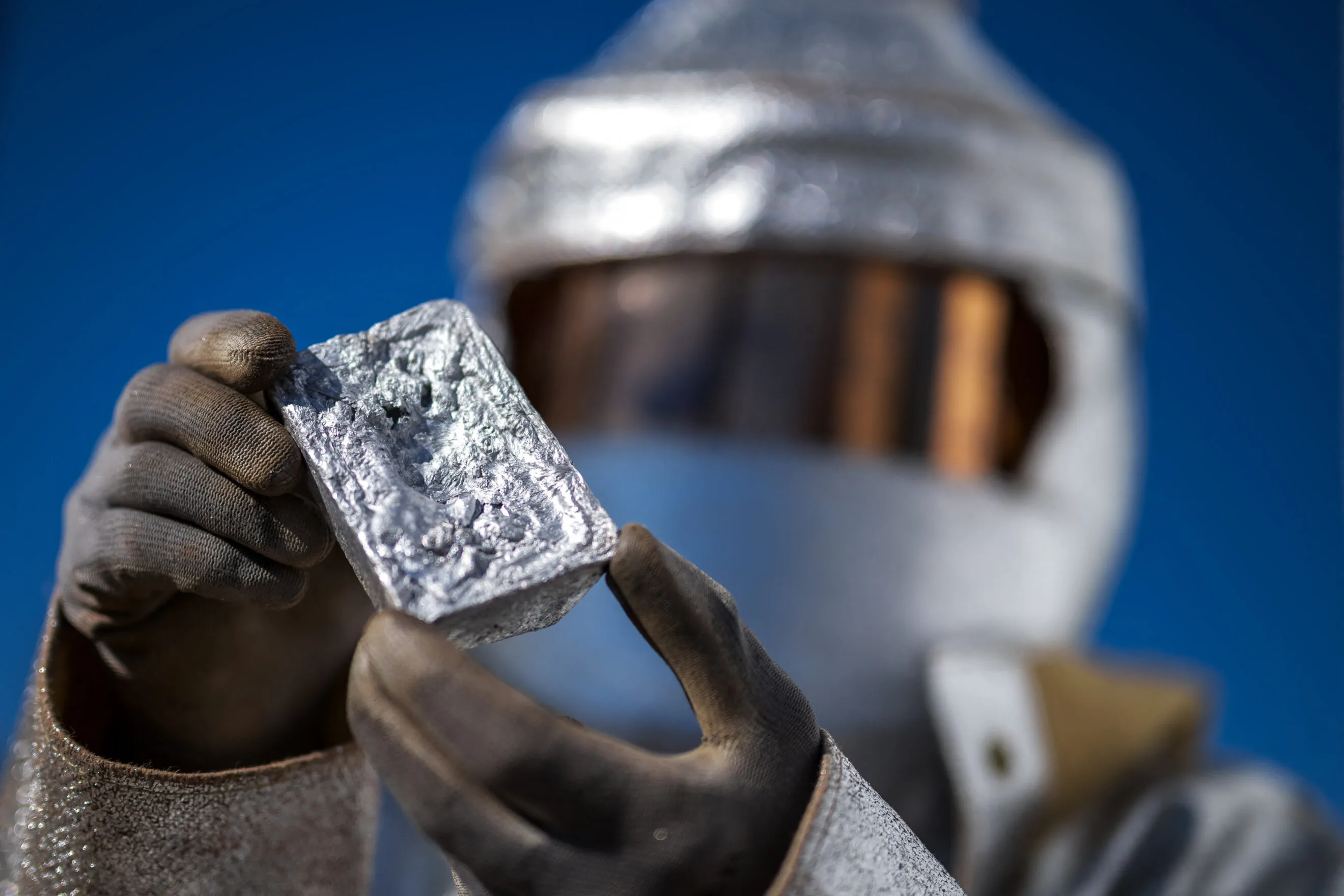
The U.S. Department of Commerce in August imposed a 50% tariff on more than 400 products containing steel and aluminum. The European Union considers the list so broad that it contradicts the spirit of the framework trade agreement struck in July.
U.S. demands on digital rules
After Europeans raised the issue of the steel tariff, Lutnik urged the EU "to analyze its digital rules, trying to find balance — not to abandon them, but to find a balanced approach that will work with us."
"If they can find that balanced approach, and I think they can, then we'll resolve the steel and aluminum issue with them and move forward together"
– he added.
Lutnik's comments signal a shift from the previous U.S. stance, which had threatened retaliation over the bloc's digital laws and advocated for light-touch regulation of artificial intelligence.
Lutnik framed easing digital rules as "an opportunity" for the EU, offering American investment in exchange, mainly through data centers for artificial intelligence.
"If the European Union can find a way to have a balanced set of digital rules, I think the European Union could see $1 trillion of investment"
– he said.
Brussels' response
In response, Šefčovič reaffirmed the bloc's commitment to regulatory autonomy and the belief that the rules are not discriminatory contrary to Washington's claims.
The European side explained how the legislation works, stressing that it is not discriminatory and is not aimed at American companies. According to Šefčovič, it simply needs more explanation on that point.
An European Commission official was more blunt: steel and digital technologies are entirely unrelated. Steel has always been part of negotiations with the U.S. and was formalized in a joint statement. Sovereign digital legislation is not up for discussion.
Streamlining digital regulation
EU digital rules are a serious concern for the Donald Trump administration. The European Commission is already moving to simplify tech rules through a digital omnibus presented last week.
EU Technology Commissioner Henna Virkkunen discussed the issue with Lutnik and Greer at an earlier meeting that day.
The omnibus made significant changes to the GDPR data protection regime and proposed suspending the implementation of a key part of the EU Artificial Intelligence Act — a controversial move backed by American tech giants and lobbying groups.
European lawmakers and civil society groups have voiced concern in recent weeks that the Commission's attempts to simplify digital regulation are intended to appease Washington. The Commission strongly denies this.
Lawmakers will discuss the digital simplification package with the Commission on Tuesday. Last week the Commission also launched a process to review all of its tech rules, which could lead to further simplification efforts.
Steel negotiations
Earlier, Washington's decision to expand the list of steel products subject to the 50% tariff provoked outrage in Brussels. Some European lawmakers argue that the EU should refrain from lowering its own tariffs on steel until the matter is resolved.
Trying to mend relations with the White House, the European side on Monday pushed the idea that Brussels and Washington should jointly confront a common adversary — China — rather than focus on their differences.
Danish Foreign Minister Lars Løkke Rasmussen said the two sides discussed "some of the challenges we face together," such as "excess capacity" and "China's role in the global economy."
Asked about working together on excess capacity, Lutnik said such issues "are easy to work through together, and they don't take much time in conversations, because when everyone agrees immediately, it's not very difficult."
However, behind closed doors the U.S. emphasized to European colleagues that cooperation on China does not mean they will simply give the EU a break on tariffs on steel and aluminum.
Deal context
The trade deal that President Donald Trump and European Commission President Ursula von der Leyen struck at Trump's Turnberry golf resort in Scotland sets a base tariff of 15% on most EU imports to the U.S. In return, the EU committed to reducing most of its own tariffs to zero.
At the time, the EU and U.S. pledged to work together to reduce tariffs on steel and aluminum but left the details vague.
Šefčovič said a team from Brussels will visit Washington in the coming weeks to resolve these issues.