Money loves silence, but these figures are worth knowing
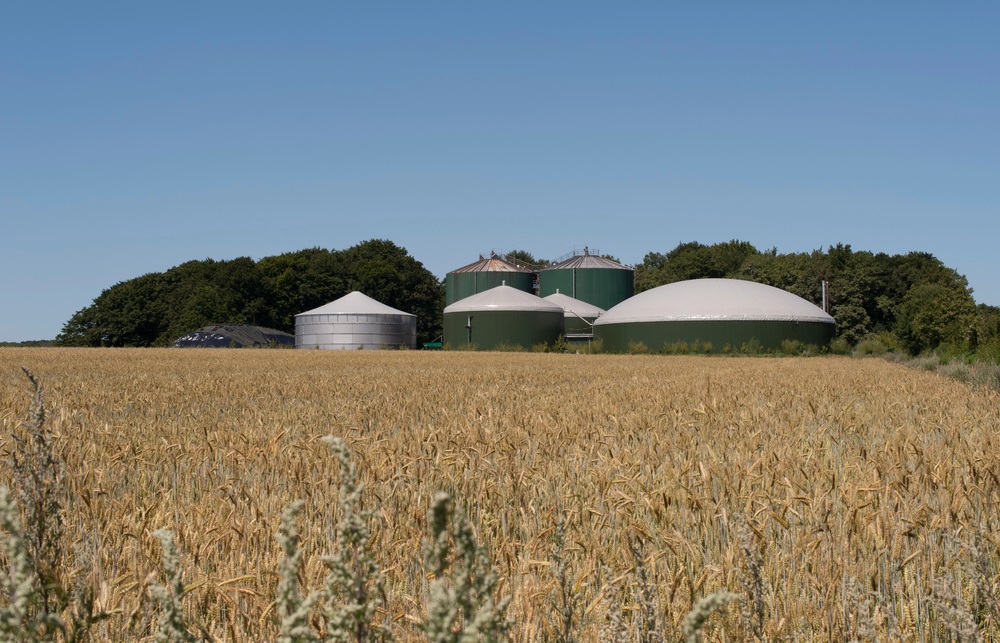
In March, Ukraine's sixth biomethane production plant began operating. The producer is Teofipol Energy Company (Khmelnytskyi region), Heorhii Heletukha, chairman of the board of the Bioenergy Association of Ukraine, said in an interview with Espresso.
What this delivers here and now
The plant will produce about 56 million cubic meters of biomethane per year — the largest project in the sector directly connected to the gas transmission system. According to Heorhii Heletukha, there are currently six biomethane producers in Ukraine with a combined capacity of approximately 106 million cubic meters per year. Another plant is expected in 2026.
To date, there are six biomethane producers in Ukraine. Their total capacity is 106 million cubic meters per year
— Heorhii Heletukha, chairman of the board of the Bioenergy Association of Ukraine
How the infrastructure works
Four of these six plants feed biomethane into pipelines: three into gas distribution networks and one into the high-pressure gas transmission system. The other two produce bio-LNG — cooled gas transported in cryogenic tanks. All Ukrainian production is certified under the ISCC EU system, recognized by the European Commission, opening the way to the European market.
Context and perspective: why this matters
The initiative is no accident. In 2024, Ukraine adopted a law on the export of biomethane, and private players have already tested supplies to Europe: in February 2025 Vitagro made the first test delivery to Germany, and in 2025 Ukrainian companies exported more than 11.2 million cubic meters of gaseous biomethane.
The Bioenergy Association estimates that to replace part of imports (about 20 billion cubic meters per year) would require around 4,000 biomethane plants and investments of approximately 40 billion euros. It's ambitious but technically realistic: biomethane can be produced at many agricultural enterprises that have bio-waste. Expected benefits — a reduction of emissions by about 50 million tonnes of CO2 per year and the creation of around 250,000 jobs.
What this means for the reader
This launch is not just statistics. It's a signal: Ukraine's agro-energy infrastructure is learning to turn waste into energy that can stay in the country or be sold to the EU with the appropriate certification. For the economy it's new jobs and foreign currency earnings; for security — another step toward diversification of energy supply; for the climate — a real reduction in emissions.
What's next
Now it is important that declarations and laws turn into long-term investments and supply networks. If the state and businesses continue policies of certification, connection to the gas transmission system (GTS), and support for agricultural initiatives, biomethane could become a sustainable element of Ukraine's energy policy and its exports to the EU.







