What happened
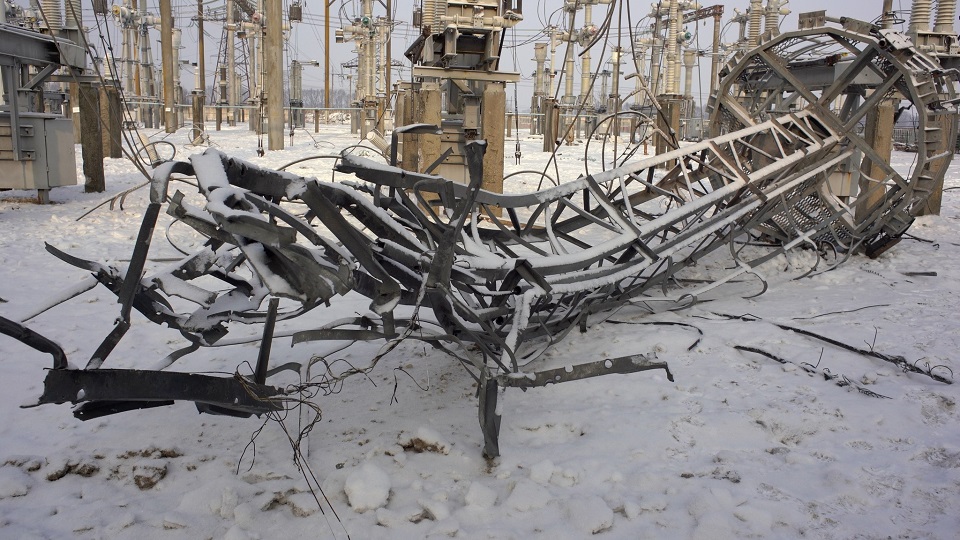
Slovenia has joined the Fund to Support Ukraine's Energy Sector with a contribution of €500,000. According to the Ministry of Energy, this makes Slovenia the 37th donor to the fund — the money is directed to restoring energy infrastructure after attacks and preparing for the upcoming winter period.
"This contribution will support our ongoing efforts to restore Ukraine's energy sector after Russian attacks, and will also help prepare for the next winter period."
— Denys Shmyhal, Prime Minister of Ukraine (quote from the Ministry of Energy)
Where the money goes
According to the Ministry of Energy, total contributions to the Fund are approaching €1.85 billion. Since the fund's launch in spring 2022, more than 1,000 contracts have been signed for the supply of equipment with a total value of about €850 million. To date, Ukrainian energy companies have received equipment, services and passive protection measures worth more than €618 million.
Contract signings have been especially intensive since mid-November 2025 — totaling more than €582 million. Tenders for procurement and oversight of fund spending are carried out by the fund manager — the European Energy Community (Energy Community).
Who else is helping and why it matters
Germany remains the largest donor: as of 18 December 2025 Germany's contributions reached nearly €390 million. On 25 December, Germany made the largest single contribution in the fund’s operation — €160.11 million from the Foreign Ministry and an additional €3 million through KfW.
Certain deliveries are critical for capacity restoration: in December 2025 Lithuania handed over a complete set of equipment for a thermal power plant to Ukraine through the EU civil protection mechanism, and Japan delivered three 200‑ton autotransformers to Ukrenergo worth about $20 million.
"Collective assistance is not charity, but an element of our shared energy security."
— experts of the Energy Community (organization's statement)
What’s next
Half a million from Slovenia does not solve all problems, but it is part of a consistent support model: regular contributions, targeted contracts and rapid installation of equipment provide a real increase in grid resilience. It is not one-off tranches but their systematic nature and speed of deployment that matter.
The key now is to turn financial commitments into rapid installation and protection of critical infrastructure. Without that, even large contributions will not deliver the expected effect on power security this winter. Whether this pool of donors will be sufficient for full readiness depends on the pace of implementation and logistics.